Kuwait and the United States: A Strategic Relationship from Oil to Investment and Sustainable Development
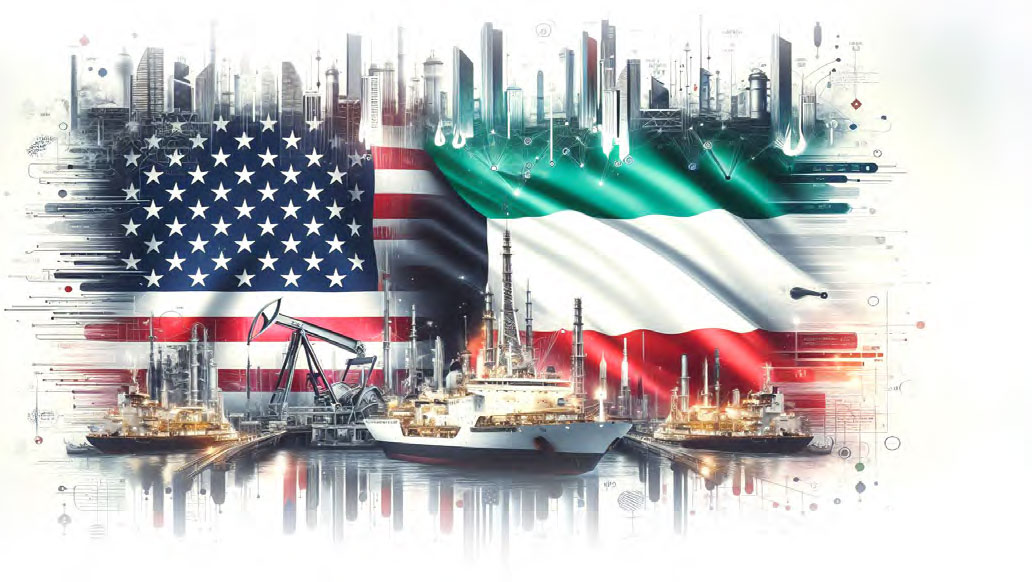
Over seven decades, Kuwait and the United States have built a deep strategic relationship transcending traditional producer-consumer partnership, evolving into a multidimensional model encompassing security, economics, investment, and cooperation in sustainable development and technological innovation. In a world witnessing rapid geopolitical and economic transformations, this relationship stands at a critical juncture: How can it evolve to meet twenty-firstcentury demands? From Energy to Comprehensive Partnership Since Kuwait began exporting oil in 1946, a special relationship formed based on energy and mutual dependence: the United States needed stable supplies to fuel its expanding post-war economy, while Kuwait found a strategic partner for building a modern oil sector and developing infrastructure. As Kuwait’s OPEC membership solidified and its role in production and pricing policies grew, it transformed from a supplier dependent on foreign concessions to an influential global energy actor. The 1970s shocks redrew the relationship. The 1973 embargo following the October War, then the 1979 Iranian Revolution crisis, pushed the United States toward new energy policy based on diversification, efficiency, and alternatives. With breakthroughs in horizontal drilling and hydraulic fracturing, shale production rose in subsequent decades, reducing direct Middle East dependence, though the Gulf remained fundamental to global market stability. 1991: A Strategic Turning Point 1991 marked a decisive turning point when the United States led the international coalition liberating Kuwait from Iraqi invasion. This was not merely military but an affirmation of American commitment to Gulf Arab security and stability, laying solid foundation for long-term strategic partnership extending to today. Since then, security and defense cooperation has deepened. Kuwait hosts important American military bases and is a key partner in regional counter-terrorism efforts and ensuring navigation freedom in vital maritime corridors. Sovereign Wealth: From Surpluses to Investment Partnership Gulf countries—led by Kuwait—channeled oil surpluses into long-term international assets. Kuwait pioneered this path in 1953 through a sovereign arm accumulating extensive expertise. Despite losses during Iraqi invasion, portfolios were rebuilt through prudent management until becoming among the world’s largest. The Kuwait Investment Authority, managing one of the world’s largest sovereign funds (approximately one trillion dollars), maintains massive American investments estimated at hundreds of billions, distributed across technology, real estate, infrastructure, and financial services. These investments reflect Kuwait’s confidence in the American economy and represent strategy for income diversification and long-term returns for future generations. Conversely, Kuwait witnesses increasing American investment flows, particularly in technology, financial services, healthcare, and consulting. The equation shifted from “oil for goods and technology” to broader network encompassing investment, asset governance, and market integration, while supply security and price stability remain core shared interests. Investment and Institutional Partnership: Toward a Shared Future Today, investment and institutional partnership has moved to the relationship’s forefront, with increasing focus on financial, technical, and regulatory channels supporting economic diversification, maximizing capital returns, and establishing compliance with international standards. In this context comes the initiative to hold “Kuwait—Beacon of a New Era” on October 14 at George Washington University, with high-level Kuwaiti and American financial, economic, and political participation, jointly organized by the Kuwait Banking Association and N-Square Capital, partnering with the U.S. Chamber of Commerce (strategic partner) and Bentley University (academic partner). The session addresses specific themes convertible into joint programs: • Financial Infrastructure as Platform: Banking sector resilience (cybersecurity/business continuity plans), cross-border and instant payments, and next-generation Islamic finance (embedded products, tokenized sukuk, digital customer onboarding). • Capital Efficiency and Global Integration: Joint investment mandates, auditable ESG standards, and practical regulatory reforms to reduce capital costs and expand fintech scope. • Private Sector Leadership and Strategic Growth: Family offices as long-term capital sources, blended finance to reduce pioneering project risks, and publicprivate partnership plans through transparent channels and performance-based contracts. This approach shifts the relationship from oil import dependence to deeper exchange in investment, knowledge, and regulation: the United States as institutional financial and technical partner, Kuwait as long-term investor and emerging regional hub in Islamic finance, financial infrastructure, and fintech. These three themes provide practical pathways maximizing mutual benefit: strengthening banking resilience, improving capital efficiency and standards alignment, and empowering the private sector through innovative financing and sustainable partnerships. A Renewed Partnership for a New Era The Kuwait-U.S. relationship embodies how strategic partnerships evolve with changing times. From oil to investment, security to sustainable development, this relationship has adapted and renewed while maintaining its foundation of shared interests and mutual respect. The future holds greater potential. In a world transforming toward green economy, digital economy, and technological innovation, Kuwait and the United States possess all ingredients for twenty-first-century partnership—extending beyond goods and services to knowledge, technology, and shared values building a more sustainable and prosperous future for coming generations. Ultimately, this relationship’s strength is measured not only by trade volumes or investments but by creating real mutual growth opportunities and contributing to regional stability and prosperity. This is the solid foundation for enduring strategic partnership serving both peoples and the entire region.
H.E the Governor of the CBK Kuwait banking system is strong and well-capitalized, with liquidity and governance to support growth
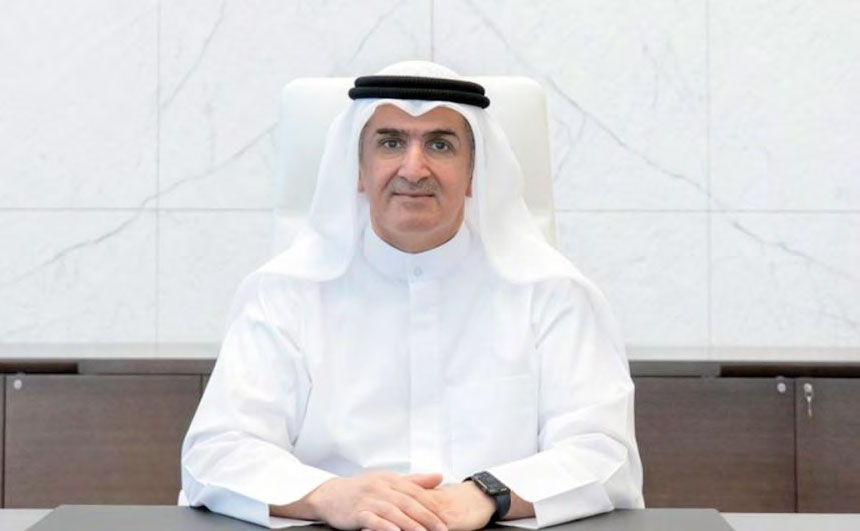
In an insightful interview, H.E. Basel Ahmad Al-Haroon, Governor of the Central Bank of Kuwait (CBK), shares Kuwait’s approach to navigating a dynamic global landscape—covering global trends, monetary policy, financial stability, sustainable finance, and digital transformation. He highlights a strong, well-regulated banking sector with solid indicators, positioned to finance national development priorities, and notes Kuwait’s resilience amid uncertainty. The discussion sets out CBK’s prudent, balanced monetary stance—using tools such as the discount rate to preserve the dinar’s competitiveness while supporting sustainable growth.
On sustainability, CBK’s agenda aligns with New Kuwait 2035, integrating ESG and climate action. On innovation, initiatives including the Wolooj Innovation Hub and the recent AI conference reflect a forward-looking strategy to adopt emerging technologies with security and stability at the core. Collectively, the Governor’s responses reaffirm Kuwait’s proactive posture: fostering collaboration and building a resilient, innovative, and sustainable financial ecosystem.
Global and Regional Economic Outlook
How do you view current developments in the global economy, and what does it mean for Kuwait’s economy? The global economy continues to operate under a climate of elevated uncertainty. Trade and rising geopolitical fragmentation have weighed on growth prospects and increased volatility in markets. Regionally, expectations for 2025–2026 point to a gradual recovery, underpinned by the normalization of oil production, and progress on structural reforms. The GCC economies, in particular, are strengthening their performance by expanding non-oil sectors and pursuing diversification strategies, supported by strong public investment and reform momentum. For Kuwait, the outlook is broadly balanced and tilted toward the positive. After a period of belowtrend growth linked to OPEC+ production cuts, our economy is projected to expand by 2.6% in 2025. Non-oil activity will also remain resilient, supported by structural reforms, and strong private demand. Of course, global risks remain, such as weaker trade, fluctuating oil prices, and uncertain monetary policy paths in advanced economies. However, Kuwait is well-positioned to weather these uncertainties, as it is supported by solid macroeconomic fundamentals, large fiscal buffers, a resilient banking sector, and a robust regulatory framework. Monetary Policy & Financial Stability • Given the latest global developments and heightened uncertainty, how does the Central Bank of Kuwait adjust its monetary policy tools in response to international interest rate trends and regional economic dynamics while safeguarding domestic stability? In navigating this complex environment, the Central Bank of Kuwait has reaffirmed its role as a cornerstone of stability. CBK has pursued a balanced and prudent monetary policy, guided by continuous monitoring of global and domestic indicators. Unlike many of its regional peers, and thanks to its peg to an undisclosed basket of currencies, the CBK did not replicate the accelerated pace of interest rate hikes witnessed in other countries. Instead, it opted for a gradual, well-calibrated approach designed to preserve monetary and financial stability, safeguard the competitiveness of the Kuwaiti dinar as a reliable store of domestic savings, and support conditions conducive to sustainable growth.
To achieve its objectives, the Central Bank of Kuwait relies on multiple monetary policy tools— including the discount rate, liquidity requirements, and open market operations. Among these, the discount rate remains the primary instrument, shaping lending and deposit rates and supporting the competitiveness of the Kuwaiti dinar as a preferred means of domestic savings. It is worth highlighting that the Central Bank of Kuwait has received considerable recognition during the period of restrictive monetary policy. The IMF commended Kuwait’s exchange rate regime, noting that the current system which pegs the KD to an undisclosed basket of currencies continues to provide an appropriate framework for monetary policy.
• Despite global challenges, Kuwait’s banks are consistently ranked among the strongest in the region. What are your priorities for maintaining this resilience and safeguarding the sector against potential financial shocks, and what is your outlook for the sector?
 The Central Bank of Kuwait has strengthened its supervisory and macroprudential oversight. Its framework is anchored in a forward-looking process that integrates continuous monitoring of global and domestic developments with careful assessment of their potential transmission to the Kuwaiti financial system. This is complemented by in-depth analysis of sectoral strengths and vulnerabilities, which provides the basis for activating macro prudential instruments when required. By embedding these elements into a cohesive cycle, CBK ensures that emerging risks are addressed proactively, while at the same time preserving the conditions necessary for sustainable and balanced financial intermediation.
With that said, the Kuwaiti banking sector has continued to deliver strong results, underscoring its pivotal role in the economy. By mid-2025, total assets stood at KWD 97.3 billion, up from KWD 91.7 billion at the end of 2024—an annual increase of 6.1%. Credit to the private sector (resident & nonresident) reached KWD 59.8 billion in Q2 2025, reflecting a year-onyear rise of 7.2% (compared to Q2 2024). Household and real estate lending continue to account for a little over half of credit portfolios, consistent with historical patterns. The financial soundness indicators further confirm the sector’s resilience:
• Capital Adequacy Ratio: 18.3% (well above the 13% regulatory minimum).
• Non-performing loan ratio: 1.6%, supported by high provisioning coverage at 242%.
• Net Stable Funding Ratio (NSFR): 113.3%, comfortably above requirements. Beyond its current performance, the banking sector is expected to play an expanding role in financing Kuwait’s development priorities. With strong capital buffers and a stable operating environment, banks are well positioned to support major projects in infrastructure, housing, and energy. Such financing will be structured through diversified instruments and prudent risk management, ensuring alignment with stability objectives while advancing longterm economic growth. Sustainability & Green Finance
• ESG and climate finance are becoming priorities for central banks worldwide. How is the CBK encouraging sustainable finance in Kuwait?
In line with the growing global interest in sustainable finance, and in fulfillment of the vision of His Highness the Amir Sheikh Meshaal Al-Ahmad Al-Jaber Al- Sabah, which focuses on achieving sustainable development, as well as the goals of “New Kuwait 2035” vision, CBK has been proactive in promoting sustainable development and implementing sustainable finance in the banking sector. On November 17, 2022, CBK issued a circular to local banks outlining guidelines for sustainable finance, covering three sustainability factors: environmental, social, and governance (ESG). Key elements include: encouraging banks to develop products that comply with green finance principles; implementing sustainability principles across all bank operations; publishing annual sustainability reports; and integrating ESG into their risk management, capital allocation, as well as their lending and investment decisions. CBK has also emphasized that climaterelated financial risks fall within the environmental dimension ESG standards, requiring banks to refer to the Principles for Effective Management and Oversight of Climate-Related Financial Risks which was issued by the Basel Committee in June 2022. When it comes to climate-related risks, Kuwait plays an evolving yet crucial role, especially considering its position as a major oil producer. Kuwait has shown consistent commitment to the global climate agenda, having ratified the United Nations Framework Convention on Climate Change in 1995, the Kyoto Protocol in 2005, and the Paris Agreement in 2015. Kuwait actively participates in international climate summits, regularly reaffirms its commitment to international climate resolutions, and has pledged to achieve carbon neutrality by 2060. Kuwait’s national development plan, “New Kuwait 2035” vision, places climate action at the center of its strategic direction. The government is also fostering regional and international partnerships, and has launched multiple national initiatives that integrate climate considerations into economic and policy planning, including promoting green investment across various sectors, with a growing role for the private sector in supporting and implementing these initiatives.
Digital Transformation & Innovation
• Several fintech providers have recently been licensed in Kuwait. How do you see them reshaping the country’s financial ecosystem?
Fintech is reshaping financial systems worldwide, and Kuwait is no exception. The licensing of several fintech providers marks an important step in modernizing our financial ecosystem, bringing in more efficient and cost-effective services. While some view fintech as a competitive challenge to traditional banks, we see it as an opportunity to build a more diverse, resilient, and forward-looking sector. The future will not only be competitive, but also collaborative, with traditional institutions and fintech companies working together to combine their strengths. This collaboration will help create a more innovative, sustainable, and digitally driven financial system that meets the needs of Kuwait’s dynamic economy, while also fostering financial inclusion.
• With rapid advances in digital finance and emerging technologies, how is the Central Bank of Kuwait fostering an environment that balances innovation with security andstability?
Innovation in the financial sector cannot be left to chance; it needs a trusted and well-supervised environment. At CBK, we launched the “Wolooj” Innovation Hub in 2023 in line with our vision to promote innovation. Wolooj, which means “access” in Arabic, plays a key role in driving the innovation cycle, transforming ideas into tangible solutions through resource sharing, experimentation, and cross-disciplinary collaboration. It provides a controlled environment to test new technologies and develop advanced solutions in different financial areas. This reflects our commitment to building local capability and preparing Kuwait’s financial ecosystem for the future through encouraging innovation while ensuring that financial stability and systemic security remain intact.
• Would you highlight one of the early achievements from this innovation environment, and how it strengthens Kuwait’s financial sector?
One of the first outcomes is a pioneering technology for generating cryptographic keys, developed under Wolooj. This achievement is significant because it enhances the security backbone of Kuwait’s financial system, supports secure digital transactions, and reduces reliance on external providers for critical infrastructure. It is not just about safeguarding today’s systems, it lays the foundation for future innovations such as instant payments, open banking, and advanced digital services, while also strengthening Kuwait’s digital sovereignty. Another significant achievement worth highlighting is the Initiative Accelerator Program managed by Wolooj, which is a dynamic initiative aimed at supporting aspiring Kuwaiti individuals with innovative ideas that benefit the banking and financial sector in Kuwait. The program is designed to foster creativity, innovation and entrepreneurship within the local ecosystem by providing willing participants with the necessary support, resources and mentorship needed to turn their ideas into successful ventures.
• CBK recently hosted an Artificial Intelligence (AI) conference entitled “Central Banks in the Age of Artificial Intelligence.” Why was this theme chosen?
The title reflects the landscape that central banks are operating in where uncertainty is a defining characteristic in the banking sector, and shocks have been increasingly interconnected. This growing interconnectedness has shortened the time between the start of economic disruptions and their impact on monetary policy decisions, creating an increasing demand for analytical agility and readiness to respond in the face of evolving developments. Against this backdrop of reality, Artificial Intelligence stands out as both a transformative opportunity and a source of risk. The theme was chosen to highlight this dual challenge: central banks must safeguard stability, while also harnessing the adoption of AI to strengthen analysis, supervision, and sound decision-making. The conference included participation from local and regional banks, as well as from international institutions, where we were able to discuss issues that have an effect on all of us.
• Could you walk us through the two sessions of the conference and explain why and how they were connected?
The conference had two panel discussion sessions which were designed to build upon each other. The first session set the stage by outlining the challenges and pitfalls, while the second session questioned whether AI can be part of the solution and how. The first session was titled “Shaping Resilient Systems in a Fragmented World”, and it provided the broad context of the topic at hand through highlighting that we live in an era of continuous uncertainty and fragmentation, and where resilience is not optional but rather essential. This session also emphasized in detail about the global shifts that are reshaping financial systems, such as: rising public debt, uneven global growth, heightened geopolitical tensions, trade fragmentation, and the rapid advances of technology such as crypto assets and artificial intelligence. While central banks in the GCC have strong fiscal positions and resilient banking sectors, they remain exposed to oil price swings, dollar shifts, and global financial risks, and so delaying reforms only raises costs and undermines confidence. The second session titled “AI Adoption in Central Banks – Practical Uses and Governance”, explored how artificial intelligence may support central banks in this environment by processing vast data, modelling complex dynamics, and improving forecasting. The session also tackled the need for proper governance, and management of concentration and cyber risks. While AI offers real benefits in supervision, stress testing, and forecasting, it also introduces systemic risks such as herding behavior, concentration of services among a few providers, exposure to misinformation, and an increase to cyberattack exposure. It remains clear that AI must be guided by robust governance frameworks, investment in skills, and a flexible but disciplined regulatory approach.
• The conference brought together leading experts and regulators. How did their perspectives shape the discussions?
We deliberately sought a mix of voices from policy leaders, technology experts to practitioners. Some of the distinguished panelists include a former Governor of a prominent European central bank, a Vice Governor and Professor from the region, as well as executives from the Financial Stability Board (FSB), the International Monetary Fund (IMF) and the Bank for International Settlements (BIS). Regulators and central bankers stressed the urgency of timely Basel III implementation, stronger buffers, and clear communication to maintain credibility. Technology experts showed both the potential and the limits of AI with the risks associated with adoption, emphasizing that it should enhance, not replace, human judgment. Regional perspectives added important nuance, noting strong fundamentals but also vulnerabilities tied to oil prices and global financial conditions. This diversity ensured that discussions were not just theoretical, but practical and rooted in real-world experience.
• Looking ahead, what message should participants take from this conference?
In today’s world of economic pressures, geopolitical fragmentation, and rapid technological disruption, central banks cannot afford to be complacent. The question should not be whether to engage with AI, but how to do so responsibly by incorporating these novel risks into existing frameworks. Resilience in this environment depends on proactive surveillance, transparent communication, and strong regional and international cooperation. No central bank can address these issues alone, and only by working together, learning from one another, and adhering to international standards can we ensure that AI strengthens, rather than undermines, financial stability.
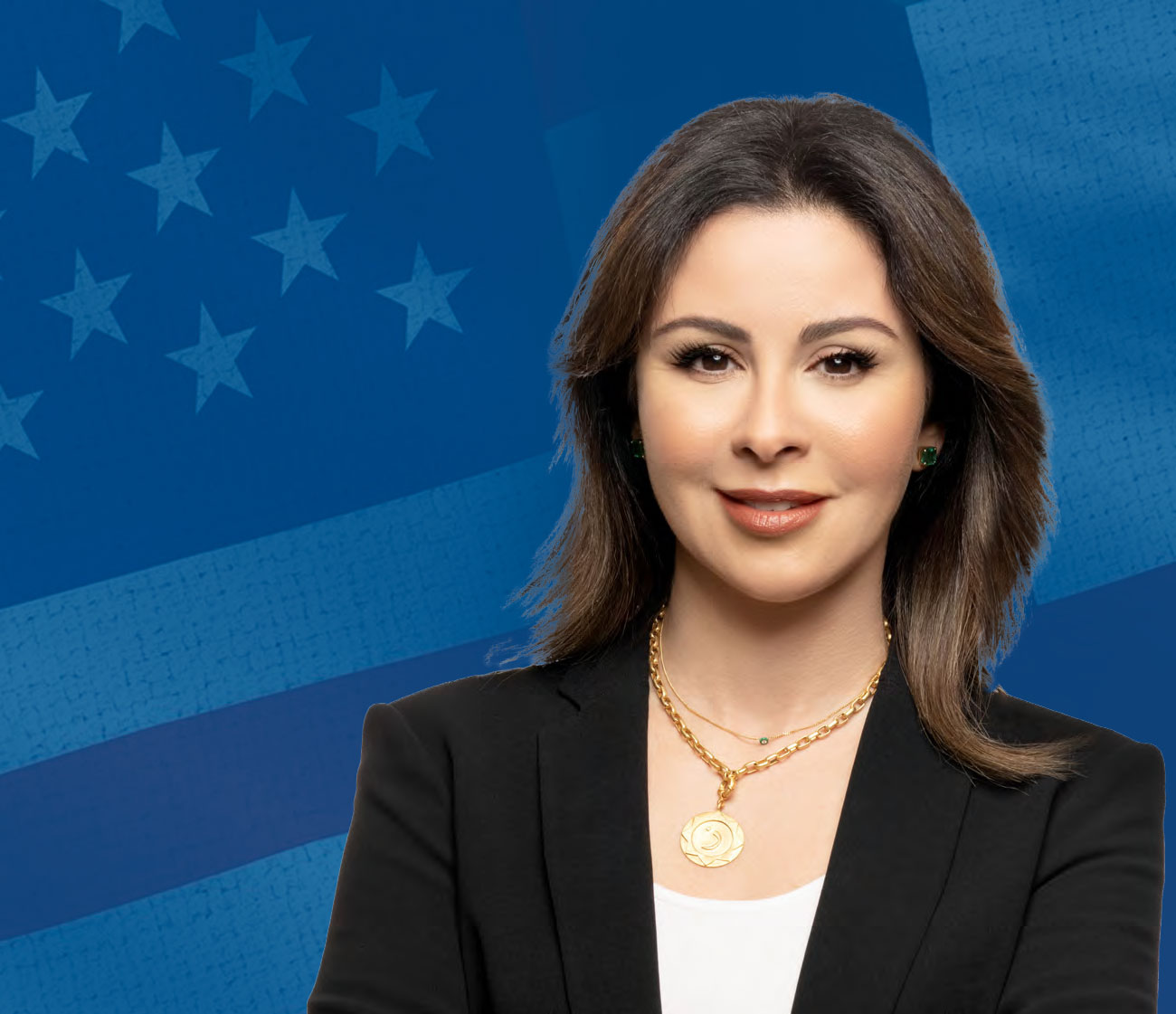
Ambassador of Kuwait to the USA Sheikha Al-Zain Al-Sabah: The next decade is about reintroducing Kuwait to the world
• How do you see the evolution of Kuwait–U.S. relations in today’s changing global climate?
The Kuwait-U.S. relationship is one of the most enduring and resilient partnerships in the region. It is rooted in shared sacrifices, particularly during the liberation of Kuwait, and it has evolved into a multifaceted alliance. In today’s rapidly
shifting global climate, marked by economic uncertainties, energy transitions, and geopolitical realignments, this partnership is moving beyond defense and security into areas such as education, renewable energy, digital transformation, and healthcare. What excites me most is that it is becoming a people-to- people partnership, where our students, entrepreneurs, and innovators increasingly form robust bridges of cooperation. And ultimately, those human ties are the most enduring. They create empathy, understanding, and trust that no policy or treaty alone can guarantee. That is what gives this partnership its real strength.
• What does economic diplomacy mean for Kuwait today?
For Kuwait, economic diplomacy is not simply about financial returns; it is about advancing peace, stability, and shared prosperity. Kuwait has a long tradition of using its resources for development, whether through the Kuwait Fund for
Arab Economic Development or its global investments. Today, economic diplomacy means aligning investments with sustainability, climate goals, and human development. It’s about using financial tools to open doors for dialogue, to stabilize regions in conflict, and to anchor Kuwait as a trusted, long-term partner in the global economy.
• What message does Kuwait bring to international financial gatherings like the IMF and World Bank meetings?
Whether it is through its participation in the IMF and World Bank meetings this week, or in its larger positioning within
the global financial landscape, Kuwait personifies the fact that small nations can serve as anchors of stability. We bring a unique dual identity: as a resource-rich country but also as a humanitarian donor and development partner. Our message is that Kuwait’s story is one of responsibility, responsibility to manage our wealth prudently for future generations, to support countries in need, and to contribute to the global system in a constructive way. By doing so, we strengthen our position not just as an energy exporter, but as a responsible international stakeholder that prioritizes multilateral cooperation and value-based partnerships above all else.
• Why is Kuwait expanding its investments across different U.S. states, beyond traditional hubs?
This engagement reflects both strategy and, again, value-based participation. Strategically, it diversifies our economic partnerships within the United States, ensuring we are not confined to traditional financial hubs and modules. But more importantly, it reflects our belief that investment should serve people. By reaching underserved states, we create jobs, build infrastructure, and empower communities that are often overlooked. It’s a way of demonstrating that Kuwait’s friendship with the U.S. extends beyond Washington or New York, it reaches into the heartland. This builds goodwill and strengthens the long-term fabric of our bilateral relationship.
• How does the Embassy facilitate Kuwait’s economic engagement with the U.S.?
The Embassy plays a convening role, bringing Kuwait’s sovereign wealth fund, private investors, and financial institutions into conversation with U.S. policymakers and stakeholders. We ensure that Kuwait’s financial footprint is not only profitable but also strategic. For example, when Kuwait invests in infrastructure, renewable energy, or housing in the U.S., those choices reflect broader policy objectives of sustainability and partnership. The Embassy also serves as an advocate for Kuwait’s financial actors, ensuring their voice is heard in Washington and that their investments align with the values of transparency and trust.
• How would you describe Kuwait’s approach to diplomacy?
Kuwait has always practiced diplomacy with humility, humanity, and dialogue at its core. Unlike some actors who emphasize power projection, Kuwait emphasizes mediation, humanitarianism, and consensus-building. Our vibrant public debates reflect a political culture that values listening and inclusivity. These same qualities guide our foreign policy. This is why Kuwait has often been trusted as a mediator, whether in regional disputes or humanitarian crises. It is a diplomacy rooted not in hard power, but in moral authority, collective consciousness, and trust.
• Looking ahead, what role do you see Kuwait playing on the global stage?
I believe Kuwait’s future role will be defined by soft power, particularly in education, innovation, culture, creativity, and youth leadership. Kuwait has the potential to become a platform for dialogue between East and West, North and South. By investing in education, supporting cultural diplomacy, and empowering our youth, we will shape narratives that go beyond oil. The next decade is about reintroducing Kuwait to the world: not just as an energy provider, but as a hub of creativity, a source of humanitarian leadership, and a connector of cultures.
• What are the challenges and opportunities for Kuwait’s global image?
One of the challenges is ensuring that Kuwait is seen not only through the lens of energy or security, but also through innovation, entrepreneurship, and culture. At the same time, this is our opportunity to broaden the agenda. Whether it is humanitarian aid, climate adaptation, space cooperation, digital transformation, or healthcare, Kuwait has so much to offer. Personally, I am excited about expanding partnerships in education and innovation, areas where young Kuwaitis can directly connect with American peers and co-create solutions for the future.
• What advice would you give to young Kuwaitis aspiring to serve their country?
Representing your country is both a privilege and a responsibility. My advice to young Kuwaitis is: be authentic, be curious, and be courageous. To serve, you must be willing to listen deeply, to understand perspectives different from your own, and to carry Kuwait’s values with integrity. Equip yourself with knowledge, sharpen your communication, and never underestimate the power of humility. And remember that the most effective diplomats are not the loudest voices in the room. True strength in diplomacy lies in knowing when to speak, when to listen, and how to build trust through empathy and sincerity. The world respects authenticity and humility, and these are the values that will make you not just a representative of Kuwait, but an ambassador of its spirit.
• What do international partners value most about Kuwait?
International partners often tell me that what distinguishes Kuwait is our reliability, our transparency, and our sincerity. We honor our commitments, and we see relationships as long-term trusts, not short-term transactions. Partners also value our humanitarianism, the fact that Kuwait consistently steps forward in times of crisis, not for publicity, but out of principle. And finally, in a world often dominated by rhetoric, Kuwait brings authenticity, warmth, and genuine friendship to the table. It also doesn’t hurt that the leadership and people of Kuwait open their homes, hearts, and minds to all those they work with, and yes, they’ll tell you, we often serve the best food too! Those simple gestures of hospitality are not to be underestimated; they are what turn agreements into friendships, and partnerships into enduring bonds.
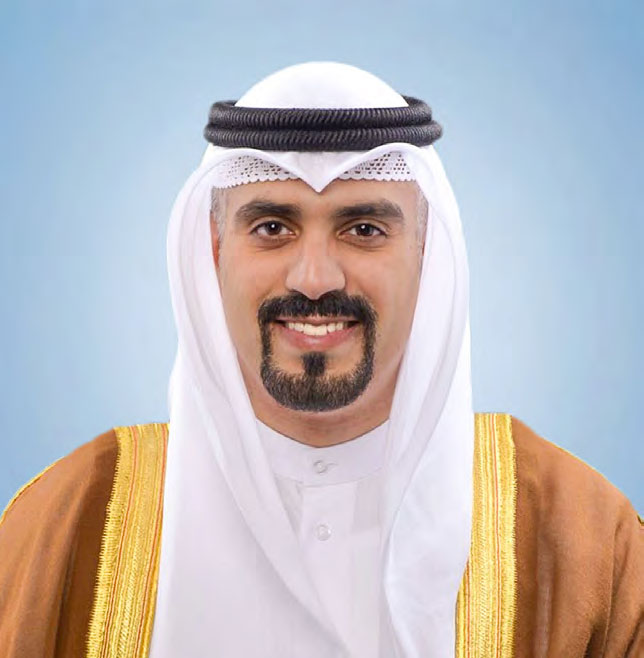
Sheikh Dr. Meshaal Jaber Al-Ahmad Al-Sabah KDIPA’s Strategy to Drive Diversification and High-Value FDI
How would you articulate KDIPA’s strategy for strengthening Kuwait’s investment climate and attracting foreign direct investment?
KDIPA’s strategy has been rooted in creating a globally competitive, investor-friendly environment conducive to attracting impact investment. This was made plausible through coordinating national efforts with competent government entities to streamline business measures adopting the best-in-class international practices, in alignment with the National Vision 2035 and its developmental objectives. We have resorted to an integrated strategic approach that encompasses streamlining regulatory frameworks. Our performance based incentives—such as 100% foreign ownership, tax and customs exemptions, as well as land allocation—target high-impact sectors including ICT, energy, healthcare, and financial services. With over USD 6.5 billion in FDI attracted across 16 sectors, KDIPA is driving job creation, technology transfer, local supply chain development, encouragement of national exports, and positioning Kuwait as a strategic gateway for high-value investments.
What are KDIPA’s key priorities in the near term to enhance Kuwait’s competitiveness as a global investment destination?
Our immediate priority is to accelerate Kuwait’s transformation into a global investment hub by attracting long-term, high-quality FDI that fosters innovation, sustainability, and national talent development. We are advancing strategic sectors—clean energy, smart infrastructure, and digital services—through PPPs and within the upcoming Economic Zone. Internationally, KDIPA is expanding its influence via bilateral and multilateral agreements, in addition to its Vice Presidency role at WAIPA, thus reinforcing Kuwait’s position as a resilient, forwardlooking investment destination anchored in smart cities and specialized zones.
What are some of KDIPA’s most significant advancements in recent years in securing highvalue investments?
Over the past decade, KDIPA has secured over USD 6.5 billion in FDI from 34 countries, targeting 16 strategic sectors. Beyond capital inflows, our impact is measured through job creation, national workforce training, technology transfer, and local content support. Our proprietary Kuwait Economic Benefit Model (KEBM) has tracked over USD 3.5 billion in local economic contribution. We have also launched targeted campaigns for sustainable investments in the Al-Abdali Economic Zone and earned global recognition through ISO certifications and leadership roles in WAIPA, reinforcing Kuwait’s emergence as a regional value-added direct investment hub anchored in innovation, sustainability, and strong international collaboration. Kuwait continues to be open for investment and KDIPA invites global partners to join us in shaping a future anchored in innovation, sustainability, and international collaboration—where strategic investments deliver impact.
How does KDIPA contribute to Kuwait’s broader efforts to diversify its economy and reduce dependence on oil revenues?
KDIPA plays a pivotal role in diversifying Kuwait’s economy by targeting investments into nonoil sectors such as technology, healthcare, renewable energy, entertainment, healthcare and education. Through our structured evaluation system, we prioritize projects with high potential for job creation, technology transfer, local content support, and export growth. Our economic zones in Al-Abdali, Al-Wafra, and Al-Na’ayem will host transformative PPPs that attract private and foreign capital, ensuring sustainable development and reducing reliance on oil revenues in sectors—such as technology, healthcare, renewable energy, infrastructure, education, and financial services.
How is KDIPA utilizing digital tools and platforms to simplify the investment process and position Kuwait as a cutting edge destination for global investors?
KDIPA is harnessing advanced digital platforms and real-time data analytics—to simplify the investment journey. Our digitized One-Stop-Shop enables investors to apply, track, and receive approvals efficiently, enhancing transparency and reducing delays. These tools also support global outreach campaigns, spotlighting Kuwait’s opportunities in techdriven and sustainable sectors. By integrating digital innovation, KDIPA is positioning Kuwait as a future-ready investment destination aligned with Vision 2035.
Chairman, Kuwait Airways Captain Abdulmohsen Salem Al-Fagaan: Kuwait Airways Soars Toward Global Excellence with Innovation, Sustainability, and Customer- Centric Vision
What is Kuwait Airways’ strategic vision for the next five years, particularly in light of global economic and environmental changes?
Kuwait Airways is steadily progressing towards the achievement of its strategic objectives. The company aspires to secure a prominent position among competing airlines by strengthening its fleet with the latest aircraft and enhancing its capabilities to reflect the stature as Kuwait’s national carrier. Kuwait Airways will continue to prioritize safety and customer service, while focusing on revenue growth and profitability. Furthermore, Kuwait Airways plans to expand its route network to achieve better results and ultimately, gain and retain customer trust, which is a top priority for the company.
How has Kuwait Airways evolved since its founding, and what key milestones have solidified its position as a regional player?
Kuwait Airways has maintained its reputation as a distinguished national carrier in the region by delivering exceptional and innovative services that cater to the requirements and expectations of its valued customers— from seamless booking across various channels to efficient travel procedures at Terminal 4, until boarding the aircraft, to enjoy a comfortable and seamless travel experience onboard.
Kuwait Airways operates one of the most modern fleet in the industry and offers state-of-the-art services. Backed by a team of highly skilled national professionals, Kuwait Airways prides itself on meeting the highest professional and technical standards required in commercial aviation. This combination of advanced capabilities and dedicated personnel has been instrumental in the company’s continued progress.
Operating from its exclusive Terminal 4, Kuwait Airways remains a competitive force in the aviation sector, a legacy that dates back to the 1950s and highlights the company’s rich heritage and enduring significance.
How does Kuwait Airways contribute to Kuwait vision 2035 and drive economic growth, particularly through initiatives that support trade, investment, and global connectivity?
It is well recognized that the GCC countries are collectively working toward positioning the Arabian Gulf region as a premier global tourism destination, and Kuwait is an integral part of this shared vision. Realizing this ambition requires the expansion of fleets and a strategic restructuring of aircraft utilization to
align with the evolving demands of the tourism and travel market.
Achieving this also depends on the availability of an airport infrastructure capable of handling increased flight operations and aircraft movements. Tourism fundamentally depends on two essential pillars: an airline operating a modern fleet of advanced aircraft, and an airport equipped with cutting-edge technologies and smart systems to ensure a seamless travel experience.
What have been the most significant challenges for Kuwait Airways such as the pandemic or fuel price fluctuations, and how were they addressed to ensure resilience?
Challenges such as the COVID- 19 pandemic, fuel price fluctuations, and geopolitical conditions are inevitable in the aviation industry. Kuwait Airways remains well-prepared through swift and effective contingency plans that ensure the continuity of operations. The safety of passengers and aircraft remains the company’s highest priority, supported by strategies aimed at mitigating losses from unforeseen events, which include identifying alternative revenue sources and enhancing business growth.
How does Kuwait Airways balance profitability with its role as a national carrier, especially amid global economic pressures?
Kuwait Airways’ Board of Directors has established a comprehensive and well-considered plan to enhance the company’s performance in the coming period. This plan includes prioritizing customer satisfaction by offering comfort and meeting the passenger requirements, enhancing operational systems, and developing national talent.
The Board has also merged departments in a way that supports workflow efficiency and enhances productivity. In addition, it has initiated a process of workforce renewal and succession planning, which has contributed to reducing expenses, encouraging young national talent, and preparing them for leadership roles – thereby actively contributing to the improvement and development of overall performance.
We are optimistic about the upcoming phase, supported by the political leadership, and by the Kuwait Investment Authority under the guidance of its Managing Director, His Excellency Sheikh Saoud Salem Al-Sabah.
In the highly competitive regional aviation market, how is Kuwait Airways differentiating its brand and strengthening its position?
We have adopted a strategy that strongly focuses on keeping pace with the latest developments in the commercial aviation sector, whether in terms of technology, operations, or investing in human capital and training employees. This approach aligns with the level of responsibility we bear in striving to achieve the highest level of quality.
This is for several reasons, with the primary focus being on the service aspect for our valued passengers, ensuring smooth travel procedures, maintaining punctual flight departures and arrivals, responding to customer preferences by launching new destinations and introducing a variety of services that distinguish Kuwait Airways from other carriers.
On the operational side, we are committed to utilizing the latest modern technologies across the entire system, in addition to gradually implementing digital transformation across various departments within the company.
We are moving forward according to carefully developed plans established by the Board of Directors and executed by the Executive Management. Kuwait Airways has been experiencing continuous growth over the past two years, as reflected in our publicly announced quarterly results, which demonstrate unprecedented level of positivity.
These outcomes affirm the success of key improvements, such as relocating to Terminal 4 and enhancing passenger services both on the ground and onboard, and have had a clear positive impact. These recent achievements motivate Kuwait Airways to continue expanding and innovating as part of our next development phase, always guided by our company’s guiding principle: “Customer First.”
How is Kuwait Airways leveraging advanced digital technologies, such as AI and data analytics to enhance its services?
Technology today plays a vital role in enhancing the company’s services for passengers by making processes faster and more efficient, and this is exactly what Kuwait Airways is doing by continuously improving and upgrading its website and mobile application and has launched a range of services through these platforms to better meet the needs of its passengers.
In addition, technology is also being integrated into operational systems and equipment to facilitate the work of engineers and pilots within the operational framework.
Kuwait Airways is making substantial investments in this area, recognizing that technological advancement, particularly in the aviation sector, is essential for delivering innovative solutions. These tools empower employees to provide superior service, fully aligned with the highest international standards.
How does Kuwait Airways support Kuwait’s national tourism strategy, and what initiatives promote Kuwait as a tourism destination?
By actively participating in a wide range of activities, events, and initiatives such as those organized by the State, for example, the participation in the events of the Ministry of Information it launches, accordingly, Kuwait Airways supports the development and promotion of tourism and highlights the State of Kuwait regionally and globally as the national carrier of the country and as an integral part in the country’s development journey.
In addition, Kuwait Airways has signed numerous agreements and partnerships with national companies and government entities, such as with Zain, the Public Authority for Applied Education and Training, the Touristic Enterprises Company, Kuwait Oil Company, Kuwait Flour Mills Company, and others.
What are Kuwait Airways’ plans to expand its global presence, particularly through strategic partnerships or targeting emerging markets?
Kuwait Airways has established numerous partnerships with leading airlines and other agreements related to the aviation sector, reflecting its commitment to fostering mutual cooperation and strengthening global relationships with companies around the world, such as Turkish Airlines, Saudia, Thai Airways, and others through codeshare agreements.
Additionally, passengers benefit from integrated travel options through partnerships with major railway operators, including Deutsche Bahn (Germany) and Saudi Arabia Railways (SAR), further enhancing travel connectivity and convenience for customer and to ensure a seamless travel experience.
What steps is Kuwait Airways taking to enhance customer experience, whether through onboard services or loyalty programs?
Kuwait Airways has achieved many accomplishments, the most notable of which is the development and enhancement of the travel experience on board flights in terms of luxury, entertainment programs, and comfort, achieving high
percentages in passenger and aircraft traffic at Terminal T4, and reaching the highest levels of quality in customer service.
Moreover, Kuwait Airways has revised and reduced ticket prices to make them more accessible to everyone and competitive within the aviation market. Kuwait Airways also regularly launches special offers and discounts for travel on Kuwait Airways, promoting them across all shopping malls and various advertising platforms.
Furthermore, by maintaining an advanced level of punctuality of departure and arrival timings during the summer season.
This is in addition to Kuwait Airways achieving the 20th position globally and 5th position in the Arab world according to the ranking of the best-performing airlines worldwide, published by ‘AirHelp’ for the year 2024.
Kuwait Airways is now striving to enhance and develop a modern, advanced fleet in the coming years. The current Board of Directors, with strong support from the political leadership, has managed to achieve many accomplishments and successes.
What measures is Kuwait Airways implementing to align with global sustainability goals, such as reducing carbon emissions or adopting eco-friendly technologies?
Kuwait Airways’ new Airbus fleet is designed with a strong focus on environmental sustainability, incorporating advanced technology to significantly reduce carbon emissions. These aircraft are classified as environmentally friendly and reflect the airline’s commitment to operating responsibly.
Kuwait Airways consistently aligns with the latest international aviation standards, actively supporting global efforts to minimize carbon emissions and adopt sustainable, eco-conscious technologies across its operations.
With an Increase of 4.3% KD 882.2 Million Net Profits of Kuwaiti Banks in H1 2025
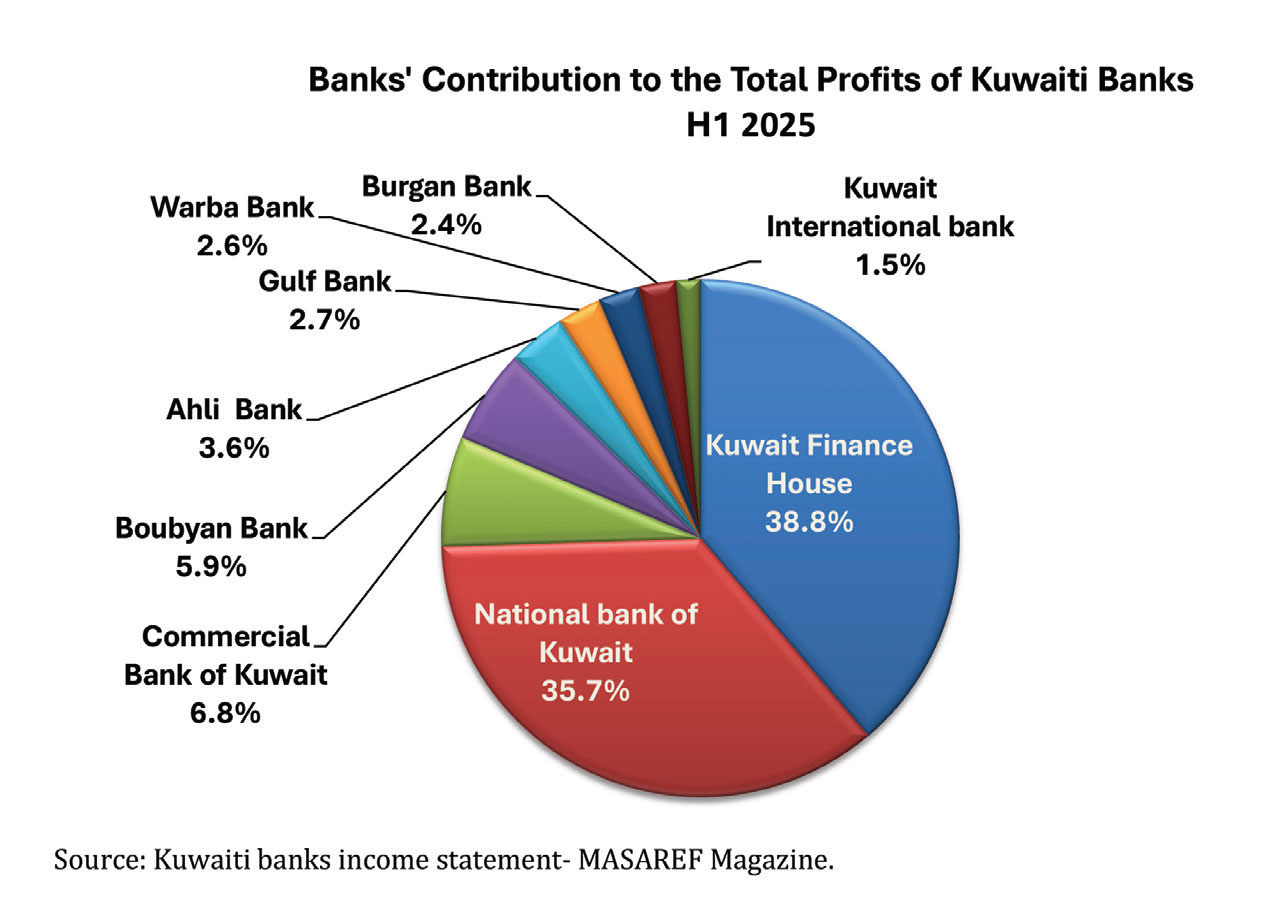
The nine Kuwaiti banks recorded a 4.3% increase in their net profits during the first half of 2025, amounting to KD 36.4 million, rising from approximately KD 845.8 million in the first half of 2024 to about KD 882.2 million. Figures indicate that 6 banks achieved profit growth, while 3 banks reported a decline in profits compared to the same period last year.
4.3% Increase in Conventional Banks’ Profits
The first half of 2025 witnessed better performance among the conventional banks group compared to the first half of 2024, with a 4.3% increase in net profits, rising by KD 18.6 million to reach KD 452.2 million compared to KD 433.6 million in the first half of 2024. This improvement is mainly due to the remarkable increase achieved by the National Bank of Kuwait. The contribution of conventional banks to the total profits of Kuwaiti banks was approximately 51.3% in the first half of 2025 (with the National Bank’s profits constituting 35.7% of the total profits of all banks).
4.3% Increase in Profits of Islamic Banks
In the first half of 2025, the Islamic Banks Group maintained its share of Kuwaiti banks’ total profits at approximately 48.7% (with KFH’s profits constituting 38.8% of the total profits of all banks). The group’s net profit increased by about KD 17.8 million and by 4.3%, reaching KD 430.0 million compared to KD 412.2 million in the first half of 2024. This was mainly due to Warba Bank’s increase (which accounted for 74% of the total increase achieved by the Islamic Banks Group).
KFH and NBK Together Accounted for 74.5% of the Sector’s Total Net Profit
KFH’s profits made up 38.8% of the total profits of all banks in the first half of 2025, compared to 40.3% during the corresponding half last year. NBK’s profits represented 35.7% of the total profits of all banks in the first half of 2025, compared to 34.6% during the corresponding period last year. The Commercial Bank of Kuwait came in third place with 6.8%, followed by Boubyan Bank with 5.9%, Al Ahli Bank with 3.6%, Gulf Bank with 2.7%, Warba Bank with 2.6%, Burgan Bank with 2.4%, and Kuwait International Bank with 1.5%.
KFH Records Highest Profits Among Kuwaiti Banks
Kuwait Finance House (KFH): Achieving the highest net profit among banks, it recorded approximately KD 342.2 million during the first half of 2025 compared to KD 341.2 million in the first half of 2024, with a growth of KD 0.9 million or by 0.3%.
National Bank of Kuwait (NBK):
Reaching KD 315.3 million net profit during the first half of 2025 (topping the list of conventional banks) compared to KD 292.4 million in the first half of 2024, with a growth of KD 22.8 million or by 7.8%.
Commercial Bank of Kuwait:
Recording KD 60.4 million net profit, with a decrease of KD 2.3 million or by -3.7%, compared to approximately KD 62.7 million in the first half of 2024.
Boubyan Bank:
Achieving approximately KD 52.3 million net profit during the first half of 2025, with a growth of KD 2.7 million or by 5.4% compared to KD 49.6 million in the first half of 2024.
Al Ahli Bank of Kuwait:
Recording KD 31.7 million net profit during the first half of 2025, with a growth of KD 2.7 million or by 9.3% compared to KD 29.0 million in the first half of 2024.
Gulf Bank:
Reaching KD 24.0 million net profit during the first half of 2025, with a decrease of KD 4.2 million or by -14.9% compared to KD 28.2 million in the first half of 2024.
Warba Bank:
Recording KD 22.5 million net profit during the first half of 2025, with an increase of KD 13.2 million or by 141.3% compared to KD 9.3 million in the first half of 2024.
Burgan Bank:
Recording KD 20.8 million net profit during the first half of 2025, with a decrease of KD 0.4 million or by -1.9% compared to approximately KD 21.2 million in the first half of 2024.
Kuwait International Bank:
Reaching KD 13.1 million net profit during the first half of 2025, with a growth of KD 1.0 million or by 8.7% compared to KD 12.0 million in the first half of 2024.
Reflecting a Year-on-Year Growth of 7.8% NBK Reports KD 315.3 Million in Net Profit for 1H2025
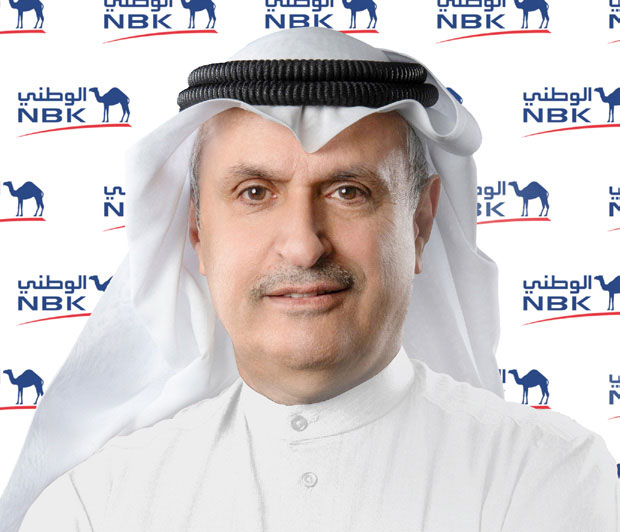
National Bank of Kuwait (NBK) has announced its financial results for the six-month period ended 30 June 2025, reporting a net profit of KD 315.3 million (USD 1.0 billion), compared to KD 292.4 million (USD 957.8 million) for the corresponding period in 2024, marking a year-on-year increase of 7.8%. Profit before tax reached KD 401.5 million (USD 1.3 billion) during the period, marking a 17.0% increase compared to KD 343.1 million (USD 1.1 billion) in the corresponding period of 2024.
As of the end of June 2025, total assets rose by 15.9% year-on-year to KD 43.6 billion (USD 143.0 billion), while total loans and advances grew by 12.1% year-on-year, reaching KD25.5 billion (USD 83.5 billion).
Customer deposits grew by 9.5% on an annual basis, reaching KD 23.9 billion (USD 78.2 billion) by the end of June 2025. Meanwhile, shareholders’ equity reached KD 4.2 billion (USD 13.9 billion), reflecting a growth of 10.3% year-on-year.
The Board of Directors has opted to retain interim earnings till year-end, focusing on end of year final dividend distribution. The decision reflects the Board’s commitment to strengthening the Group’s balance sheet in seizing promising growth opportunities across its operating markets, particularly in light of the anticipated pickup in business activity in Kuwait, while maintaining flexibility in managing interim capital adequacy ratio.
A Robust Strategy
Commenting on the Bank’s 1H2025 financial results, Mr. Hamad Al- Bahar, NBK Group Chairman stated, “NBK’s strong performance reflects its ability to navigate varying economic conditions, even amid heightened geopolitical challenges and global trade tensions stemming from recent U.S. tariffs. The Bank’s solid operational results underscore the strength of its well-established strategy, anchored in a diversified business model and prudent risk management.”
Al-Bahar emphasized that NBK’s strong balance sheet, solid capital base, and high asset quality reinforces the Bank’s ability to deliver sustainable profitability and optimal returns for shareholders and customers, while continuing to support the prosperity of the communities in which it operates.
Al-Bahar noted that the Bank achieved several milestones across various areas during the first half of the year, most notably its selection as Kuwait’s Main Settlement Bank. He emphasized that this recognition reflects years of continuous investment in enhancing the Bank’s digital infrastructure, which qualified NBK to meet the technical and operational requirements set by Kuwait Clearing Company (KCC); securing the highest ratings among participants in the Central Counterparty Project (CCP).
Reflecting its long-standing commitment to sustainability, Al- Bahar noted that NBK has continued to make significant strides toward a more sustainable future. He pointed to recent upgrades in the Bank’s ESG ratings by leading global agencies, including Morningstar Sustainalytics and MSCI, as clear recognition of NBK’s dedication to environmental stewardship, social responsibility, and sound governance practices. This was reinforced by the publication of the first allocation and impact report for its debut USD 500 green bond issued in
June 2024, which is the first issuance of its kind in Kuwait. The report provides relevant information that highlights the allocation of proceeds from the green bond as of 31 March 2025 and the estimated environmental impact during the reporting period.
Sustainable Growth
Meanwhile, Mr. Isam J. Al-Sager, NBK Group Vice Chairman and CEO, said: “Once again, NBK continues to affirm the resilience of its business model and its agility in navigating a shifting operating environment, consistently delivering profit growth across economic cycles. This performance underscores the strength of the Group’s geographic diversification
strategy and the effectiveness of its long-term approach to driving sustainable growth.”
He noted that the Bank delivered solid operating performance across its core business segments during the first half of 2025, with the Group’s net operating income rising by 3.1% year-on-year to reach KD 631.4 million (USD 2.1 billion).
Al-Sager highlighted the strong contribution of the International Banking Group (IBG), as well as Boubyan Bank — the Islamic banking arm of NBK— to the Group’s net operating income and profitability during 1H2025. In addition, NBK Wealth continues to strengthen its position as the leading wealth management firm in Kuwait and among the largest in the region; offering a comprehensive suite of private banking, wealth and investment management solutions and advisory services through an integrated global network.
During the first half of 2025, NBK continued to deliver an enriched banking experience, underpinned by innovative solutions tailored to meet evolving customer needs. The Bank further reinforced its digital leadership by introducing a suite of carefully designed digital services and products aligned with customer expectations.
He added that NBK remains committed to investing in technology and innovation as a core driver of growth, underscoring the Bank’s focus on strengthening its competitive edge in the domestic market and expanding its presence across international markets.
Regarding NBK’s recent USD 800 million PNC6 Additional Tier 1 bond issuance, Al-Sager emphasized that strong investor demand afforded the Bank a notable pricing advantage. He noted that the order book peaked at USD 2.2 billion, with subscriptions exceeding 2.75x the issue size; driven by solid interest from a diverse base of global investors and financial institutions.
The Operational Environment
Commenting on the local operating environment, Al-Sager expressed cautious optimism regarding the outlook for project activity in the second half of the year and beyond. He pointed to the government’s announcement of 141 projects under the 2025/2026 annual development plan, including large-scale ventures such as Mubarak Al-Kabeer Seaport, the expansion of the T2 passenger terminal at Kuwait International Airport, and the New Al-Sabah Hospital, as key drivers of anticipated momentum.
Furthermore, he emphasized that the adoption of further economic legislative reforms would serve as a catalyst for accelerated economic growth, commending the government’s commitment to enacting key legislation in the near term, including the anticipated approval of the mortgage law. He also underscored the importance of empowering the private sector to take a leading role in economic activity under Kuwait Vision 2035, noting that such measures are vital to enhancing the local business climate and supporting the growth of the national economy going forward.
Prestigious Awards
During the first half of 2025, NBK garnered several prestigious accolades that reaffirm its leadership both locally and regionally. These included being named Best Bank in Kuwait – 2025, as well as receiving awards for Best Retail Bank and Best Bank for SMEs in Kuwait by MEED International Magazine.
Euromoney magazine also honored the Bank with multiple accolades in 2025, naming NBK Kuwait’s Best Bank for ESG, Kuwait’s Best Bank for Large Corporates, and Kuwait’s Best Bank for Diversity and Inclusion.
Moreover, NBK has also garnered multiple accolades across the MENA region, including Best Loan Offering-2025, Best Contactless Payment Experience, and Payment Solution for SMEs, awarded by MEED Magazine.
Al-Tijari Declares Net Profit of KD 60.4 Million for the 1st half 2025
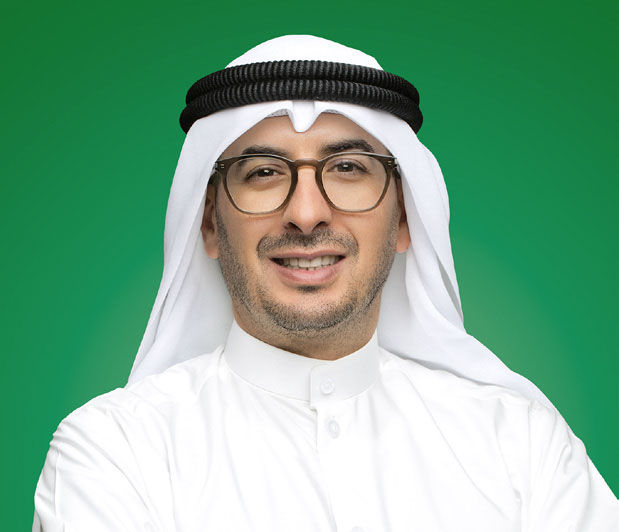
Interim Cash Dividend 12 fils per Share
Commercial Bank of Kuwait announced a net profit of KD 60.4 million for the half year ended end 30 June 2025 compared to KD 62.7 million for the same period last year. Earnings per share for the current period is 30.6 fils (June 2024: 31.8 fils).
Operational Performance:
Sheikh Ahmad Duaij Al Sabah, the Bank’s Chairman, presented the Bank’s results for the first half of 2025 with a Net Profit of KD 60.4 million, reflecting a year-on-year decline of KD 2.3 million (3.7%) due to lower net recovery against previously written off loans . Operational profit before provisions reflects a stable year-on-year performance amidst the prevailing economic uncertainties and lower interest rates. The operational performance was aided by 1.9% growth in loans and 3.7% increase in fee income, partly offset by lower foreign exchange income. Loans and advances grew by KD 51.5 million compared to HY 2024.
Regulatory Ratios:
Regulatory ratios remained strong and continue to be well above the Central Bank’s statutory requirements. Capital Adequacy Ratio is at 18.0%, Liquidity Coverage Ratio 232.6%, Net Stable Funding Ratio 104.5% and Leverage ratio 10.6%.
Performance Ratios:
Sheikh Ahmad emphasised that Al-Tijari continues to report stable performance ratios considering the global economic challenges. Net interest margin for HY 2025 at 2.64%, Return on Equity 16.4% and Return on Assets 2.8% reflect the efficient management and strong operational performance. Cost to income ratio 34.1% remains to be one of the lowest amongst Kuwaiti banks.
Business updates:
Sheikh Ahmad added that Al-Tijari continues to make swift strides in its digitalization journey, enhancing its digital platforms and launching innovative customer services. These advancements reflect the Bank’s commitment to provide seamless and user-friendly banking experiences.
The notable business engagements during the first half of 2025 are:
- The Bank offered sponsorship and participation in Kuwait New Strategic Economic Conference 2025 organized by Kuwait Direct Investment Promotion Authority. The conference aims to support national economic diversity, promote investment in strategic sectors and empower financial markets.
- The Bank expanded its self-service network by installing new machines at several strategic locations across Kuwait. Thisinitiative aligns with Bank’s commitment to enhance customer experience by providing easy access to essential banking services close to their homes.
- Facility to withdraw various foreign currencies from the Smart teller machine was introduced at the Airport branch and some other branches.
Diligent Efforts for Raising Customer Awareness:
In an effort to connect with a wider audience and promote its offerings, Al-Tijari organized outreach events at various office and commercial complexes. These events served as a platform to introduce customers to the Bank’s range of products and services, educating customers that maintaining the confidentiality of their banking and financial information is of paramount significance, while also fostering greater financial literacy among diverse segments of society.
Additionally, the Bank actively leveraged its electronic channels to raise awareness about cybersecurity. Through targeted communication messages and diverse activities, it educated customers on the importance of safeguarding their banking information and staying vigilant against potential fraud as part of the flagship campaign “Let’s Be Aware”. That Campaign aims to promote financial awareness across a wider segment of society and enhance awareness regarding the role of the banking sector and means to benefit the most from the services provided by banks. The Campaign educates customers on the different types of fraud and electronic crimes and scams, which target customers via email, SMS messages, smart phone applications, phone calls or other applications.
Sustainability and Social Responsibility:
The key initiatives taken during the period were:
- In collaboration with a leading international risk management consultancy firm, the Bank successfully concluded the “Future of Sustainability: ESG Insights” seminar. The focus was on the importance of ESG sustainability principles within the business strategy of companies and their role in sustainable transformation and long term value enhancement of the companies.
- The Bank organized a beach cleanup campaign in Sharq area, in partnership with Kuwait Dive Team and Al-Tijari volunteer team. The aim was to remove waste from shorelines to reduce marine pollution. The campaign reflects Bank’s ongoing commitment to environment preservation and sustainable practices, while encouraging active public participation in environmental protection.
- Al-Tijari continues to show a strong commitment to society by providing comprehensive support and care for social events organized by civil society institutions. These events and initiatives collectively aim to serve all segments of the society and underscore the Bank’s distinct footprint in the field of social responsibility.
Thank You Note
Sheikh Ahmad concluded by extending his sincere gratitude and appreciation to all the regulatory authorities, especially the Central Bank of Kuwait for their continuous support to the banking industry and to Bank’s shareholders, management, employees and customers for choosing Al-Tijari as their banking services provider hoping that Al-Tijari will remain as always “Customers’ Bank of Choice”.
For the first half of 2025: Gulf Bank records KD 24 million in Net Profit and Operating Income of KD 91.8 million

Gulf Bank announced its financial results for the first half ending 30 June 2025. The Bank reported a net profit of KD 24.0
million, a decline of KD 4.2 million or 14.8% compared to 2024 first half net profit of KD 28.2 million.
In addition, Gulf Bank recorded an operating income of KD 91.8 million for the first half of 2025, representing a decline of 5.3% compared to the same period of last year. Moreover, operating profit before provisions and impairments was KD 44.9 million, representing a decline of 14.7% compared to the first half of 2024.
As for the second quarter ending 30 June 2025, Gulf Bank reported a net profit of KD 14.7 million and an operating income of KD 47.8 million, both representing a slight decline of 4.3% and 1.7% respectively, when compared to the same period of the prior year. However, when compared to the first quarter of 2025, net income has increased from a reported KD 9.4 million in the first quarter to KD 14.7 million for the second quarter, a significant improvement of KD 5.3 million or 57.0%. Similarly, operating income increased by KD 3.8 million or 8.7% in the second quarter when compared to the first quarter of 2025.
Financial Performance
The decline in net profit for the first half of 2025 is attributed to the decline in net interest income of KD 4.9 million or 6.3%, coupled with an increase in operating expenses of KD 2.6 million or 5.8%, compared to the same period of 2024. However, these declines were partially offset by an improvement in total provisions, which declined by KD 3.4 million or 14.7% year-on-year, reaching KD 19.6 million in the first half of 2025.
As for asset quality, the non-performing loans (NPL) ratio was 1.4% as of 30 June 2025, compared to the prior year level of 1.2%. Additionally, the Bank continues to have significant non-performing loans coverage ratio of 317% including total provisions and collaterals.
Total credit provisions as of 30 June 2025 reached KD 275 million whereas IFRS 9 accounting requirements (i.e., ECL or expected credit losses) were KD 180 million. As a result, the Bank has a healthy excess provision level of KD 96 million, above and beyond what is required by the IFRS 9 accounting requirements.
Compared to 31 December 2024, total assets declined by 2.4% to KD 7.3 billion, whereas net loans and advances increased by 3.8% to KD 5.7 billion. On the other hand, total deposits stood at KD 5.4 billion and total Shareholders’ equity reached KD 825 million.
The Bank’s regulatory Tier 1 ratio of 14.6% was 2.6% above the regulatory minimum of 12% and the Capital Adequacy Ratio (CAR) of 16.8% was 2.8% above the regulatory minimum of 14%.
Strategic Clarity
Commenting on the financial results for the first half of 2025, Gulf Bank Chairman Mr. Ahmad Mohammad Al-Bahar stated: “Gulf Bank’s performance during the first half of 2025 demonstrates resilience and clarity in the face of a complex operating environment. Rising geopolitical tensions and oil price fluctuations have added volatility to regional markets and shifted fiscal priorities. Despite these headwinds, Gulf Bank has maintained its solid fundamentals and strategic direction, enabling us to remain adaptive and forward-looking.
He continued: “One of the most significant initiatives under consideration is the potential conversion of Gulf Bank into a fully Sharia-compliant institution. This transformation aligns with our long-term vision and would allow us to expand our reach, diversify our offerings, and better serve the evolving needs of our clients. Moreover, we have signed a Memorandum of Understanding with Warba Bank stating the basis of cooperation in
assessing the proposed merger between both banks independently ensuring the best interest of all the Bank’s shareholders in line with regulatory controls.”
Mr. Al-Bahar concluded: “We look ahead to the second half of the year with confidence in our strategic direction and the strength of our team. On behalf of the Board of Directors, I extend my appreciation to our shareholders, employees, and customers for their continued trust and support. We also thank the Central Bank of Kuwait and regulatory authorities for their guidance. Gulf Bank remains committed to delivering high-quality banking services and supporting Kuwait’s financial future.”
Operational Discipline
Gulf Bank Acting Chief Executive Officer, Mr. Waleed Khaled Mandani, stated: “Despite persistent pressure on margins across the sector, our second quarter results reflect strong execution and a prudent approach to managing our operations. We continued to maintain a balanced approach between credit expansion and asset quality, ensuring the resilience and integrity of our loan book. Our low non-performing loan ratio and high coverage levels underscore the effectiveness of our risk management framework and our ongoing commitment to financial stability.”
He added: “We are also advancing our internal readiness for a potential Islamic Sharia-compliant conversion subject to being granted with the necessary regulatory and shareholders’ approvals. The essential systems, governance frameworks, and talent are being explored for a smooth transition. At the same time, we continue to deliver practical banking solutions and maintain the agility needed to respond effectively to changing market conditions.”
Mr. Mandani further noted: “Recent government debt issuances, estimated at KD 600 million locally and another potential USD 6 billion internationally are expected to support government spending on capital development projects across vital sectors including infrastructure, housing, and logistics, thus accelerating economic activity and enabling faster participation by banks in financing national initiatives. Moreover, such instruments could provide banks with added flexibility in managing their balance sheets and capturing emerging financing opportunities. We remain opportunistic in utilizing these tools to support our growth plans.”
Credit Ratings and Recognitions
Gulf Bank’s financial strength and operational resilience were affirmed by leading credit rating agencies. Fitch Ratings assigned a Long-Term Issuer Default Rating (IDR) of ‘A’ with a Stable Outlook, while Moody’s rated long-term deposits at ‘A3’ with a Positive Outlook. Capital Intelligence affirmed a Long-Term Foreign Currency rating of ‘A+’ with a Stable Outlook, further highlighting the Bank’s stability and sound risk management practices.
Reinforcing its position as a digital leader in the region, Gulf Bank has been awarded the “Best Mobile Banking Application and Experience” by MEED business intelligence platform during the Middle East and North Africa Banking Excellence Awards ceremony. This prestigious recognition highlights Gulf Bank’s ongoing commitment to delivering an advanced, exceptional digital banking experience to meet customer expectations and enhance ease of access to banking services.
Responsible Banking
During the second quarter of 2025, Gulf Bank advanced its ESG agenda through impactful environmental and social initiatives aligned with its 2030 Sustainability Strategy. A key milestone during the quarter was the official launch of the Bank’s Sustainable Finance Framework and internal Sustainability Risk Management Policy, aimed at integrating ESG considerations into lending decisions, operations, and risk oversight. In parallel, the Bank remained active across various community initiatives, with an emphasis on youth development, financial literacy, and education. These programs reflect Gulf Bank’s ongoing commitment to supporting inclusive growth, empowering the next generation, and contributing to Kuwait’s broader sustainable development goals.
Al Ahli Bank of Kuwait Announces H1 2025 Financial Results: 9% Increase in Net Profit to KD 31.73 Million
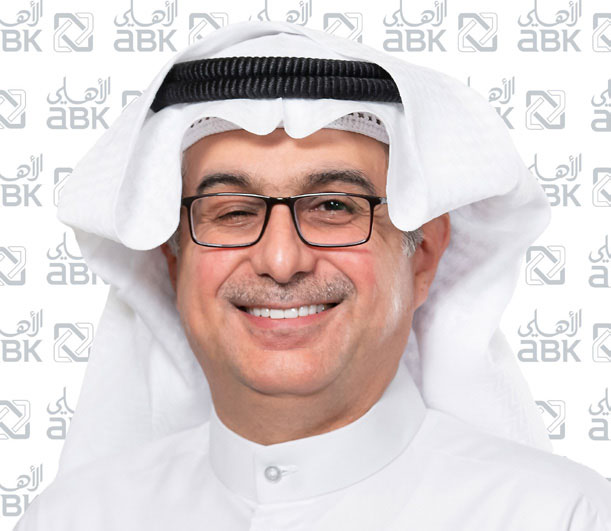
Al Ahli Bank of Kuwait (ABK) proudly announced its robust financial results for H1 2025, once again affirming its position as a leading financial institution.
Financial Performance
ABK Group recorded a net profit attribute to shareholders of KD 31.73 million, up 9% year-on-year. Earnings per share stood at 11 fils, and operating profit increased by 18% to KD 62.94 million.
Operating income increased year-on-year by 8% to KD 108.83 million. Total assets grew year-on-year by 8% to KD 7.19 billion, loans and advances grew by 5% to KD 4.72 billion, while customer deposits rose 9% to KD 4.32 billion, affirming the Group’s reputation as a trusted financial partner.
The non-performing loan (NPL) ratio stood at 1.35%, covered by provisions at 447%. The Capital Adequacy Ratio (CAR) was 16.96%, and shareholders’ equity rose by 4.6% to KD 635.38 million, further underscoring ABK’s financial stability.
On this occasion, Mr. Talal Mohammad Reza Behbehani, Chairman of ABK, stated that the Group’s results for the first half of 2025 reflect the strength of its financial position and its success in achieving strategic objectives. He emphasized, “These achievements were made possible through the implementation of diverse plans aimed at developing ABK’s banking services and products, clearly demonstrating the Group’s ability to maximize returns for shareholders.”
Behbehani added that ABK’s profits were achieved as part of the ongoing development of the Bank’s strategy to keep pace with advancements in the banking industry locally, regionally, and globally. He explained that the Group’s prudent approach in mitigating global economic challenges contributed to continued growth across of its key financial indicators during the first six months of 2025.
He stressed that digital transformation remains a core pillar of ABK Group’s operations, with a focus on integrating advanced digital technologies across the organization to ensure seamless customer experience across our different lines of business. The Bank is also committed to harnessing artificial intelligence in its operations to elevate the quality of banking services and diverse solutions provided to all customer segments.
Behbehani further emphasized that ABK Group dedicates all its resources to supporting the successful realization of the New Kuwait 2035 vision and is committed to working alongside relevant stakeholders to facilitate the financing and development of upcoming national projects.
Awards, Ratings and ESG
Behbehani revealed that the Group has continued to earn the confidence of global institutions, as evidenced by several awards received since the beginning of the year. These include the ‘Best Digital Transformation Initiative’ award at the 2025 MEED Middle East Banking Excellence Awards, as well as the ‘Best Call Center’ in the banking sector in Kuwait award from Global Brands Magazine. He noted that these awards came as a result of recent enhancements to ABK’s customer service center, the launch of an entirely new mobile application and the ongoing development of the Bank’s website to provide world class round-the-clock customer service.
He also highlighted that ABK has successfully maintained its strong credit ratings of ‘A’ from Fitch and ‘A2’ from Moody’s, which underscores the Group’s solid financial position and its ability to navigate challenges while meeting the expectations of financial rating agencies evaluating the performance of Kuwait’s banking sector.
Behbehani pointed out that ABK Group is committed to applying sustainability standards across all of
its daily operations and in all markets where it operates. He emphasized the Bank’s recent recognition as a leading institution in environmental sustainability through its ranking in Kuwait’s first-ever Climate Sustainability Index. He confirmed that the Group will continue to publish comprehensive annual sustainability reports to provide transparent updates on developments across all aspects of its operations.
In conclusion, Behbehani expressed his gratitude to the Board of Directors, executive management and all ABK employees for their ongoing efforts and contributions to the success of the Group’s plans and its growing position as a leader in the banking sector. He also acknowledged the continuous support ABK receives from all regulatory authorities in Kuwait, Egypt and the UAE, whose collaboration helps foster growth and advancement across the banking sector.
Future Plans
In turn, Mr. Abdulla Al Sumait, Deputy Group CEO of ABK, affirmed, “The Group’s profits for the first half of 2025 are the result of close collaboration between various divisions and teams to successfully execute the Group’s strategic plans. They reflect ABK’s ability to improve its profitability and capital strength indicators and effectively respond to evolving market dynamics.”
Customer Engagement
The first half of 2025 also witnessed increased engagement between ABK and its customers, with the Bank organizing several exclusive events, including a private forum for Private Banking clients and ABK Capital, the Group’s investment arm, to update them on the latest developments in the banking and investment sectors.
In addition, during the first six months of 2025, the Bank signed multiple partnership agreements to provide exclusive offers for its customers, including renewing its partnership with Emirates Skywards and introducing discounts for ABK cardholders. These initiatives reinforce the Bank’s reputation as the preferred banking partner for customers.
Regional Expansion
In addition, ABK Group continued to expand its operations internationally by opening new branches in Egypt, launching additional products to grow its customer base in the UAE, and establishing a subsidiary of ABK Capital in the Dubai International Financial Centre. These steps will enhance the integration of the Group’s operations.
Community Initiatives
ABK also continued to sponsor numerous community events, reflecting its ongoing commitment to corporate social responsibility and active engagement with all segments of society. Sponsorships in 2025 included the final of His Highness the Crown Prince Football Cup, the Annual Diabetes Conference in collaboration with Amiri Hospital, the Porsche Club Kuwait annual festival, a Drug Awareness Conference, and several school visits aimed at enhancing financial literacy among students of all age groups. The Bank also participated in various career fairs and exhibitions across multiple sectors.
Furthermore, the Bank maintained its support for the Central Bank of Kuwait and the Kuwait Banking Association’s ‘Let’s Be Aware’ campaign to promote financial literacy in Kuwait. ABK actively promoted the campaign through its social media platforms, digital screens across its branches, traditional media outlets, television, radio and cinema advertisements. The Bank also organized several padel tournaments and interactive events to raise awareness of the campaign’s objectives, demonstrating its leadership role in supporting national community initiatives and leveraging its resources to achieve the desired impact.
In conclusion, Al Sumait emphasized that the coming period will see further development of the Group’s operations, with the introduction of more innovative banking solutions and products, contributing to sustained profit growth in the future.
Recording a growth of 23 percent KIB Group reports net profit of KD 14.8 million for H1 of 20
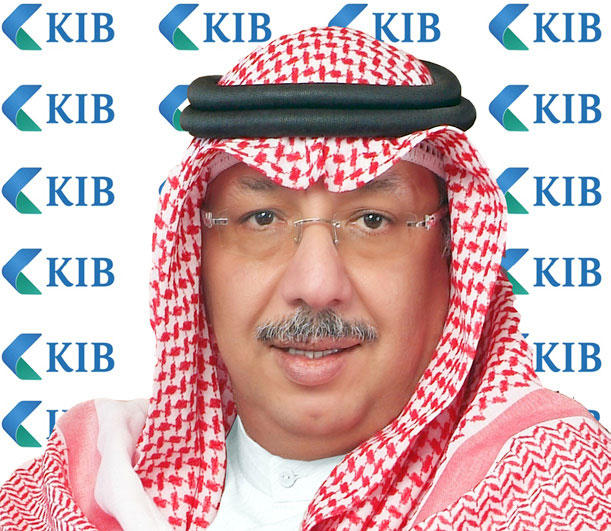
Sheikh Mohammed Jarrah Al-Sabah, Chairman of Kuwait International Bank (KIB), announced the Group’s financial results for the first half (H1) ended 30 June 2025. KIB Group achieved net profit attributable to shareholders amounting to KD 14.8 million, compared to KD 12 million in H1 2024, reflecting a growth of 23%. Earnings per share (EPS) stood at 7.11 fils, compared to 5.70 fils for the same period last year. Total operating income was almost KD 46.3 million, registering a growth of 10% compared to the first half of 2024.
Commenting on the latest financial results, Al-Jarrah emphasized that this outstanding performance marks a starting point towards achieving the Bank’s ambitious goals under its new five-year strategy, which aims to strengthen its position in the banking sector through continued innovation in services and products, expansion of the operational base, and a focus on delivering added value to both shareholders and customers.
Al-Jarrah also affirmed that KIB is focused on developing digital banking solutions to provide customers with a seamless and innovative banking experience. This goes hand in hand with expanding the customer base and targeting new segments, while placing emphasis on sustainability and social responsibility as integral components of the Bank’s comprehensive growth strategy, ensuring strong and sustainable long-term returns.
Regarding the Bank’s financial statements for the first half of 2025, Al-Jarrah stated that KIB’s total assets grew by 20% to reach KD 4.19 billion, compared to KD 3.50 billion as of 30 June 2024. This growth was driven by an increase in the financing portfolio, which rose by 23% or KD 572 million as of end of June 2025 to reach KD 3.09 billion, compared to KD 2.52 billion for the same period of 2024. Meanwhile, its investment and high-quality Sukuk portfolio grew by KD 117 million, reaching almost KD 522 million as of end of June 2025, compared to KD 405 million as of 30 June 2024.
Moreover, Al-Jarrah stated that the Bank places strong emphasis on human capital by attracting and developing talent and grooming future leaders, in parallel with its firm commitment to social responsibility.
On his part, Raed Jawad Bukhamseen, Vice Chairman and CEO of KIB, expressed his pride in KIB’s performance during the first half of 2025, noting that the bank have strong capital base, and improvement in assets quality and profitability along with balanced growth in financing and deposits, reflecting successful implementation of the strategy and improvement in sustainable performance indicators.
He added that KIB is making strides in strengthening its institutional foundation and developing a more flexible business model that can adapt to market dynamics, ensuring
an effective response to customer needs and ongoing developments in the banking sector. He emphasized that KIB places customer experience at the core of its priorities and plays an active role in delivering value by adopting a customer-centric approach and striving for operational excellence. He also noted that the Bank is intensifying its efforts to support the local and national economy, as well as the wider community, through strategic social responsibility initiatives grounded in inclusion and sustainability.
Bukhamseen provided a detailed overview of the key financial results for the first half of 2025 compared to the same period of last year, where fees and commission income, reaching KD 9.3 million compared to KD 7.8 million in the previous period, reflecting a growth rate of 20%. The Bank also recorded an increase in investment income, reaching KD 2.9 million compared to KD 1.9 million in the previous period, reflecting a growth rate of 51%. This contributed to a rise in total operating income, which reached almost KD 46.3 million, marking a growth of 10%.
Regarding the Bank’s financial position, Bukhamseen said that KIB’s customers’ deposits grew by 34% to reach KD 2.84 billion as of 30 June 2025 compared to KD 2.12 billion as of 30 June 2024. In addition, the total shareholders equity grew 6% to reach KD 358 million as of 30 June 2025 compared to KD 336 million for the same period of last year. He noted that KIB continues to maintain high levels of total capital adequacy ratio, in accordance with Basel III instructions, of 21.96% at of 30 June 2025.
In a related context, Bukhamseen emphasized KIB’s strong commitment to its social role, reaffirming its continued support for the ‘Let’s Be Aware’ (Diraya) banking awareness campaign for the fifth consecutive year. This commitment to the initiative, launched by the Central Bank of Kuwait in collaboration with the Kuwait Banking Association and local banks, is an integral part of the Bank’s strategy to foster a more financially aware and educated society, thereby contributing to economic stability and supporting comprehensive development efforts in Kuwait.
In their concluding remarks, Al- Jarrah and Bukhamseen expressed their appreciation to the Central Bank of Kuwait for its exceptional regulatory and supervisory roles, as well as its consistent support. They also expressed their gratitude to the Capital Markets Authority for its supportive role in fostering an attractive and competitive investment environment in Kuwait. In addition, they praised the tireless efforts of all KIB teams, highlighting their contributions to achieving these results. They also expressed their profound appreciation to the Board of Directors and Executive Management for their ongoing support and wise guidance, which have been crucial in enhancing KIB’s financial standing and meeting all environmental, social, and corporate governance (ESG) requirements.
With Stable Financial Performance for H1 2025: Burgan Bank Posting a net income of KD 21 million and an operating profit of KD 49 million
Burgan Bank announced its financial results for the first half of 2025 (H1’25), for the period ending June 30, 2025. The results indicate continued operational progress and consistent performance across key business areas.
During the first half of the year, the Bank recorded revenues of KD 126 million, representing a 14% increase year-on-year (y-o-y) compared to H1’24. The growth was primarily supported by an increase in Net Interest Income, which rose to KD 83 million, marking a 16% y-o-y increase. This was driven by stronger Net Interest Margins, which improved to 2.2% in H1’25 from 2.1% in the same period last year, along with continued expansion of the loan portfolio. Non-interest income also grew by 9% y-o-y to KD 43 million in H1’25, largely reflecting the contribution from United Gulf Bank (UGB) starting this quarter.
Driven by healthy top-line momentum, Burgan Bank delivered Operating Profit of KD 49 million and Net Income of KD 21 million, reflecting operational stability relative to the same period last year.
On the balance sheet front, the Bank demonstrated resilient asset growth. Total assets increased by 14% y-o-y, reaching KD 8.7 billion as of June 30, 2025. The loan portfolio stood at KD 4.6 billion, up 4% y-o-y. The deposit base also expanded by 16%, reaching KD 5.4 billion, reinforcing the Bank’s stable and diversified funding base.
Burgan Bank also sustained a healthy capital and liquidity position. The Common Equity Tier 1 (CET1) ratio stood at 11.7%, while the Capital Adequacy Ratio (CAR) reached 17.4%, both comfortably above the regulatory minimum requirements of 10.5% and 14.0%, respectively. Additionally, the Bank’s liquidity remained strong, with a Liquidity Coverage Ratio (LCR) of 225% and a Net Stable Funding Ratio (NSFR) of 113%, both well in excess of the 100% regulatory threshold.
Commenting on the H1’25 financial results, Burgan Bank’s Chairman, Sheikh Abdullah Nasser Al-Sabah, said: “The first half of 2025 marks another strong step forward in Burgan Bank’s transformation journey. As we navigate a complex regional and global landscape, our performance reflects the Bank’s resilience, disciplined execution, prudent risk management, and forward-looking strategy. Backed by a solid financial core and a clear vision, we remain focused on creating sustainable long-term value for our shareholders, empowering our people, and delivering an elevated banking experience for our customers.”
He added: “Through financial management and strategic focus, we continue to make meaningful progress – reinforcing the strength of our core Kuwait operations, sustaining growth across the Group, and deepening our role as a trusted partner to customers and communities. Beyond the numbers, we are committed to building a modern banking model that responds to the needs of tomorrow – driven by innovation, rooted in strong governance, and powered by our most valuable asset: our people.”
Mr. Tony Daher, Group Chief Executive Officer at Burgan Bank, said: “Our first-half performance in 2025 reflects the strength of our financial position, strategic clarity, and operational discipline. We achieved solid revenue and asset growth, backed by a robust capital base— demonstrating our agility in a challenging and fast-evolving environment. At the same time, we continue laying the groundwork for the future by accelerating our digital transformation, modernizing our core banking infrastructure, and building scalable platforms to drive long-term innovation and growth.”
Adding: “Our strategy is driven by people: our employees, our customers, and our communities and we are building a culture that fuels ambition and advances our role as a future-ready, human-centric institution.”
Burgan Bank Secures Inclusion in FTSE4Good Index, Affirming Sustainability Leadership
In June 2025, Burgan Bank was included in the prestigious FTSE4Good Index Series—a recognition that underscores the Bank’s steadfast commitment to Environmental, Social, and Governance (ESG) excellence. The FTSE4Good Index Series is a globally respected benchmark that identifies companies demonstrating strong ESG performance and is widely
used by institutional investors and asset managers to integrate ESG factors into investment strategies and support the development of responsible investment products and funds. Burgan Bank’s inclusion reflects its comprehensive ESG strategy, built on a clear roadmap and robust framework that have enabled measurable progress across its core sustainability pillars. This milestone reinforces the Bank’s continued efforts to embed ESG principles across all aspects of its operations—further strengthening its position as a forward-thinking, impact-driven financial institution.
Commenting on the Bank’s inclusion in the FTSE4Good Index Series, Mr. Daher said: “Being one of only five Kuwaiti organizations recognized by the globally respected FTSE Russell is a proud milestone and a clear testament to our unwavering dedication to sustainability. This achievement reflects our relentless commitment to embedding ESG principles throughout our operations, culture, and stakeholder relationships. It strengthens our resolve to drive sustainable growth that creates real value for our community while building a resilient, inclusive, and environmentally responsible future.”
Burgan Bank Sustains Momentum in Rolling Out Digital Transformation Initiatives
During H1’25, Burgan Bank introduced SoftPOS by KNET, an innovative digital payment solution that empowers business owners and entrepreneurs to accept payments directly through an Android smartphone—completely eliminating the need for traditional POS hardware. Designed specifically for mobile and small-scale merchants, SoftPOS offers a cost-effective, secure, and flexible alternative that simplifies transactions and enhances operational agility. This forward-looking solution is a testament to Burgan Bank’s ongoing drive to lead in digital transformation, offering smart banking tools that elevate the customer experience while enabling businesses to grow and adapt in an increasingly digital marketplace.
Burgan Bank Strengthens Commitment to Future-Ready Human Capital and Youth Empowerment
True to its mission to become an employer of choice and its dedicated strategy for investing in national human capital, Burgan Bank maintained a strong emphasis on its people-first culture throughout the second quarter of the year.
The Bank reinforced its commitment to talent development and employee empowerment by celebrating the accomplishments of team members who completed advanced training programs, including executive education at Harvard Business School and certifications from the Kuwait Institute of Banking Studies. Employees also advanced through Burgan Bank’s flagship Ro’ya program, which continues to nurture a new generation of in-house leaders. Further demonstrating its inclusive approach, the Bank launched several initiatives under its “Empower Her” initiative to honor the achievements and contributions of its female workforce.
Burgan Bank’s commitment to people extended beyond its internal teams, reaching into the broader community to support the development of the next generation of national talent. The Bank sponsored Academy X, Kuwait’s largest women-led tech empowerment initiative, in partnership with CODED Academy and Kuwait University. It also participated in several major university career fairs, strengthening its engagement with aspiring professionals and reaffirming its long-standing commitment to youth development and national workforce empowerment.
Burgan Bank Wins 2024 Visa Award, Reinforcing Leadership in Premium Card Innovation
Burgan Bank was recognized with the 2024 Visa Award for “Best-in-Class Premium Active Cards Growth in Kuwait”, reaffirming its position as a leader in premium card innovation. This prestigious accolade highlights the Bank’s ongoing efforts to enhance the customer experience through cutting-edge, secure, and lifestyle-oriented payment solutions. The award also reflects the strong synergy between the Bank’s Retail Banking and Private Banking divisions, whose collaboration has fueled notable growth in the premium card segment. In addition, the recognition underscores Burgan Bank’s long-standing partnership with Visa, through which the Bank has introduced a wide array of tailored card offerings, enriched with exclusive rewards, loyalty benefits, and premium privileges designed to meet the evolving aspirations of its clientele.
Sheikh Abdullah Nasser Al-Sabah concluded by saying: “Our achievements are not a destination, but steppingstones in our continuous journey of success and sustainable growth. We remain committed to serving our customers, our community, and the broader economy as a proactive, responsible corporate citizen—delivering on our promises and driving meaningful, sustainable progress. I would also like to extend my gratitude to all those who have helped us achieve our success and our solid financial standing.”
Building on these achievements and the momentum they have created, Burgan Bank is committed to adhering to the same levels of excellence and innovation throughout the remainder of the year, adding value and making change wherever possible in the market and across society.
KFH Reports Net Profit Attributable to the Shareholders of the Bank of KD 342.1 million for H1 2025
Chairman of Kuwait Finance House (KFH) Hamad Abdulmohsen Al-Marzouq announced that KFH achieved a net profit of KD 342.1 million for the first half of 2025 for the Bank shareholders. Earnings per share for the first half of 2025 reached 19.23 fils.
Net financing income for the first half of the year reached KD 607.3 million; an increase of 8.7 % compared to the same period last year.
Total operating income for the first half of 2025 increased, supported by the increase in all core activities to reach KD 876 million; an increase of 6.4 % compared to the same period last year. This growth is particularly notable given that the comparative income for 2024 included profits of KD 70.1 million from the sale of KFH-Bahrain during Q2 2024.
Net operating income for the first half of the year reached KD 566.7 million; an increase of 7.9 % compared to the same period last year.
The cost-to-income ratio for H1-25 improved to 35.3% compared to 36.2% for the same period last year.
Financing receivables at the end of the first half of 2025 reached KD 20.4 billion, an increase of 7.1 % compared to the end of last year.
Total assets at the end of the first half of 2025 amounted to KD 38.5 billion, an increase of 4.9% compared to the end of last year.
Shareholders’ equity for the same period amounted to about KD 5.6 billion, an increase of 0.8% compared to the end of last year.
Depositors’ accounts for the first half of 2025 amounted to KD 19.7 billion, an increase of 2.7% compared to the end of last year.
In addition, the capital adequacy ratio reached 18.01 % which is above the limit required by regulators. This ratio confirms the solid capital base of KFH.
The Board of Directors has agreed to distribute a semi-annual cash dividend of 10 fils per share.
Outstanding performance
In a press release, Al-Marzouq said that KFH continues to lead the banking sector and the Kuwaiti market in profitability. This remarkable achievement comes despite the challenging operating environment and geopolitical shifts in the region, which have brought uncertainty to the economic landscape. He emphasized that KFH’s success stems from precisely implemented plans that ensure sustainable profits and maintain KFH’s solid financial position and robust performance.
Operational efficiency
Al-Marzouq emphasized that KFH continues to boost its operational efficiency, increase revenues, and optimally use its capabilities in line with global standards. This approach will improve asset quality, enhance risk management, and help the bank rationalize expenses, especially as it navigates the current global financial landscape and the competitive financial services industry.
Coordination and integration
He added that KFH is working to achieve great ambitions by maximizing the effectiveness of the Group’s banks and fostering seamless coordination and integration among. This approach guarantees increased revenues and improved performance, while also leveraging the unique potential and advantages of each market.
New chapter
Al-Mazrouq said that KFH successfully launched the new visual identity for Ahli United Bank – Bahrain, rebranding it as Kuwait Finance House – Bahrain. This move complements a series of achievements realized under the new brand slogan, “Beyond Horizons”. He explained that this series began in Kuwait, subsequently extending to the United Kingdom and the Arab
Republic of Egypt. “This initiative is part of KFH’s strategy for expansion and global leadership as an Islamic banking group.” He emphasized that the new brand launch reflects a shift in vision and concept, marking the beginning of a new chapter of integration and excellence in banking services.
Financing and Development
Al-Marzouq highlighted KFH’s continued dedication and ability to fund large-scale projects in all sectors, including production, service, commercial, and development. By offering a diverse range of financing services and solutions, KFH actively supports the government’s comprehensive development plans.
He highlighted the bank’s strengths, which position it as one of the most trusted and preferred institutions for corporate financing. KFH also enjoys a substantial market share in financing small and medium-sized enterprises (SMEs) within Kuwait’s banking sector.
CSR & Sustainability
Al-Marzouq noted that KFH’s social impact grew significantly last year, thanks to its involvement in many key strategic social initiatives. These efforts highlight the crucial role KFH plays in society, alongside its leading position in the economic, developmental, and banking sectors.
He highlighted how KFH has created a pioneering and role model for embedding sustainability principles across its entire group. “KFH has seen remarkable success in green financing and implementing a comprehensive sustainability strategy that’s central to its mission and vision. The bank is further strengthening its commitment by adopting integrated, comprehensive, and balanced practices in the key areas of sustainability: environmental, social, and governance (ESG).”
Sound financial indicators
Meanwhile, KFH Group CEO, Khaled Yousef Al-Shamlan, said that the bank’s H1 2025 profits confirms its robust operational performance and leading position in the Kuwaiti banking sector. He noted that the financial performance for this period reflects prudent strategies and effective policies that consistently yield sustainable profits, solid financial position, asset quality, and good indicators for operating income, cost to income ratios as well as liquidity ratios, and capital adequacy.
Global leadership
AlShamlan said that “KFH ranked first as the best-performing bank in Kuwait, according to The Banker magazine’s 2025 ranking of the top 1,000 global banks. KFH has maintained its position as Kuwait’s largest listed company, in Forbes’ Global 2000 list for the largest public companies in the world, reinforcing its standing using four metrics, revenues, profits, assets and market value.”
He pointed out that KFH has won numerous international awards, including “The Middle East’s Best Islamic Bank” and “Kuwait’s Best Bank” from Euromoney. KFH was also named “Best Bank for Financial Institutions in the Middle East for 2025” by Global Finance, in recognition of its excellence and distinction in banking.
Growing market share
AlShamlan emphasized KFH’s ongoing drive to boost market share by offering competitive products, services, and cutting-edge financing solutions, such as Financing Against Gold Account Collateral.
He also highlighted the continuous effort to strengthen KFH’s presence in international markets, improve coordination among the Group’s banks, and enhance customer service through the KFH Group Service Center. Currently, this center supports KFH-Turkey and KFH-Egypt, with plans to extend its services to other Group banks in the coming period.
Digitalization and innovation
AlShamlan also noted that KFH continues to lead digital innovation in banking, offering diverse digital services and solutions to elevate customer experience. He added that KFH launched (Fahad), Kuwait’s first virtual assistant employee powered by artificial intelligence. This coincides with a comprehensive update and redesign of the KFHOnline app, now offering over 200 digital banking services to meet high customer demand.
At a Growth Rate of 5% for H1 of This Year Boubyan Bank Net Profits Increase to KD 52 Million
Boubyan Bank has announced its H1 financial results for this year. The bank recorded KD 52 million in net profits, at a growth rate of 5%, compared with the same period last year, while Profit Before Tax (PBT) reached KD 60 million at a growth rate of 18%, and the earnings per share increased to 11 fils.
Commenting on the financial results, Boubyan Bank’s Chairman, Mr. Abdulaziz Abdullah Dakheel Al- Shaya, stated: “Boubyan Bank’s H1-2025 results reflect our ongoing success and demonstrate the resilience and robustness of the bank’s operational business model, which proved its adaptability amid the accelerating challenges and changes in the economic environment.”
Outstanding Financial and Operational Performance
Al-Shaya highlighted the key financial indicators recorded during H1, where the bank’s assets grew to KD 10 billion at a growth rate of 12% compared with last year, while the bank’s financing portfolio grew by 11% to reach KD 7.5 billion, and operating profit grew by 10% to KD 67 million, whereas the bank’s market share of local financing increased to 12.5%.
He went on to add: “These results directly reflect the progress achieved in the implementation of ‘Boubyan 2028’ Strategy, which focuses on 4 key pillars, namely: well-planned expansion domestically and regionally, offering innovative digital banking solutions, improving the efficiency of operations, and reinforcing the concepts of comprehensive sustainability.” “The results further highlight the soundness of the strategy adopted by the bank, which focuses on continued success and maintaining sustained performance levels, thus reinforcing the bank’s status as one of the most prominent Islamic banks in the region that keeps up with the expectations of customers and shareholders.”, he added.
Al-Shaya pointed out: “We are confidently looking forward to the continued implementation of our strategy, which places our customers at the heart of our attention, as we continue to focus on innovation, ongoing enhancement of our banking services, and exploring more chances for growth and diversification of income sources. Moreover, we believe in the significance of investing in our human cadres, and in reinforcing the culture of institutional work that is based on excellence and innovation, in a manner that contributes to reinforcing Boubyan’s status as one of the most growing and influential banks in the Islamic banking industry, domestically and regionally.”
Ongoing Growth Supporting Business Competence
On his part, Mr. Adel Abdul Wahab Al-Majed, Boubyan Bank’s Vice- Chairman & Group Chief Executive Officer, stated: “H1-2025’s financial results demonstrate the solid financial position of the bank and its ability to maintain sustained growth despite market challenges, domestically and regionally.”
“We continued our solid performance with positive results across all indicators, which reflects the resilience of our business model and the efficiency of our operational policies. We are optimistic about further milestones in the upcoming period, supported by the continued implementation of well-planned growth strategies, focusing on offering high quality and reliable banking solutions and services to our customers across various sectors.”, he added.
Al-Majed elaborated: “During H1 of this year, Boubyan Bank successfully completed the issuance of senior unsecured sukuk of USD 500 million with a 5-year maturity as part of its USD 3 billion sukuk issuance program. The issuance witnessed an exceptional demand with subscription requests exceeding USD 2 billion, i.e., oversubscribed by more than 4x the targeted subscription.”
He added: “This huge demand by regional and international investors reflect the confidence of global
markets in the creditworthiness of Boubyan Bank, and reinforces the diversification of our funding base, while supporting the regional and international expansion plans of the bank, and contributing to strengthening our liquidity ratios and creditworthiness of the bank in line with CBK’s instructions.”
Al-Majed added: “As part of the bank’s efforts to improve corporate banking services, the bank offered an integrated package of unique services, tailored specifically to cater for the needs of customers in the Kuwaiti market. Such services represent a quality addition to boost the abilities of companies and help them with the management of liquidity and capital with high efficiency amid a very competitive and evolving business environment.
These services include: Payments Host-to-Host service, merchant and supply chain services, smart liquidity management solutions, and treasury management solutions, in addition to virtual accounts, real-time reports and smart cash-management dashboards.”
“At Boubyan, we continue working in line with a crystal-clear strategic vision that places the customer at the top of our priorities, while focusing on ongoing innovation and offering unique banking solutions that cater for the expectations of various segments of customers. We believe that our commitment to the enhancement of our services and diversification of our solutions, side by side with our investment in modern technology and building effective partnerships, will enable us to achieve further sustainable growth and reinforce our status as banking leaders in the years to come.”, Al- Majed concluded.
Highlights
1st Highlight
Boubyan progressed significantly towards adopting AI technology by launching its AI-Driven Transformation Program, aiming at building a more competent and responsive operational model.
This direction was boosted by inking an MOU with Microsoft, the global tech giant, which is one of the AI leaders worldwide, in a step that reflects Boubyan Bank’s leadership in employing AI in pushing innovation and making a leap in the bank’s operations.
2nd Highlight
Ever since the beginning of this year, Boubyan Bank was recognized with many prestigious awards from global institutions. This included the “Best Islamic Bank in Kuwait” Award from MEED, the internationally renowned publication, which the bank has received recently in a clear demonstration of the continued leadership of the bank and excellence in the Islamic banking industry, domestically and regionally.
3rd Highlight
Boubyan continued its progress in prestigious international rankings, as it maintained its place as the 3rd strongest banking franchise in Kuwait, while being ranked among the top 25 Arab banks as per Brand Finance’s ranking. The bank ranked third domestically in Forbes Middle East Top 100 Listed Companies and in MEED’s 2025 List for MENA’s Largest 100 Companies in terms of market capitalization.
4th Highlight
The bank continues to undertake its community role as an integral part of its overall vision for sustained growth and CSR. This is done through various initiatives focusing on empowering the youth, supporting entrepreneurship, and reinforcing financial awareness, in addition to other vital areas such as education, healthcare, and empowering students and graduates in order for the bank to stay closer to all segments of the Kuwaiti society and to effect the necessary positive change.
5th Highlight
Boubyan Bank is keen on developing its human resources and enhancing their skills, since they are the key pillar for sustained growth and competitiveness. The bank offers advanced training programs and enters partnerships with prestigious educational institutions, thus contributing to the preparation of a new generation of qualified future-ready leaders.
Moreover, the bank offers flexible and motivating work environment, which helps staff strike a work-life balance, while embracing diversity and inclusion, out of the bank’s firm belief in human capital being the most important investment in its journey towards perfection and sustainability.
Warba Bank Announces Record Net Profit Growth of 121% in H1 2025, Net profit reaches KD 20.7 million for H1 2025
Warba Bank, one of Kuwait’s leading Islamic banks, announced its financial results for the first half (H1) of 2025, demonstrating continued strong performance and sustainable growth that began with the Bank’s establishment. Over the past 15 years, Warba has turned a bold vision into tangible achievements. The results reflect the successful execution of a comprehensive strategy that combines planned expansion, investment in advanced technologies and a strong focus on community impact, all aligned with the Bank’s vision to build a brighter future under its slogan: “Let’s Own Tomorrow.”
Warba reported a net profit of KD 20.7 million for H1 2025, up 121% compared to KD 9.4 million in the same period last year. Earnings per share reached 6 fils, compared to 3.22 fils in H1 2024.
These results reflect the continued and sustainable growth of the Bank since its establishment, doubling its earnings and asset value over the years.
This growth was also supported by a 770% increase in net investment income, which reached KD 14.6 million as of June 30, 2025, up from KD 1.7 million in H1 2024. Net fees and commissions also rose by 65% to KD 6.2 million as of June 30, 2025, compared to KD 3.8 million in H1 of the previous year.
As for key financial indicators, Warba Bank reported a 20% growth in total assets, reaching KD 6.1 billion. Customer deposits stood at KD 3.4 billion as of June 30, 2025, representing a 20% increase. Total shareholders’ equity rose to KD 799 million as of June 30, 2025, up from KD 322 million at the end of June 30, 2024. Debt receivables rose to KD 3.9 billion, up 9% from KD 311 million on June 30, 2024.
From an Ambitious Vision to Reality
Commenting on the results, Chairman of Warba Bank Mr. Hamad Musaed Al-Sayer, stated: “When Warba Bank was launched in 2010, we had a clear vision: to build a leading Islamic financial institution that blends tradition with innovation. Today, 15 years later, we are proud of the results that put Warba among the region’s financial leaders. These achievements reflect the successful execution of our strategy, particularly in digital transformation and regional expansion, while maintaining our unwavering commitment to Sharia compliance, governance and risk management.”
He added: “We take pride in what we have achieved during the first half of the year, most significantly the historic 100% capital increase that resulted in the largest rights issue in Kuwait’s history. This milestone highlights our shareholders’ trust in the Bank’s performance and future direction. Additionally, the signing of an MoU with Gulf Bank to study a potential merger represents a strategic leap toward creating a strong Islamic banking entity with regional and global competitiveness. Our balanced strategy, combining sustainable growth, innovation and social impact, is what truly sets Warba apart and places us ahead in the Islamic banking sector. Our journey since 2010 has been filled with challenges and achievements alike, and today, we’re more than ever ready to continue our growth and expansion journey for the decade to come.”
Strategic Achievements and Capital Strengthening: Significant Milestones in the Growth Journey
Q2 2025 marked several key achievements for Warba Bank. The Bank successfully completed a 100% capital increase, launched in April 2025, which resulted in the issuance of 2,183,600 new shares. The response to the rights issue reflected strong investor confidence in the Bank’s future outlook.
The capital increase aims to bolster the Bank’s capital base, ensure liquidity for upcoming expansion plans and support its vision of becoming a leading Islamic financial institution in the region.
In parallel, Warba successfully issued and settled US$250 million in perpetual, non-call 5.5-year Additional Tier 1 (AT1) Sukuk on May 20, 2025. The issuance was jointly managed by ENBD Capital and Standard Chartered Bank and received strong demand from both regional and international investors, reinforcing confidence in the Bank’s financial stability and future growth potential.
In a strategic step to enhance competitive positioning, Warba Bank and Gulf Bank signed an MoU and confidentiality agreement on June 15, 2025, to conduct a feasibility study on a potential merger between the two institutions, aligning with Warba’s long-term growth strategy.
From an Emerging Bank to a Leader in Digital Innovation
Throughout Q2 2025, Warba Bank
continued to build its digital footprint and expand its portfolio of innovative banking services. Key initiatives included major upgrades to its mobile banking app, introducing new features to improve user experience and transaction security in a fast-changing world.
The Bank also launched “Wamd Plus,” a real-time money transfer service, offering customers 24/7 instant transactions with enhanced efficiency.
On the expansion front, Warba opened new branches in key strategic areas, delivering a seamless banking experience that combines digital convenience with traditional services. The Bank also strengthened its partnerships with regional and international financial institutions to broaden service offerings and boost competitiveness.
Investment Excellence and Global Recognition: Placing a Footprint Globally
On the investment front, Warba launched a new Sharia-compliant investment fund targeting high-growth sectors in regional and global markets. This initiative supports portfolio diversification and opens up new opportunities for customers.
The Bank also managed and structured several major financing deals for prominent regional institutions, reinforcing its reputation as a key player in Islamic finance. These deals received recognition from global financial bodies, further enhancing Warba’s standing in the international arena.
Warba also earned multiple prestigious awards from global institutions in recognition of its excellence in digital innovation, Islamic finance and sustainability. Notably, the Bank received “Best Islamic Bank in Digital Innovation” and “Excellence in Sustainable Banking” awards, affirming its industry leadership.
Sustainability and Social Responsibility: A Commitment Since Establishment
Demonstrating its commitment to sustainability and community engagement, Warba launched several impactful initiatives in Q2 2025. Among them was the “Plant It for Free” campaign, aimed at expanding green spaces in Kuwait by planting trees in urban and desert areas, with support from employees and community volunteers.
The Bank also continued its efforts to reduce its carbon footprint by integrating renewable energy sources across its facilities and adopting eco-friendly policies. Warba further contributed to global climate action by financing clean energy projects across several countries.
These initiatives reflect the Bank’s unwavering commitment to sustainability and social responsibility, which have been an integral part of its identity since its inception. Warba believes that true success is measured not only by profits and financial growth, but also by the positive impact it leaves on society and the environment.
Forward-Looking Vision: Next Decade of Growth and Expansion
Commenting on the Bank’s financial performance and operational achievements, Mr. Shaheen Hamad Al-Ghanem, Chief Executive Officer of Warba Bank, stated: “When we began our journey, we set an ambitious roadmap to build a leading Islamic financial institution that combines authenticity and innovation. Today, we are proud of our achievements, which place Warba Bank among the leading financial institutions in the region.”
He said: “Our Q2 results reflect the success of our strategy to drive sustainable and inclusive growth, which is built on a foundation of innovation, operational excellence and a strong ESG commitment. We’ve made significant strides in diversifying our income streams, strengthening our investment portfolio and maintaining a solid financial position.”
He added: “The success of our 100% capital increase and the issuance of US$250 million in AT1 Sukuk are strong testaments to investor confidence and will empower us to pursue our ambitious expansion strategy. The MoU signed with Gulf Bank to explore a potential merger is another strategic milestone in our journey to create a leading Islamic banking entity that is able to compete regionally and globally.”
Al-Ghanem concluded: “We remain committed to investing in digital transformation and enhancing our service ecosystem to exceed customer expectations. At the same time, we reaffirm our commitment to sustainability and community impact through innovative initiatives that build a better future. Backed by a bold vision, an exceptional team and a strong base of shareholders and customers, Warba Bank is on a steady path of success, innovation and leadership in shaping the future of Islamic banking.”
Warba Bank has achieved significant success in a short period, positioning itself as a leader in Islamic digital banking services. It is one of the local banks with the largest number of shareholders, making it accessible and close to all segments of society. This milestone further reinforces Warba’s position as a trusted banking partner that combines innovation with social responsibility to deliver best-in-class financial services and products.
Financial Stability Report 2024: Resilient Kuwaiti Banking Sector Fuels Stability and Innovation in 2024

The Central Bank of Kuwait (CBK) issued its Financial Stability Report for 2024, which is the 13th edition of a series of reports prepared and published by CBK. This year’s report includes the latest data and statistics related to the Kuwaiti banking and financial sector for the reporting period, and is structured into five main sections, each of which provides a comprehensive assessment of the relevant topics.
The Financial Stability Report, which CBK issues annually, covers the most important global and local developments during 2024 that affected the financial and banking system in the State of Kuwait.
The report comprises five main chapters, beginning with an analysis of global and local economic developments, followed by a chapter dedicated to assessing the local financial system, and the developments seen in the banking sector during the year. Another chapter analyzes the key risks facing the sector, including market risk, credit risk, liquidity risk, and operational risk. The report also provides an assessment of the profitability and solvency of the banking sector, and concludes with a chapter on the domestic payment ecosystem.
The global economic landscape in 2024 marked a shift from the tightening cycles of the years 2022 and 2023, as central banks across major economies began to cautiously ease monetary policy in response to a notable decline in inflation. Although inflation remained above target in many regions, the moderation from peak levels allowed for a more accommodative stance. Meanwhile, the continued surge in artificial intelligence innovation captured investor interest and underpinned strong equity-market performance, reflecting expectations of future productivity gains. However, the optimism was tempered by rising geopolitical tensions, including escalating conflicts in the Middle East and Eastern Europe, which contributed to market unease. This uncertainty was further compounded in the latter part of the year by volatility surrounding the U.S. presidential election, as global stakeholders assessed the implications of different electoral outcomes.
On the domestic front, monetary and inflationary trends generally mirrored those seen globally, albeit with less intensity. This was largely due to Kuwait’s prudent approach in managing inflation over the past two years, avoiding excessive rate hikes. The economic picture, however, was dampened by declining oil prices, which led to a contraction in GDP due to reduced oil revenues. Despite this, local sentiment remained positive, buoyed by encouraging political developments that suggested a reduced likelihood of legislative gridlock and a renewed focus on structural reforms. Investor confidence was also supported by the government’s demonstrable efforts to address fiscal imbalances, contributing to a positive performance in local equity markets even in the face of external pressures. In light of the above, the following section presents the key takeaways from this year’s Financial Stability Report.
1- Global and Local Economic Developments
Global Developments
Global economic growth slowed down during 2024, with estimates from the International Monetary Fund indicating that real global GDP growth reached 3.3%, compared to 3.5% in 2023. With a noticeable easing of pressure on supply chains, price inflation continues to decline gradually
worldwide, with global consumer price inflation dropping to 5.7% in 2024, down from 6.6% in 2023. Meanwhile, global debt levels rose by 1.7% in 2024, compared to a 5.1% increase in 2023, indicating a slowdown in the pace of debt accumulation. On another front, most global stock markets showed strong performance throughout the year, with major indices rising due to improved investor confidence driven by the boom in the artificial intelligence sector. As for oil markets, they remained relatively stable during 2024, with some fluctuations caused by geopolitical tensions and economic uncertainty.
Local Developments
Kuwait’s real GDP declined by approximately 2.6% in 2024, impacted by reduced oil production. Inflationary pressures continued to ease domestically, with the inflation rate measured by the annual change in the Consumer Price Index-reaching 2.9% in 2024, down from 3.6% in the previous year. This occurred despite relatively tight monetary conditions,
although the local benchmark interest rate (discount rate) was lowered by 25 basis points during the year to reach 4.0%. As for the Kuwaiti dinar exchange rate, the US dollar appreciated slightly against the Kuwaiti dinar by 0.4% during the year. This stability persisted despite the interest rate differential favouring the US dollar, once again reflecting the prudence and effectiveness of the domestic monetary policy. The estimated fiscal deficit for the 2024/2025 financial year reached approximately KD 5.6 bn, representing about 11.3% of the estimated GDP for 2024. Kuwait’s stock market showed significant improvement in 2024, ranking among the best-performing markets in the Gulf region, rebounding from a weak performance in 2023. This recovery was driven by gains in small and medium-cap stocks, supported by strong corporate earnings and increased trading activity. Larger companies also contributed to the positive momentum, albeit to a lesser extent, thanks to their robust financial results. In the real estate sector, market activity rose in 2024 in value terms compared to 2023, primarily driven by the investment property segment. This growth was attributed to the decline in local interest rates, with transaction values increasing by approximately 36% year-on-year to reach KD 3.73 bn.
- Local Financial System Overview
Assets
Banking sector assets recorded a growth rate of 4.3% in 2024, reaching KD 115.2 bn, primarily driven by the expansion of the loan portfolio. As a result, alongside the slight contraction in the global economy and a decline in global oil prices, the ratio of assets to nominal GDP increased, reaching 235% by year-end. Similarly, the ratios of loans to nominal GDP and deposits to nominal GDP also rose, reaching 147% and 150% respectively. Conventional banks’ assets grew at a faster pace than Islamic banks’ in 2024, with growth rates of 7.8% and 0.8% respectively. Consequently, the share of conventional banks in total banking sector assets increased to 52%, while the share of Islamic banks declined to 48% by the end of 2024. Investment companies regulated by the Central Bank of Kuwait also saw asset growth in 2024, mainly driven by conventional investment firms. As for exchange companies, their assets grew by 2.3%, primarily due to an increase in foreign assets, which was partially offset by a decline in payables and an increase in shareholders’ equity.
Loans
Kuwaiti banks continued to fulfil their role as financial intermediaries in 2024 by expanding their credit portfolios despite the high-interest rate environment. The loan portfolio grew by approximately KD 2.9 bn, or 4.3%, reaching KD 72.3 bn. This growth was primarily driven by lending to large corporates. In terms of sectoral distribution, most sectors saw growth during the year. Notably, the Services, Construction, Industry, Trade, and Real Estate sectors collectively increased by KD 2.1 bn. However, the portfolio remains concentrated in Household, Real Estate loans, and Service sector loans, which together account for more than half of the total loan portfolio. Regarding the currency composition, loans denominated in the local currency continued to make up the majority of
the loan portfolio in 2024, representing around 64.0% of the total. Geographically, the share of loans granted in Europe (primarily the United Kingdom and Turkey) increased to 12.1%. In contrast, loans extended to the GCC countries (excluding Kuwait) saw a slight decline, making up 13.6% of the total portfolio. Domestically, loans to local clients continued to dominate the portfolio, accounting for 65.4%.
Deposits
In line with previous years, bank deposits continued to grow in 2024, recording a slight increase of 0.4% to reach KD 73.9 bn by year-end, thus remaining the primary source of funding for banks. Domestic deposits accounted for approximately 68.7% of total deposits, while foreign deposits made up 31.3% in 2024, reflecting the banks’ international operations. Deposits also remained largely concentrated in the private sector, which constituted the majority of the deposit base at around 79.2% of the total.
- Risks
Credit Risk
Credit exposures recorded a growth of 4.5% in 2024, compared to 3.3% in the previous year, primarily driven by the expansion in the loan portfolio and interbank deposits. In terms of loan quality, the portfolio remains of high quality. Although non-performing loans (NPLs) rose slightly during 2024, the NPL ratio remained low at around 1.5%, thanks to the prudent provisioning policy adopted by the Central Bank of Kuwait. Given the increase in NPLs, the NPL coverage ratio declined to 264% at the end of 2024, down from 303% in 2023. Nevertheless, this remains one of the highest coverage ratios in the region, reflecting the banking sector’s strong capacity to absorb new defaults without affecting profitability. As for other credit exposures-namely fixed income investments and interbank deposits-they continue to exhibit high credit quality.
Liquidity Risk
Deposits continued to rise in 2024, growing by approximately 0.4%, compared to a growth rate of around 4.6% in 2023. This slowdown came amid the beginning of the end of the global monetary tightening cycle that started in 2022. The increase in deposits contributed to an expansion in financing activities, leading to a rise in the Maximum Lending Limit (MLL) ratio, which reached 83.5% by the end of 2024, up from 79.6% in 2023. With the growth of various funding sources, the Net Stable Funding Ratio (NSFR) also increased, reaching 114.4% in 2024-well above the regulatory minimum of 100% set by the Central Bank of Kuwait. Overall, the banking sector continues to enjoy ample liquidity, reflected in the banks’ ability to meet regulatory liquidity requirements, consistently maintaining ratios that exceed the mandated thresholds.
Market Risk
Market risks remain limited at the domestic level, as there were no significant changes to the investment portfolio in 2024, aside from minor shifts among different asset classes. Fixed-income and real estate
investments grew by 0.4% and 3.2%, respectively, while equity investments declined by approximately 4.9%, driven by a reduction in banks’ holdings of local and GCC equities. Investments measured at fair value through other comprehensive income and those measured at fair value through profit & loss accounted for about 72.7% of the total investment portfolio in 2024, up from 63.6% in 2023. Nevertheless, Kuwaiti banks are considered less vulnerable to market fluctuations or potential changes that could negatively impact performance due to their limited exposure to market risk.
Operational Risk
Operational losses in the domestic banking sector declined in 2024, reaching KD 2.7 mn-a decrease of 8.2%-representing just 0.16% of the net profits of Kuwaiti banks during the
same period. This highlights the resilience of local banks in keeping pace with rapid technological developments. On the other hand, the employee turnover rate saw a slight increase, reaching 14.4% in 2024 compared to 13.2% in 2023. Nevertheless, this rate remains within a relatively acceptable range. In a forward-looking assessment, operational loss simulation exercises were conducted, with the results confirming the strong financial position of banks and their ability to withstand the materialization of severe operational shocks. As part of the Central Bank of Kuwait’s efforts to manage cybersecurity risks, the overall compliance score of the cybersecurity framework maturity index improved for the sector, with the average score rising to 3.32 in 2024 from 3.15 in 2023. This reflects the sector’s progress in keeping up with developments across all areas of cybersecurity.
- Profitability and Resilience
Profitability
The domestic banking sector recorded a positive performance in 2024, achieving profit growth from sustainable sources. Net profits of the Kuwaiti banking sector grew by approximately 5%, reaching KD 1.68 bn by year-end. This was supported by positive growth in the loan portfolio and relatively high interest rates. Net interest margins continued to rise in 2024, reaching 3.0% for the sector. As a result, the share of net interest income in total bank earnings increased by about 2 percentage points compared to 2023, making up 70% of banks’ gross income in 2024. This reinforces the quality of the banking sector’s profitability and confirms its ability to sustain the strength and resilience of its core profit-driving activities. Looking at banking sector performance indicators, the sector’s profit growth contributed to improved metrics, with the return on average assets (ROAA) rising to 1.49%, and the return on average equity (ROAE) increasing to 11.15% during the year.
Resilience
The domestic banking sector continued to demonstrate a high level of resilience amid evolving economic conditions, reflected in its strong capital adequacy indicators which underscored the sector’s sustainability and stability. The capital adequacy ratio (CAR) for the sector stood at 19.4%, significantly exceeding the minimum requirements set by the Central Bank of
Kuwait. Compared to the previous year, the ratio saw a slight decline due to the positive growth in banking sector assets, which led to risk-weighted assets growing at a faster pace than capital. In 2024, the share of Common Equity Tier 1 (CETl) in the regulatory capital base remained stable, continuing to constitute the largest portion-77.5% by year-end. This reinforces the banking sector’s capacity to absorb potential losses. As a result of the stable contribution of CETl to regulatory capital, the CETl ratio declined slightly to 15.0% in 2024 from 15.4% in 2023. Nevertheless, this remains well above the minimum Basel Committee and Central Bank of Kuwait requirements of 7% and 9.5%, respectively.
- Payment Ecosystem
The year 2024 witnessed significant advancements in electronic payment methods and a notable expansion in payment infrastructure. A key development was the launch of the new instant payment service “WAMD” at the end of June 2024, which contributed to an increase in the number of electronic payment transactions and further boosted demand for digital payment services over traditional paper-based methods. For the fifth consecutive year, electronic payments continued to dominate other payment methods with the gap between digital and paper-based transactions widening further in 2024. The volume of electronic payment transactions (including WAMD transactions) grew by approximately 20.6% during the year, while the total value of these transactions (also including WAMD) increased by about 7.6%. This growth was mainly concentrated in non-cash transactions, both in terms of number and value. On another note, the number of local bank branches declined by 2.0% in 2024, with the decrease largely stemming from Islamic banks. Despite global disruptions in internet services and system outages in 2024, the rate of unplanned downtime improved across all indicators. In particular, the core banking system maintained an uptime exceeding 99.9%, underscoring the operational resilience of the domestic banking sector’s infrastructure even amid challenging conditions. As part of the Central Bank of Kuwait’s ongoing efforts to enhance the quality and sustainability of financial services in the banking sector, CBK extended the operating hours of the Kuwait Automated Settlement System for interparticipant Payments (KASSIP) by an additional two hours in 2024. The system now operates from 7:00 AM to 7:15 PM, which has contributed to improving operational efficiency and better meeting the needs of beneficiaries.
- Outlook
Looking forward, global monetary easing is expected to persist but at a more measured pace, as inflation remains stubborn and policymakers remain vigilant. Complicating the inflation narrative is the emergence of aggressive trade policies and the onset of a new trade war, both of which risk reigniting price pressures and disrupting global supply chains. While markets appear to have priced in much of the geopolitical risk, the potential for further escalation particularly in flashpoints such as the Middle East and Eastern Europe continues to pose downside risks. In this context, investor sentiment is likely to remain cautious, with a heightened focus on policy signals and geopolitical developments.
Domestically, monetary policy is expected to remain steady and gradual, as it was during the tightening cycle, allowing for a controlled stimulus to support demand. The political reset has set the stage for accelerated economic and structural reforms, including long awaited infrastructure projects that could catalyse growth. Additionally, the enactment of the public debt law is anticipated to ease pressure on government finances by enhancing liquidity and offering banks a new instrument for managing excess liquidity efficiently. Furthermore, some other laws that are expected to be finalized in the near-future will also contribute to relieving the burden on the fiscal balance while providing new products for banks. Overall, despite global headwinds, the local financial system is expected to remain robust and well-positioned to navigate potential shocks, supported by sound policy frameworks, improving macroeconomic fundamentals, and adequate levels of capital.
CEO of The Shared Electronic Banking Services Company (KNET) Esam Alkheshnam: KNET is the backbone of Kuwait’s payment ecosystem
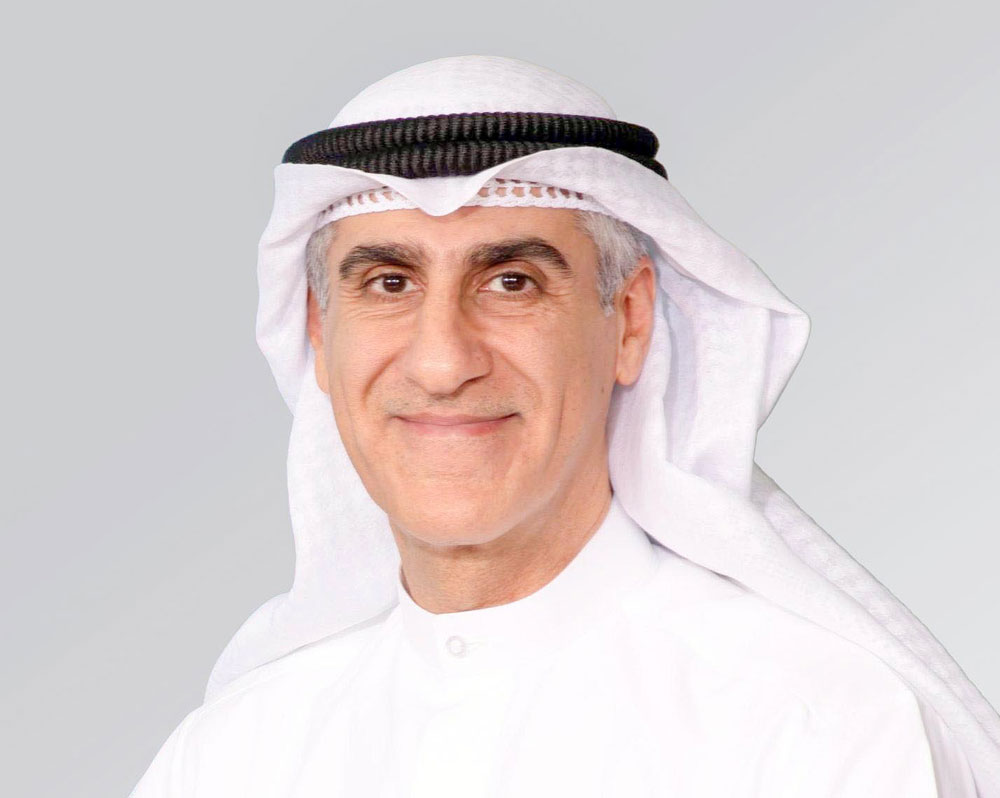
How is KNET shaping Kuwait’s payment ecosystem to drive digital innovation and global connectivity?
KNET has always been the backbone of Kuwait’s payment ecosystem. Since it was established in 1992, KNET have consistently worked to provide the infrastructure that powers every daily financial interaction in Kuwait, whether through ATMs, point-of-sale machines, or online payment gateway. Today, that role has expanded to embrace digital-first solutions that align with the global shift toward cashless economies.
By investing in new technologies and continuously upgrading our infrastructure, we ensure that Kuwait is not lagging in the rapidly evolving fintech landscape. Our efforts are not only about convenience but also about empowering businesses, banks, and consumers to interact within a fully connected digital economy. Global connectivity is also a key part of this strategy.
What are KNET’s key priorities to stay at the forefront of Kuwait’s fast-evolving fintech and digital banking landscape?
Our priority is enhancing customer experience through innovation. We know that consumers today expect transactions to be instant, secure, and effortless, so every product and service we design starts with the customer journey in mind. Secondly, security and compliance remain at the core of everything we do. With cyber threats growing more sophisticated, we place enormous emphasis on safeguarding data, implementing the latest fraud-detection technologies, and ensuring our systems meet international security benchmarks.
Finally, collaboration and ecosystem building are crucial. The fintech industry is moving at an unprecedented pace, and no single player can succeed in isolation. KNET is fostering stronger partnerships with banks, fintech startups, and merchants, in alignment with the Central Bank of Kuwait regulations, to ensure that Kuwait’s payments sector grows in a way that is both innovative and sustainable.
How does KNET empower Kuwaiti banks to embrace digital transformation and deliver cutting-edge services?
Kuwaiti banks are at the heart of financial innovation, and KNET provides the foundation on which they can build their digital futures. We offer ready-made banks infrastructure for services such as instant payments, secure online payments, and contactless transactions. This allows them to introduce advanced services to their customers without having to bear the heavy costs of developing new systems from scratch.
Beyond technology, we are a strategic partner. Through constant dialogue and joint initiatives, we help banks identify opportunities to digitize their operations and
offer next-generation solutions like biometric authentication, mobile-based payments, and AI-powered customer insights. In doing so, we enable them not just to compete locally, but to offer services that stand shoulder-to-shoulder with global banking standards.
Can you highlight KNET’s business growth in the past two years, and share your outlook for growth this year?
The past two years have been transformative. Transaction volumes across our networks have surged, as both consumers and businesses embrace digital channels. Online payments, in particular, have seen exponential growth, driven by the acceleration of e-commerce and the widespread adoption of contactless technologies during and after COVID-19.
This growth is not only quantitative but qualitative. We have introduced several new services, expanded our reach with more advanced POS devices, and increased adoption of WAMD, Kuwait’s instant payment system. For the year ahead, we expect momentum to continue as we roll out new features, deepen collaboration with banks, and pursue regional opportunities. The outlook is strong, with a focus on sustainability, inclusivity, and scalability.
What new services and innovations has KNET introduced to streamline daily transactions, making payments faster, smoother, and more user-friendly for consumers and institutions?
Innovation at KNET is always focused on simplicity and reliability. One of our most impactful introductions has been WAMD, an instant payment system that allows individuals to send and receive money using only a mobile number, eliminating the need for complicated account details. We also rolled out enhanced POS systems that accept multiple forms of payment, from traditional cards to contactless and potentially mobile wallets, ensuring merchants can serve every customer with ease.
On the consumer side, we are continuously refining our online payment gateway, making it more intuitive, secure, and responsive to the needs of both shoppers and businesses. For institutions, we have introduced advanced reconciliation tools, improved integration methods, and digital onboarding solutions to help them integrate payments into their services seamlessly.
How is KNET adopting advanced technologies such as AI, blockchain, and contactless solutions to enhance payment efficiency, while also ensuring robust security and data protection against rising cyber threats?
Technology is the engine of our evolution. AI, for example, is being leveraged to enhance fraud detection, providing real-time monitoring and predictive
analysis that helps curb fraudulent transactions. Contactless payments have already become a norm in Kuwait, thanks to our investments in upgrading POS infrastructure.
But alongside convenience, we put equal weight on security. Cybersecurity is a continuous journey, and we are committed to staying ahead by investing in advanced defenses, and compliance with global standards. We want our users to experience seamless payments with the confidence that their transactions are protected.
How does KNET work with the Central Bank of Kuwait and regulators to balance innovation with compliance and consumer safety?
Our relationship with the Central Bank of Kuwait is built on trust and collaboration. Every new service we launch is designed in close consultation with regulators, ensuring it meets not only the highest technological standards but also the strictest compliance requirements.
Balancing innovation with regulation means walking a fine line. We must be agile enough to adopt global trends while maintaining the stability and safety of the financial system. The Central Bank of Kuwait plays a key role in guiding this balance, and with their guidance we have developed frameworks that allow for innovation without compromising consumer safety. This partnership ensures that Kuwait’s payment systems remain robust, secure, and globally aligned.
What steps is KNET taking to build confidence in digital payments among Kuwait’s consumers?
Consumer trust is at the heart of digital adoption. To build confidence, we focus on three pillars: education, transparency, and reliability. We run awareness campaigns to explain the security features built into our systems and to guide consumers on safe digital practices. Transparency in services and processes ensures customers know exactly what to expect.
Most importantly, we prioritize reliability, ensuring that every transaction goes through seamlessly, every time. When consumers experience consistent, problem-free interactions, their trust in digital payments grows. This trust has been reflected in the increasing number of Kuwaitis shifting from cash to digital-first payment methods.
How do KNET’s collaboration with banks and financial institutions strengthen Kuwait’s national payment infrastructure?
KNET acts as a unifying platform for all banks and financial institutions in Kuwait. By centralizing the core infrastructure, we enable interoperability, meaning that customers of one bank can transact easily with customers of another. This reduces friction, enhances efficiency, and creates a seamless national network.
Such collaboration also drives cost efficiency. Instead of each institution investing separately in complex systems, KNET provides shared infrastructure that meets the needs of the entire ecosystem. This collective model not only strengthens Kuwait’s financial system but also makes it more resilient and ready to adapt to future challenges and advancements.
What are KNET’s ambitions for reginal expansion or partnerships with global payment platforms to link Kuwait to international markets?
Our ambition is to place Kuwait firmly on the global digital payments map. We are exploring regional collaborations that would allow Kuwaiti businesses and consumers to transact across borders as easily as they do within the country. This includes partnerships with global payment platforms and exploring interoperability with international standards.
By connecting Kuwait’s payment ecosystem with the rest of the world, we aim to facilitate trade, tourism, and investment. Ultimately, we want a Kuwaiti consumer traveling abroad — or a global consumer engaging with Kuwaiti businesses — to enjoy the same seamless, secure, and instant payment experience.
How is KNET preparing to address competitive pressures and shape the future of Kuwait’s digital payment systems over the next few years?
The payments industry is one of the most competitive sectors globally, and Kuwait is no exception. We see competition as an opportunity to push ourselves further. Our strategy is based on continuous innovation, investment in talent, and a forward-looking approach to emerging trends.
We are also preparing by building flexible, scalable systems that can adapt quickly to changing demands. Beyond technology, we are investing in stronger partnerships with banks, Fintechs, and regulators, to ensure that KNET remains central to Kuwait’s digital payment ecosystem. Our goal is not only to keep pace with global innovations but to shape the future of payments in the region.
Sheikh Talal Ali Abdullah Al Jaber Al Sabah Kamco Invest ranks among top asset managers in the MENA region
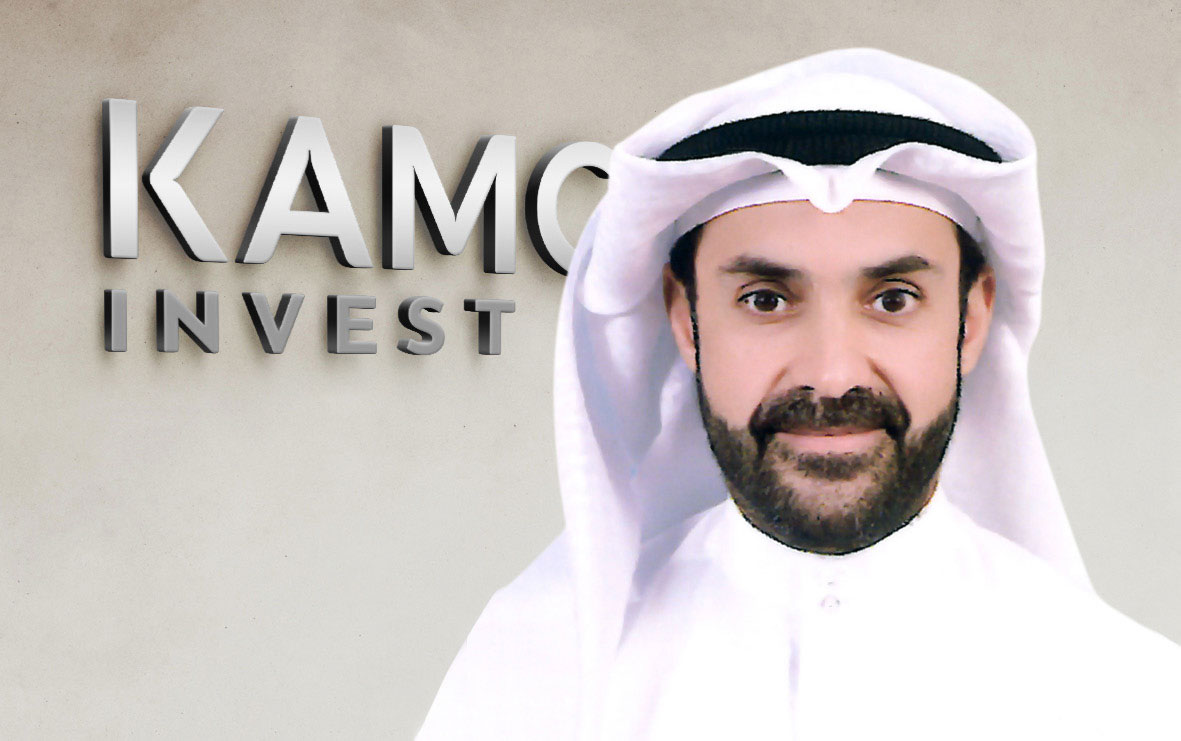
Al Masaref Online interviews Sheikh Talal Ali Abdullah Al Jaber Al Sabah, Chairman of Kamco Invest, to discuss the
company’s key milestones, its alignment with Kuwait’s Vision 2035, and its role in developing capital markets and
building cross-border partnerships. He also shares Kamco Invest’s recent achievements, growth plans, and outlook for
the future of investment in Kuwait and the wider GCC.
Can you share recent milestones that demonstrate Kamco Invest’s innovation and leadership?
In H1 2025, Kamco Invest achieved several significant milestones, including maintaining its ranking among the top largest asset managers in the region by Forbes Middle East. Through its operations Investments business, the Company diversified beyond real estate and private equity by building a private-credit capability with prominent global partners, alongside completing the acquisition of a 60% majority stake in European Green Logistics Space (EGLS), a thematic, sustainability-aligned logistics platform. On the Investment Banking side, the team acted as Joint Lead Manager on five bond and sukuk issuances totaling USD2.3bn.
Driven by continued performance across both Alternative Investments and Investment Banking, Kamco Invest was awarded “Kuwait’s Best for Alternative Investments” and “Kuwait’s Best Investment Bank – DCM” by Euromoney for 2025. Additionally, the Kamco Investment Fund, the Company’s flagship conventional fund, won the LSEG Lipper Fund Award in 6 categories, recognizing the fund’s exceptional performance for the last 3, 5, and 10 year periods.
How does Kamco Invest align its strategies with Kuwait’s Vision 2035 and the country’s economic diversification goals?
Kamco Invest aligns its operating model with Kuwait’s Vision 2035 by channeling capital, advisory expertise, and research toward sectors that advance long-term diversification. This includes supporting listings and capital-markets activity that broaden participation and improve market depth, financing growth for national champions through equity and debt solutions, in addition to our commitment to provide the investment community with reports and insights to elevate their decision-making.
Furthermore, the Company’s governance, disclosure, and sustainability reporting frameworks are mapped to national and international standards, ensuring that execution discipline and transparency reinforce Kuwait’s development priorities.
What sectors or asset classes do you see as the most attractive in Kuwait and the wider GCC, and how is Kamco Invest positioned to capture these opportunities?
Over the past few years, the global investment landscape has been shaped by shifting macroeconomic drivers, from changing interest rate environments to evolving fiscal policies and geopolitical
realignments. In this context, Kamco Invest believes that thematic investing is essential to capitalizing on these structural shifts. Rather than reacting to short term volatility, its strategy aligns portfolios with long term megatrends, a strategic necessity for investors seeking resilient, future focused returns. Kamco Invest captures these opportunities by selectively positioning client portfolios in leading companies across key sectors and by actively participating in attractive IPOs, ensuring its clients benefit from emerging themes and market developments.
In Kuwait, several sectors stand out as key beneficiaries of ongoing structural reforms. The banking sector is poised to gain from the soon to be approved mortgage law and the recently launched public debt program, together expected to support lending activity, liquidity, and profitability. Industrial and construction sectors also show strong potential, underpinned by government projects valued at approximately USD5.5bn (KWD1.7bn) that aim to drive infrastructure and development. The real estate market is gathering momentum through upcoming housing initiatives, including announced residential cities in Al Khairan, Nawaf Al Ahmad, and Al Sabriya, which aim to address persistent demand. In parallel, at least three IPOs are anticipated in the near term, offering additional avenues to deepen market exposure and capture growth.
Across the wider GCC, investors can benefit from top down and select sector specific themes. Industrials linked to trade infrastructure such as ports, along with adjacent logistics, should gain from national trade transformation agendas. Capital goods, particularly power equipment, present opportunities given structural undersupply and a cycle supported by construction capex. Regional utilities combine growth with dividend and value characteristics, with increased renewables and efficiency improvements translating into stronger cash flows.
Furthermore, platform businesses, which are more recent entrants to GCC public markets, are likely to sustain momentum, with investable options spanning food and beverage, consumer discretionary, and fintech over the medium term. Therefore, we recently launched a Pre-IPO tech fund to invest in late-stage fast growing companies in the GCC Tech sector dedicated to an IPO event in the near term.
How do you incorporate sustainability and ESG principles into your investment process?
Sustainability is embedded in Kamco Invest’s culture, as well as across various aspects of its operation. The Company’s ESG approach is structured around governance, workforce, community, and environmental pillars, with reporting aligned to national frameworks and global standards. In practice, this translates into rigorous governance and risk oversight, transparent stakeholder engagement, and investment selection that favors resilient business models and assets, such as sustainability-aligned logistics platforms, where environmental and social performance contribute to long-term value creation for clients.
What role does Kamco Invest play in attracting international capital and building cross-border partnerships?
Kamco Invest plays a pivotal role as one of the leading regional asset managers with a strong presence in key GCC markets, namely Kuwait, Saudi Arabia, and the UAE. This strategic footprint positions the Company as a gateway for international capital into the region. Kamco Invest has and will continue to form strategic partnerships with globally recognized financial institutions and solution providers to introduce best-in-class products to our investors. Simultaneously, the Company supports these global partners in navigating the region’s regulatory landscape and market practices, ensuring adherence to local requirements while fostering seamless market entry.
Through this dual role, offering our investors access to world-class opportunities and guiding international players in establishing a compliant and effective presence in the region, Kamco Invest strengthens cross-border partnerships and contributes to the long-term development of the regional investment ecosystem.
How has technology and digital transformation influenced your investment strategies and client engagement?
Digitalization is central to Kamco Invest’s strategic approach to easing access to products and services for clients. The Company’s app and upgraded client portal streamline onboarding, funding, auto-invest, and ongoing portfolio engagement, providing bilingual access to holdings, performance, and reporting. These platforms enhance transparency, reduce friction across the investment lifecycle, and enable scalable, data driven service that supports better decision making for clients and more consistent execution across teams.
How do you balance delivering strong returns with managing risks in today’s volatile global environment?
Kamco Invest’s approach is built on a disciplined framework that combines diversification, quality, and alignment with client objectives. The Company provides access to a wide range of opportunity sets across asset classes, strategies and geographies, so portfolios are not overly exposed to a single risk factor. Every investment undergoes rigorous due diligence to ensure that it meets internationally recognized standards. By leveraging partnerships across global asset classes, the Company tailors risk-return solutions to prevailing economic and market conditions, whether the objective is yield generation, capital appreciation, or a balanced outcome.
Our philosophy seeks to capture upside in favorable markets while
remaining cautious and deliberate in minimizing downside during periods of volatility. Ultimately, the Company views it as its responsibility to provide solutions across market cycles, enabling clients to achieve their target risk and return objectives while navigating an increasingly complex global investment environment.
What contributions has Kamco Invest made towards developing Kuwait’s capital markets and empowering local talent?
The Company advances market development by broadening the product set and investor participation through repeat DCM and ECM mandates, consistent research coverage, and education-oriented engagement with market stakeholders. Internally, we invest in training, internships, and professional development to build local capabilities that can compete regionally, reinforcing a virtuous cycle of stronger issuers, higher quality disclosure, and deeper capital markets in Kuwait.
Following Burgan Bank’s recent acquisition of a majority stake in Kamco Invest, what sets this partnership apart?
With Burgan Bank’s recent majority acquisition, we are entering a new phase of collaboration, one that builds on the strengths and legacies of two well-established institutions with a combined history exceeding 75 years of operations. Unlike traditional structures where investment arms are built from the ground up by banks, this acquisition brings together two entities with deep-rooted expertise, independent track records and client bases, and a shared commitment to excellence. It is a partnership that will enhance our ability to deliver a seamless and growing integrated suite of financial services, offering our clients broader investment solutions and access to a more dynamic financial ecosystem.
With decades worth of expertise and leadership in the region, Kamco Invest boasts more than USD17.1bn in assets under management across various asset classes and jurisdictions, with investment banking credentials exceeding USD43.7bn across equity & debt capital markets and mergers & acquisitions, since establishment.
Looking ahead, what is your vision for Kamco Invest’s growth and expansion over the next five years?
Kamco Invest aims to continue leveraging market trends to provide its clients with lucrative investment opportunities that meet their diverse appetites. Following our ongoing expansion plans through our regional presence, our acquisition of a majority stake in EGLS, along with the strategic relationship with Burgan Bank, we aim to grow our assets under management, broaden our client base, and offer cross-border strategies that create value for clients.
Mansour H. Al-Mubarak, Chairman of Aayan: Aayan Charts a Five-Year Roadmap with Measurable Impact and Balanced Growth
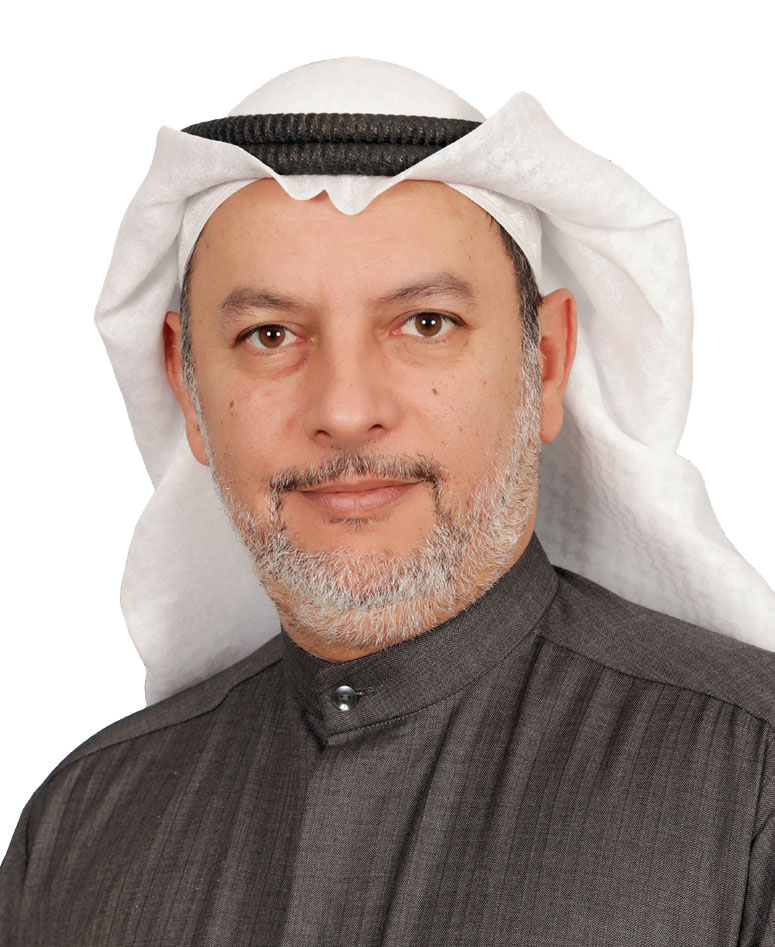
What distinguishes Aayan Leasing and Investment’s investment philosophy and strategy from other regional companies?
Aayan Leasing and Investment has adopted a unique financial model based on three core sectors: leasing, real estate investment, and direct investment. What distinguishes this model is the diversity of the company’s assets and the nature of its liquidity and resilience. The company’s leasing sector represents a sector with solid cash flows. Aayan has distinguished itself in its ability to manage this activity in its various stages, from dealing with agencies and suppliers, to manage the leasing process and customer service, to the sale of assets de-fleeted from leasing. In the real estate sector, the group stands out for its many distinctive investments in Kuwait and abroad, in addition to its management of a large real estate portfolio of third-party properties, as well through its subsidiaries and associates. In terms of direct investment, the group targets income- and cash- generating financial assets in the markets, both in listed and unlisted companies. This diversity in investments and sectors has enabled the company to reduce its investment risks and boost its ongoing revenues and cashflows.
Can you mention a recent success story or pioneering project that highlights Aayan’s innovation and leadership?
There is no doubt that Aayan Leasing and Investment’s success in restructuring and settling its financial obligations was a milestone in the company’s history. Not only did it overcome the 2008 global financial crisis, but it also succeeded in turning its repercussions into a new starting point. Thanks to its bold leadership, unwavering focus on developing human capital, and firm commitment to transparency, Aayan Group was able to transform itself from a company facing financial difficulties and challenges into a model of financial recovery and sustainable success. Realizing that traditional restructuring methods would not be enough to save it from the crisis, Aayan took the initiative to draw up an innovative restructuring plan that became the cornerstone of its financial revival. This plan included unprecedented strategies that reshaped the company’s future, focusing on sustainable solutions rather than merely temporary measures. Today, the company is in a stronger financial position than ever before.
How do Aayan’s strategies align with Kuwait Vision 2035 and the state’s goals for economic diversification?
The company constantly strives to contribute to Kuwait Vision 2035, with the group looking to invest in various sectors, most notably residential real estate and financing projects, advanced logistics services, and digital infrastructure development. The company also supports innovation and entrepreneurship projects that enhance Kuwait’s position as a regional financial and investment hub. It is also keen to attract investments that keep pace with digital transformation and sustainable development, with a focus on supporting the national economy.
In your opinion, what are the most attractive sectors or asset classes in Kuwait and the GCC countries? How is Aayan positioned to seize these opportunities?
Aayan focuses on a range of promising sectors, including:
– Real estate and infrastructure.
– The financial sector.
– Financial technology and digital transformation.
– The entertainment and tourism sector.
What is Aayan’s role in attracting international capital and building cross-border partnerships?
Aayan seeks to play a prominent role in attracting foreign investment in its various investments and projects in the coming period. There is no doubt that the size of the upcoming projects, especially those related to real estate development, will attract experienced investors and developers, which will contribute to enhancing the customer experience and creating a successful model in Kuwait. The company works through its various arms to create investment alliances that provide investment solutions and assets that meet the needs of the local market.
What role does technology play in enhancing customer experience and increasing operational efficiency?
Technology certainly plays a key role in improving customer experience and enhancing operational efficiency. By employing advanced systems, we can streamline processes, provide customized services, and improve communication channels, which contributes to increasing customer retention rates and attracting new segments. Relying on automation and data-driven analysis also helps us improve fleet management and reduce costs, ensuring long-term profitability.
In the real estate sector, technology and data analysis have become key tools in the leasing sector. As a result, many companies rely on creating their own systems through which they collect data on the areas of apartments and commercial stores, rental rates, market studies, and conduct the necessary analyses.
How does Aayan balance strong returns and risk management in a volatile global economic environment?
The company relies on an integrated risk management system that includes diversifying its investment portfolio across low-, medium-, and high-risk sectors and carefully analyzing economic fluctuations using advanced digital tools. It also continuously monitors global economic changes and adopts a policy of governance and close monitoring that enables it to make appropriate decisions, in addition to taking precautionary strategies such as flexible financing structures and continuous asset valuation to reduce potential losses, while focusing on stable sectors to ensure sustainable returns.
What contributions has Aayan made to the development of the Kuwaiti capital market and the empowerment of local talent?
Aayan has contributed to the enrichment of the capital market by launching new Sharia-compliant products and providing innovative financing solutions. The company was one of the first Sharia-compliant investment companies to offer income-generating real estate funds. It was also one of the most prominent players in the operating lease and finance lease market. The company has also supported many entrepreneurs and investors in taking their investments and experiences to a professional institutional level. Notable in this area are the company’s investments in information technology, food, education, and health sectors.
What is your vision for Aayan’s growth and expansion over the next five years?
Aayan aspires to rebuild its investment portfolio in line with the opportunities available in the local market, especially those opportunities associated with Kuwait Vision 2035. The company aims to raise the level and efficiency of its assets and enhance its cash flow, enabling it to meet the expectations of its shareholders and all its stakeholders. There is no doubt that the company aspires to be one of the leading investment companies that investors look to invest in and deal with, in order to expand their business in regional and international markets, especially in the Gulf Cooperation Council countries. Aayan also looks forward to increase investments in development sectors such as health and education, while supporting the promotion of digital technology in all its operations.
At the Central Banks in the Age of Artificial Intelligence Conference Basel A. Al-Haroon: AI emerges as a strategic tool capable of reshaping the role of central banks
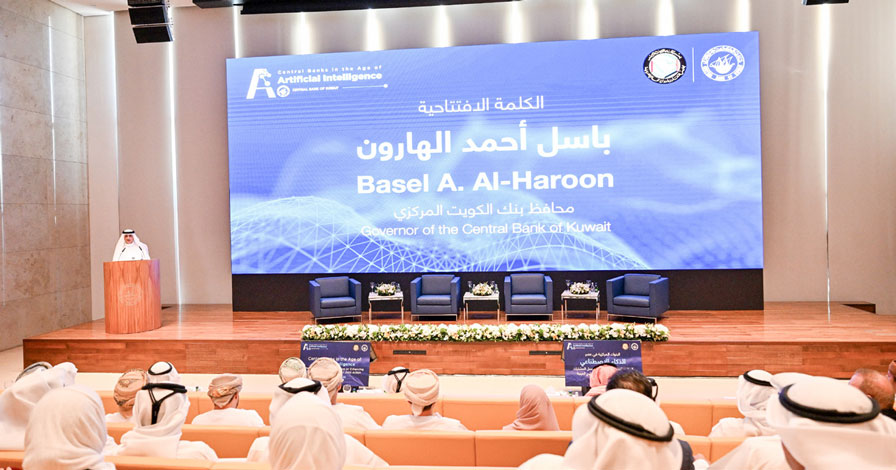
On 14 September 2025, the Central Bank of Kuwait (CBK) hosted the Second Annual Conference
on Enhancing the Gulf Cooperation Council (GCC) Joint Action within the framework of the Committee of the Governors of the Central Banks of the GCC countries. Held in Kuwait under the theme “Central Banks in the Age of Artificial Intelligence,” the event brought together GCC central bank governors, senior representatives of the Gulf banking sector, and international experts from institutions including the IMF, BIS, FSB, and Banque du Liban, alongside academics and global financial leaders.
Opening Speech of the Governor of the Central Bank of Kuwait Opening Remarks
In his opening speech, the Governor of the Central Bank of Kuwait, H.E. Basel Ahmad Al-Haroon, welcomed the participants and highlighted the significance of convening the conference at such a time. He said:
“It is my pleasure to welcome you to the opening of the Second Annual Conference on Enhancing the Gulf Cooperation Council (GCC) Joint Action within the framework of the Committee of Governors of the Central Banks of the GCC countries, which is being held this year in the State of Kuwait under the theme of ‘Central Banks in the Age of Artificial Intelligence’.”
The Governor affirmed the commitment to strengthen Gulf coordination, stressing:
“This conference affirms our commitment to strengthen Gulf coordination in building a resilient banking sector capable of adapting to the everchanging global landscape.”
He further noted the importance of the timing, stating:
“This conference is also held at a critical time, as the world is facing elevated geopolitical and economic challenges. These developments urge us to continually strengthen our analytical capabilities and refine our strategic planning, while remaining prepared through the careful and responsible adoption of AI technologies and their applications.”
Global Economic Context
Al-Haroon addressed the challenges facing the global economy in recent years, remarking:
“The past few years have witnessed deep shifts in the global economic landscape. The start of this decade, in particular, has been marked by an unprecedented surge in inflation, fueled by the surge in energy and food prices, along with severe disruptions to global supply chain, which prompted central banks to embark on the fastest monetary tightening cycle in an attempt to curb these inflationary pressures.”
He pointed to the consequences of these policies in 2024:
“Fast-forward to 2024, the repercussions of this tightening are becoming evident in both growth and trade, as global trade flows decelerate significantly against a backdrop of increasing protectionist policies and persistent geopolitical challenges, with elements of economic fragmentation taking hold. At the same time, financial markets have become increasingly sensitive to the growing geopolitical and economic developments. Interest rates, and exchange rates have shown heightened volatility, adding complexity to the task of monetary policymakers as they work to manage liquidity levels and mitigate prevailing risks.”
According to the Governor, this represents a new era for central banks:
“Against this backdrop, the new reality facing central banks today is neither situational nor transitory; it represents a structural shift and what can rightly be described as a ‘New Policy Reality’. Uncertainty has become a defining characteristic, and shocks have become increasingly interconnected, not only across geographical borders but also across different asset classes.”
This growing interconnectedness has shortened the time between the onset of economic disruptions and their direct impact on monetary policy decisions, demanding greater analytical agility and readiness to respond rapidly to emerging developments.
Artificial Intelligence as a Strategic Tool
Shifting focus to the role of technology, Al-Haroon stressed the importance of AI for central banks, saying:
“Amid this growing complexity, AI
emerges as a strategic tool capable of reshaping the role of central banks within an increasingly digital environment, one which is defined by vast data flows, the expansion of digital financial services, and the rise of technology-driven economic interactions.”
He elaborated on the benefits of AI:
“AI enables us to analyze massive volumes of unconventional data, anticipate behavioral shifts in the macroeconomy, model complex relationships between indicators, and enhance the effectiveness of institutional communication with markets.”
However, he cautioned against risks:
“Artificial Intelligence is not without its challenges and inherent risks, particularly in the absence of robust governance frameworks. It can exacerbate distortions in analytical models, create a false sense of certainty based on flawed models, or be used in unprotected environments that could threaten financial stability. For this reason, the utilization of AI cannot be left to chance, it must be deliberate and cautious, aligned with the central bank’s core mandate, and guided by the principle of responsible use.”
History has shown that when major technological waves advance unchecked, they often create gaps and imbalances, while gradual guidance enables a more sustainable transition. What is needed today is not the replacement of human judgement with AI, but rather the enhancement of that judgement through supporting AI tools.
Four Key Pillars
The Governor outlined a framework for responsible AI adoption, declaring:
“In light of this shifting landscape, adapting effectively to AI has become a strategic priority for central banks, emphasized by four key pillars.”
He explained:
“First, establishing a comprehensive governance framework covering data governance, risk management, cybersecurity, and compliance, to ensure responsible and transparent use.
Second, investing in institutional skills by building analytical and technical capabilities that enable stakeholders to understand and confidently interact with AI outcomes.
Third, creating a flexible regulatory environment that supports innovation and encourages disciplined implementation without compromising stability.
Fourth, deepening cooperation to enhance collective resilience against emerging risks.”
Closing Remarks
Al-Haroon concluded his remarks with a strong message on the urgency of action:
“The priorities presented today reflect operational requirements that cannot be postponed. They are driven by the profound and rapid transformations reshaping the global monetary landscape and our ongoing responsibility to safeguard financial stability.”
He also linked his address to the conference sessions:
“Against this backdrop, today’s conference includes two sessions that shed light on pivotal issues. The First Session discusses building resilient systems in a fragmented world, while the Second addresses the adoption of AI in central banks— from practical use to governance, aiming to enrich the discussion and formulate shared future visions that support sustainability and integration.”
Finally, he expressed gratitude:
“In conclusion, I would like to express my sincere gratitude and appreciation for your presence and active participation, and to extend my appreciation to our distinguished speakers for the valuable contributions they will be sharing. Hoping that the sessions of this conference will yield practical insights that benefit us all.”
The 85th Meeting of the Committee of the Governors of the Central Banks in the GCC Countries
The GCC Central Bank Governors held their 85th meeting in Kuwait on September 14, 2025, chaired by Basel Al-Haroon, Governor of the Central Bank of Kuwait. The meeting discussed global monetary developments, enhancing cooperation among GCC central banks, and the follow-up of joint Gulf initiatives. It also reviewed recommendations of the technical committees covering payment systems, banking supervision, modern financial technologies, cybersecurity, and efforts to combat money laundering and terrorist financing, reaffirming the committee’s role in promoting financial stability and supporting sustainable economic growth in the region.
BCG Study: Kuwait's Status as an “AI Practitioner” Presents Opportunities in Building a Future-Ready Ecosystem

Kuwait has been recognized as an “AI Practitioner” in a recent study by Boston Consulting Group (BCG). This positions the country among 30 forward-looking
economies actively integrating AI across key sectors, according to the report titled “GCC AI Pulse: Mapping the Region’s Readiness for an AI-Driven Future” by BCG.
The report, based on BCG’s 2025 AI Maturity Matrix, revealed that Kuwait has earned the designation of AI Practitioner alongside 30 economies worldwide, including Qatar, Bahrain, and Oman. The maturity matrix identified four economic archetypes based on their AI readiness, ranging from AI Emergents at the lower end of the scale, followed by Practitioners, then Contenders, and Pioneers at the high end. With GCC countries yet to achieve AI Pioneer status, which includes the likes of the US, UK, and China, the report highlights substantial opportunities for advancing AI readiness and leadership in the region.
Dmitry Garanin, Managing Director and Partner, BCG, said: “Kuwait’s commitment to integrating AI across pivotal sectors showcases a visionary stride towards digital transformation. The National AI Strategy underlines a significant ambition that, if supported by a concerted effort in skilling, policy innovation, and targeted investment, can transform Kuwait into a regional AI powerhouse. The challenge now is to evolve from strategy to execution, ensuring that initiatives like the AI Center of Excellence and enhanced data governance frameworks lead to tangible outcomes. Bridging the current gaps in investment and research is crucial for Kuwait, not just to catch up, but to lead.”
Building a Competitive Edge in the Digital Era
The Kuwait National Strategy for Artificial Intelligence, developed by the Central Agency for Information Technology (CAIT), outlines a comprehensive framework to responsibly harness AI for national development to help advance Kuwait’s AI goals under Kuwait’s Vision 2035. It emphasizes building a robust digital infrastructure, fostering AI talent, and ensuring ethical governance. The strategy aims to enhance public services, boost economic diversification, and position Kuwait as a regional leader in AI innovation. It also includes recommendations for policy, education, and collaboration with international partners to ensure sustainable and inclusive AI adoption across sectors.
Efforts to build AI capabilities include the National Skilling Program, which focuses on training government employees, though expanded initiatives are needed to cultivate a robust AI workforce. On policy and regulation, Kuwait is developing an AI governance framework to ensure ethical and responsible AI implementation. While there exists a $7 billion public fund for SMEs, it does not specifically allocate resources to AI, revealing the necessity of targeted financial investment.
To accelerate research and innovation, Kuwait plans to establish an AI Center of Excellence that fosters AI studies and collaboration between academia and industry, though additional measures are required to scale innovation. In terms of infrastructure, the country is enhancing its cloud and AI ecosystem, with Microsoft and Google Cloud spearheading efforts to build AI-powered data centers.
However, Kuwait’s progress across various AI dimensions remains uneven, as illustrated by key metrics: ambition scores the highest at 5, while investments and research lag at 0.67 and 0.33, respectively. To improve AI readiness, Kuwait needs to strengthen data governance, increase investments in startups, and intensify workforce development initiatives.
“Kuwait’s emergence as an AI Practitioner is a critical first step in the
broader journey towards becoming a leader in the AI domain. The stark contrast between its ambitious goals and the current state of skills, investment, and innovation underscores a pivotal moment for policy and decision-makers. By doubling down on developing a deep talent pool, fostering a vibrant AI startup ecosystem, and ensuring responsible AI deployment, Kuwait has the potential to set a benchmark for AI integration not only regionally but globally. The foundation is set; now is the time for bold, decisive action to leverage AI for sustainable growth,” said Dr. Lars Littig, Managing Director and Partner at BCG.
Approaches to Foster AI Maturity in the Gulf
BCG’s GCC AI Pulse report supports the strategic advancement of national visions aimed at enhancing countries’ global competitiveness. The expansion of the AI talent pipeline through dedicated upskilling programs and the acquisition of global talent will broaden the existing talent pool and infuse the regional market with international expertise and perspectives, critical for innovative leaps in AI.
In addition, governance structures must be realigned to better adhere to evolving AI ethics frameworks and international standards, ensuring responsible and sustainable AI development. Advancements in policies will solidify Kuwait’s reputation as a leader in ethical AI practices, a benchmark against which global counterparts are measured.
Moreover, there is significant room for intensifying research and development investments to foster stronger academia-industry collaborations. This will spur innovation and cement Kuwait’s position as a hub for cutting-edge technological advancements, matching and potentially surpassing global AI leaders such as the US, China, Singapore, the UK, and Canada in certain areas.
Kuwait’s Record Comeback to Global Debt Market $11.25bn Sovereign Issue Attracts $28bn in Global Demand
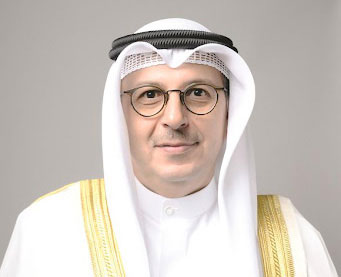
The State of Kuwait has made a highly successful return to the international debt capital markets with a landmark US$11.25 billion triple-tranche issuance, its first since 2017. The deal attracted overwhelming demand, pricing at some of the tightest spreads ever achieved by a sovereign issuer in emerging markets.
The issuance comprised US$3.25 billion 3-year, US$3.0 billion 5-year, and US$5.0 billion 10-year tranche. Final pricing landed at T+40 bps, T+40 bps, and T+50 bps respectively, materially tighter than Kuwait’s debut transaction in 2017.
The transaction was 2.5 times oversubscribed, with the orderbook peaking at US$28 billion. More than 66% of allocations went to investors outside the MENA region, including 26% into the U.S., 30% into Europe and the UK, and 10% into Asia, reflecting Kuwait’s deepening integration into global markets.
Dr. Dr. Sabeeh Abdulaziz Al-Mukhaizeem, Minister of Electricity, Water and Renewable Energy Acting Minister of Finance, Minister of State for Economic Affairs and Investments, said:
“This landmark issuance is a testament to the global market’s confidence in Kuwait’s fiscal strength, prudent policies, and enduring financial buffers. The scale of demand and competitive pricing achieved position Kuwait as a premier sovereign issuer. Beyond financing needs, this transaction reinforces Kuwait’s credibility in global markets and deepens our partnership with international investors as we advance our Vision 2035.”
The transaction ranks among the largest sovereign deals globally and amassed one of the largest orderbooks in 2025 year-to-date, underlining the trust of international investors in Kuwait’s solid credit fundamentals and long-term reform agenda.
The deal was led by Citi, Goldman Sachs International, HSBC, J.P. Morgan and Mizuho as Joint Global Coordinators, with Bank of China and Industrial and Commercial Bank of China acting as Passive Joint Lead Managers.
IMF Mission Concludes: Kuwait economy is recovering amid higher oil production and robust non-oil growth. The risks to the economic outlook are broadly balanced.
The International Monetary Fund (IMF) mission led by Francisco Parodi concluded its periodic preliminary consultations with Kuwait under Article IV of the IMF’s Articles of Agreement, following discussions with the authorities held September 15–22, 2025 in Kuwait City. At the conclusion of the mission, Mr. Parodi issued the following statement:
“The economy is recovering amid higher oil production and robust non-oil growth. Real GDP contracted by 2.6 percent in 2024, driven by a 6.9 percent fall in oil sector output due to OPEC+ production cuts, despite 1.8 percent non-oil growth supported by resilient private domestic demand. An incipient recovery is underway, with real GDP expanding by 1.0 percent (y-o-y) in 2025Q1. For 2025, real GDP is projected to expand by 2.6 percent, with the recent unwinding of OPEC+ production cuts increasing oil sector output by 2.4 percent, and non-oil growth rising to 2.7 percent on the back of stronger private domestic demand.
“Inflation continues to moderate, but lower oil prices are weighing on the fiscal and external balances. Headline CPI inflation declined to 2.9 percent in 2024, reflecting a fall in core CPI inflation to 2.4 percent. Headline CPI inflation is projected to moderate further to 2.2 percent in 2025, given gradually declining outturns so far this year (2.3 percent y-o-y in July) and projected stability in import prices for the remainder of the year. The fiscal deficit of the budgetary central government is projected to rise to 7.8 percent of GDP in FY2025/26, up from 2.2 percent of GDP in FY2024/25, primarily reflecting lower oil revenue. In parallel, the current account surplus is projected to moderate to 26.5 percent of GDP in 2025, down from 29.1 percent of GDP in 2024, mainly due to lower oil exports.
“Financial stability has been maintained. Supporting strong private domestic demand, growth in credit to the nonfinancial private sector is projected to increase to 6.1 percent in 2025, up from 5.2 percent in 2024, given its pace so far this year (6.7 percent y-o-y in July). Banks have maintained strong capital and liquidity buffers, while non-performing loans remain low.
“The risks to the economic outlook are broadly balanced. The economy is heavily exposed in the short-run to upside and downside risks from shifts in oil prices and OPEC+ production quotas, which could arise from fluctuations in global growth, geopolitical tensions or non-OPEC+ supply.
“Progress has been made with fiscal and structural reforms. The 15 percent CIT was extended to cover all large multinational companies in January 2025. Furthermore, a new Public Debt Law was enacted in March 2025, enabling the government to issue debt for the first time in almost a decade. Accelerating reform implementation is needed to promote economic diversification, enhance competitiveness, and boost non-oil growth.
“The IMF mission team thanks the authorities for their hospitality and the productive discussions. We look forward to continuing our dialogue and close collaboration.”
Fitch Affirms Kuwait at AA- Outlook Stable

Global rating agency Fitch Ratings has reaffirmed Kuwait’s Long-Term Foreign-Currency Issuer Default Rating (IDR) at ‘AA-’ with a Stable Outlook,” stating that the rating reflects a balance between Kuwait’s unparalleled sovereign wealth buffers and the persistent structural weaknesses and heavy dependence on hydrocarbons.
KEY RATING DRIVERS
Credit Fundamentals:
Kuwait’s ‘AA-‘ rating is supported by its exceptionally strong fiscal and external balance sheets, but is constrained by weaker governance than peers, heavy dependence on oil and its generous welfare system and large public sector, which could be a source of long-term fiscal pressure, despite spending rationalisation efforts. Prospects remain uncertain for meaningful structural reforms to reduce reliance on oil revenue, although legislation has been approved to allow debt issuance and improve fiscal financing flexibility.
Exceptionally Strong External Assets:
Kuwait’s external balance sheet remains the strongest of all Fitch-rated sovereigns. We forecast its sovereign net foreign assets will rise to 607% of GDP in 2025, from an estimated 576% in 2024, more than 10x the ‘AA’ median. The bulk of assets are held in the Future Generations Fund managed by the Kuwait Investment Authority (KIA), which also manages the assets of the General Reserve Fund (GRF), the government’s treasury account.
Reform Efforts Continue, Albeit Gradually:
The government has begun implementing reforms that had stalled under previous administrations due to legislative gridlock, which ended when the Amir dissolved parliament in May 2024. The authorities are prioritising spending rationalisation and plans to introduce a residential mortgage law that would ease borrowing constraints and support growth, are at an advanced stage. However, a significant overhaul of generous public wages and welfare spending (41% of GDP; 81% of expenditure) is unlikely, given the state’s deep-rooted generosity towards its citizens and supportive oil prices.
New Debt Law Approved:
The government has approved a long-delayed financing and liquidity law, allowing debt issuance for the first time since the previous law expired in 2017. The new law outlines plans to raise KWD30 billion (about USD100 billion), equal to about 60% of GDP over the next 50 years. This will help alleviate pressure on the GRF, support the development of local capital markets, establish a benchmark yield curve and support development projects. Since June 2025, the authorities have issued about KWD1.2 billion (2.4% of GDP) in the domestic market.
Lower Non-Oil Revenue Than Peers:
Non-oil revenue (excluding investment income) remains lower than most GCC countries, averaging about 8% of non-oil GDP in 2022-2024 compared with the GCC median of 10.2%. This underscores Kuwait’s relatively slow pace of diversification from oil compared with its regional peers.
The government introduced a 15% domestic minimum top-up tax on multinational companies, effective from 1 January 2025, in line with OECD Pillar 2 requirements, with collections (0.5% of GDP annually) expected to commence by 2027. However, we believe that extending this to domestic companies and introducing VAT, in line with the 2017 Gulf Cooperation Council (GCC) agreement, are unlikely in the short term. The authorities also plan to introduce the long-delayed GCC excise tax in the fiscal year ending March 2027 (FY26), which is estimated to generate KWD250 million a year (0.5% of GDP), but further delays are possible.
Reported Budget Balance to Deteriorate:
Fitch’s budget calculations include an estimate for the KIA’s investment interest income, which is not officially disclosed. Including an estimate for investment interest income, we project a surplus of 10% of GDP in FY25, up from 8.9% in FY24. Under the government’s reporting convention, which excludes KIA’s investment interest income in revenue, we expect the budget deficit to widen to 5.6% of GDP in FY25 (from 2% in FY24), compared with the projected ‘AA’ median of 2.6%, despite spending rationalisation efforts.
We expect expenditure to rise, largely reflecting the government’s drive to execute delayed capital projects, but to remain below 51% of GDP. Revenue will continue to decline due to a drop in oil revenue from lower prices, although the OPEC+ decision to unwind production quotas from 2Q25 should mitigate this loss. We project a
drop of about 3% of GDP over FY24, with non-oil revenue rising modestly. Our FY25 forecast assumes about 70% of the deficit will be financed through domestic and external borrowing, with the remainder covered by GRF assets.
Low Government Debt:
Fitch expects the resumption of debt issuance, combined with projected fiscal deficits and lower oil prices, to increase government debt/GDP from 2.9% in FY24 to nearly 12% in FY27. Nonetheless, we expect debt to remain well below the projected 2027 ‘AA’ median of 52.4% of GDP.
Oil Assumptions:
We forecast Kuwait’s average oil price at USD69.9/barrel (b) for FY25, down 11% from FY24, and falling further to USD66.1/b in FY26, while crude oil output will rise by 2% to 2.46mmb/d in FY25, as OPEC+ eases constraints, and by 3.2% to 2.54mmb/d in FY26. Over 80% of government spending consists of sticky current spending, including salaries and subsidies, with a similar proportion of Kuwaitis employed in the public sector. We expect Kuwait’s fiscal break-even oil price (excluding investment income) will remain high at USD81/b in FY25 (USD83/b in FY24), with the non-oil primary deficit/non-oil GDP remaining weak at 70%, worse than regional peers.
GDP Growth Recovers, Lower Inflation:
We expect real GDP to return to growth in 2025, expanding by 1.7%, after two consecutive years of contraction driven by OPEC+ oil production cuts. We forecast annual inflation will remain below 3% in 2025- 2027, although the central bank may be cautious about additional rate cuts given rising geopolitical risks.
Regional Stability Risks, Oil Dependence:
Conflicts in the Middle East and disruptions to Red Sea shipping have had a minimal impact on Kuwait, which has large government assets that provide a important buffer to support the economy if tensions were to escalate. However, hydrocarbon dependence weighs on Kuwait’s rating, rendering budgetary outcomes highly sensitive to oil prices. A USD10/b change in our oil price assumption for 2025 would affect the budget balance by about 4% of GDP, all else being equal. A change of 100,000b/d of production affects the budget by 1.4% of GDP.
Kuwait has an ESG Relevance Score (RS) of ‘5[+]’ for Political Stability and Rights and the Rule of Law, Institutional and Regulatory Quality and Control of Corruption. These scores reflect the high weight that the World Bank Governance Indicators (WBGI) have in our proprietary Sovereign Rating Model. Kuwait has a medium WBGI ranking at 54, reflecting low scores for voice and accountability, and middling scores across other governance indicators.
RATING SENSITIVITIES
Factors that Could, Individually or Collectively, Lead to Negative Rating Action/Downgrade
– Structural Features: A geopolitical shock that negatively affects economic, social or political stability.
– Public and External Finance: Significant deterioration in the fiscal and external positions, for example, due to a sustained period of low oil prices or an inability to address structural drains on public finances.
Factors that Could, Individually or Collectively, Lead to Positive Rating Action/Upgrade
– Structural Features/Public Finances: Strong evidence that Kuwait’s institutions and political system can implement structural reforms to sustainably reduce dependence on oil as a source of fiscal revenue.
Conclusion:
Kuwait’s ‘AA-’ rating is supported by exceptionally strong fiscal and external balance sheets, but constrained by weaker governance, oil dependence, and a large welfare-oriented public sector. “Prospects remain uncertain for meaningful structural reforms to reduce reliance on oil revenue.
At the end of June 2025 against the end of June 2024 Total assets of local banks grew 9.8% to KWD 97.28 billion

The Central Bank of Kuwait issued the monthly bulletin recaps on the key monetary and banking developments in the State of Kuwait as at the end of June 2025 compared to the comparative month of the previous year as follows:
1- Monetary Developments (Money Supply)
1- Money Supply (M1):
Money Supply in its Narrow Sense “Narrow Money” (M1) grew by KWD 0.57 billion (5.4%) to KWD 11.11 billion at the end of June 2025 against KWD 10.54 billion at the end of the comparative month of the previous year.
This was primarily attributed to increases in both KWD sight deposits by KWD 0.51 billion (5.7%) to KWD 9.44 billion, and the currency in circulation outside the local banks by KWD 0.07 billion (4.1%) to KWD 1.68 billion.
2- Money Supply (M2):
Money Supply in its Broad Sense (M2) increased by KWD 1.88 billion (4.7%) to KWD 41.98 billion at the end of June 2025 against KWD 40.10 billion at the end of the comparative month of the previous year. This gain resulted from the rise in Quasi-Money (KWD saving deposits, KWD time deposits and deposits in foreign currency) by KWD 1.31 billion (4.4%), and the growth of Narrow Money (M1) by KWD 0.57 billion (5.4%).
Considering the combined monetary survey of CBK and the local banks, (M2) can be calculated according to the factors affecting it, namely (a) Net Local Assets (that include net claims of CBK and local banks on government, public institutions and private sector less government’s deposits and accounts, and other “net”), and (b) Net Foreign Assets with CBK and local banks.
The relevant data indicate that the rise in M2 by the end of June 2025 was driven by the increase in net foreign assets by KWD 1.15 billion, i.e., 4.4% (as net foreign assets with local banks increased by KWD 1.24 billion (9.3%), while net foreign assets with CBK declined by KWD 0.09 billion, i.e., 0.7%), and the net local assets by KWD 0.73 billion, i.e., 5.2%.
1- Banking Developments (at the Activity Level of Local Banks and their Branches Inside the State of Kuwait)
1- Local Banks’ Assets:
Local banks’ total assets grew by KWD 8.70 billion (9.8%) to KWD 97.28 billion at the end of June 2025 against KWD 88.59 billion at the end of the comparative month of the previous year. This
was driven by the rise in foreign assets by KWD 5.04 billion (19.8%) to KWD 30.54 billion, claims on private sector by KWD 2.97 billion (6.4%) to KWD 49.11 billion, local interbank deposits by KWD 0.62 billion (40.2%) to KWD 2.16 billion, claims on government by KWD 0.45 billion (114.0%) to KWD 0.84 billion, claims on public institutions by KWD 0.13 billion (3.6%) to KWD 3.73 billion, and loans to banks by KWD 0.07 billion (7.1%) to KWD 1.11 billion. On another front, claims on CBK (which include cash in local banks vaults, sight deposits, time deposits and related tawarruq, and CBK bonds and related tawarruq) declined by 10.2%.
Claims on the private sector represent the main source of local banks’ assets. These claims accounted for 50.5% of the local banks’ total assets at the end of June 2025 against 52.1% at the end of the comparative month of the previous year followed by the foreign assets accounting for 31.4% of the local banks’ total assets at the end of June 2025 against 28.8% at the end of the comparative month of the previous year.
It is worth mentioning that the rise in foreign assets came from the rise in foreign investments, the balances of credit facilities to non-residents, deposits with foreign banks, and other assets by 24.7%, 23.9%, 19.2%, 16.6%, respectively, on one hand, and the decline in loans to foreign banks by 5.3%, on the other.
On another front, data indicate that net foreign assets with local banks increased by KWD 1.24 billion (9.3%) to KWD 14.57 billion at the end of June 2025 against KWD 13.33 billion at the end of the comparative month of the previous year due to the increase in foreign assets by KWD 5.04 billion (19.8%), on one hand, and the decrease in foreign labilities by KWD 3.80 billion (31.2%), on the other.
2- Sectoral Allocation of the Cash Portion of Credit Facilities to Residents:
The utilized cash portion of the credit facilities to residents increased by KWD 3.05 billion (6.3%) to KWD 51.69 billion at the end of June 2025 against KWD 48.65 billion at the end of the comparative month of the previous year. The utilized cash of the credit facilities to businesses and personal credit facilities accounted for 78.6% and 21.4%, respectively, of the increase in the total utilized cash portion of the facilities extended to residents. In more detail, the utilized cash portion of credit facilities to businesses (62.1% of the overall facilities to residents) increased by KWD 2.39 billion (8.1%) to KWD 32.12 billion at the end of June 2025 against KWD 29.72 billion at the end of the comparative month of the previous year.
This increase was mainly driven by the rise in the utilized portion of credit to the purchase of securities “individuals, companies and institutions” (KWD 0.87 billion, i.e. 24.3%), real estate and construction (KWD 0.75 billion, i.e. 6.0%), other services (KWD 0.41 billion, i.e. 11.8%), trade (KWD 0.30 billion, i.e. 8.4%), and non-bank financial institutions (KWD 0.07
billion, i.e. 4.6%)
Conversely, there was a decline in the cash portion of credit allocated to crude oil & gas (KWD 0.08 billion or 4.7%), in addition to a contraction in public services by 5.2% at the end of June 2025 compared to the comparative month of the previous year.
3- Residents’ Deposits with Local Banks:
The total residents’ deposits increased by KWD 2.06 billion (4.2%) to KWD 51.35 billion at the end of June 2025 against KWD 49.30 billion at the end of the comparative month of the previous
year amid the increase in the total private sector’s “deposits (resident) by KWD 1.82 billion (4.7%) to KWD 40.31 billion at the end of June 2025 against KWD 38.49 billion at the end of the comparative month of the previous year, public institutions’ deposits by KWD 0.79 billion (13.5%) to KWD 6.65 billion at the end of June 2025 against KWD 5.86 billion at the end of the comparative month of the previous year, on one hand, and the decline in government’s deposits by KWD 0.55 billion (11.2%) to KWD 4.40 billion at the end of June 2025 against KWD 4.95 billion at the end of the comparative month of the previous year, on the other hand.
Private sector deposits are the primary source of financing for local banks (41.4% of the local banks’ total liabilities at the end of June 2025). Nevertheless, public institution deposits and government deposits accounted for 6.8% and 4.5% of the local banks’ total liabilities, respectively, at the end of June 2025.
4- Value of Transactions Using Plastic Cards:
The total value of transactions using plastic cards reached KWD 11.47 billion at the end of the second quarter of 2025 (of which, KWD 10.72 billion by using plastic cards in the State of Kuwait, and KWD 0.75 billion abroad) against KWD 12.10 billion at the end of the comparative quarter of the previous year, i.e., a decline of KWD 0.62 billion (5.2%).
This is mainly attributed to the decline in online transactions (by KWD 0.44 billion, i.e., 9.0% to KWD 4.42 billion), Automatic Teller Machines (ATMs) transactions (by KWD 0.27 billion, i.e.,
10.5% to KWD 2.26 billion) on one hand, and the rise in point of sales transactions (by KWD 0.08 billion i.e., 1.7% to KWD 4.79 billion) on the other.
The value of WAMD transactions reached KWD 2.0 billion at the end of the second quarter of 2025 with an increase of KWD 0.04 billion, i.e., 24.8% compared to the first quarter of 2025.
Kuwait Stock Exchange: Its Current Status and Promising Future
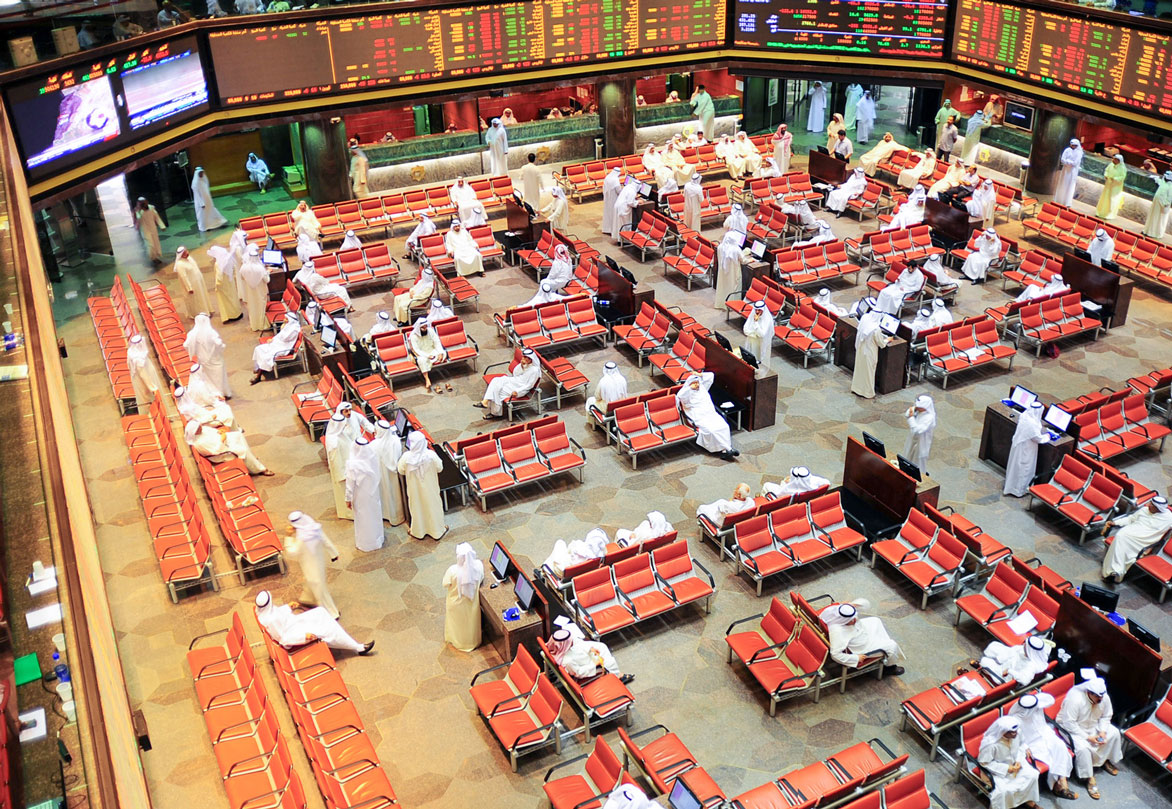
The Kuwait Stock Exchange (KSE), which was established in 1977, is a relatively old market, situated in the Gulf Cooperation Council (GCC) countries. It has undergone a series of transitional stages to reach its current advanced form. The Kuwait Stock Exchange (KSE) currently operates under regulatory laws that are among the best in the world in terms of their disclosure, transparency, effective and secure settlement, safe clearing systems, and advanced trading platforms, all of which are designed to meet the needs of both local and foreign investors. KSE is supervised by the Capital Markets Authority (CMA) in Kuwait, which ensures compliance with the laws and regulations, as well as the application of governance standards based on the best global practices, in line with the advanced standards achieved by the Kuwait Stock Exchange, which qualified it for inclusion in the indices of emerging stock markets by FTSE, S&P, and MSCI. As a result of these developments, KSE has attracted more foreign investors worldwide, and its listed companies consistently achieve high profits each year.
The Kuwait Stock Exchange (KSE) has continued to attract more foreign investors yearly; for example, the value of the shares traded by foreign investors during the period from January to the end of June of 2025 amounted to 552 million KD, compared to 1.5 million KD for the same
period in 2024. This represents an increase of 606% and undoubtedly reflects the confidence of foreign investors in the shares traded on the Kuwait Stock Exchange. The main factors behind this increase are the profits achieved, with a total market capitalisation of approximately KD 50.5 billion. Moreover, the remarkable cash flows into the market, estimated at approximately KD 15.1 billion, represent a 101% increase compared to the same period in 2024. The average daily trading value rose to KD 108 million, compared to KD 53 million in the previous year. Opportunities for investors are available, and the market continues to achieve sustainable growth rates, driven by the profits of listed companies. A settled economic environment and a strong, stable economy characterise the State of Kuwait.
Kuwait Stock Exchange’s Performance
The Kuwait Stock Exchange witnessed remarkable growth in 2025, as the Kuwait Stock Exchange Index (KSEI) rose at the end of June of 2025 by 21.8%, with an increase in the number of traded shares and its total value of 41.1% and 47.3%, respectively, compared with the end of June 2024. Figure 1 indicates the stability of the growth rates of KSEI during the period from 2019 to June 2025, except for 2020, when most of the stock exchanges around the world witnessed a decline in their indices, due to the COVID-19 pandemic. The KSEI indicates that it is rapidly recovering and returning to growth at a stable pace. Figure 2 shows the volume and value of traded shares from 2019 to 2024.
On the other hand, 137 of the 142 companies that were listed on the Kuwait Stock Exchange for 2024 announced their overall results, with total net profit of KWD 2.8 billion, including 27 companies that announced the distribution of cash dividends and bonus shares, while 49 companies announced the distribution of their cash dividends only, and only 12 companies announced the distribution of their bonus shares only (AlShall Consulting, weekly economic report, volume 34 – Issue 53 – 5th of January 2025). The banking and financial services that are listed on the Kuwait Stock Exchange are among the most dynamic and expanding sectors in terms of profits, trading rates, and liquidity. In 2024, the banking sector led in terms of traded share value, accounting for approximately 60% of the total, which was valued at KWD 2 billion. This was followed by financial services, which accounted for approximately KWD 1.1 billion (11%). Kuwaiti banks achieved profits during the first half of 2025 of 882.24 MKWD compared to 783.137 MKWD for the same period in 2024 (a 12.6% increase). The Finance House was ranked first with the highest profit rate, amounting to 342.15 MKWD, followed by the National Bank of Kuwait, with the equivalent of 341.2 MKWD, then the Boubyan Bank, with 52.3 MKWD.
The high demand and trading in shares of the banks and financial services’ stocks reflect the strength and performance of these companies, which the Central Bank of Kuwait supervises. These companies play a pivotal role in the Kuwaiti economy, have a solid financial standing, and are growing sustainably, following internationally recognised best professional practices.
Kuwait Stock Exchange’s performance VS regional stock exchanges
It may be appropriate to compare the performance of the Kuwait Stock Exchange with that of the regional stock exchanges for 2024. The Kuwait Stock Exchange’s performance was ranked second after the Dubai Stock Exchange in terms of price index performance. The Dubai Stock Exchange index rose by approximately 27% at the end of 2024 compared to 2023, whereas the Kuwait Stock Exchange index rose by 5%. As for the rest of the Gulf stock exchanges, the index of the Muscat, Saudi Arabia and Bahrain stock exchanges all rose by 1% each, while the Abu Dhabi and Qatar stock exchanges witnessed a decline in their indices, amounting to around 1% each (Table 2 and Figure 5).
However, data published by Arqaam Business Info, a company specializing in publishing economic and financial information, indicate that the Kuwait Stock Exchange achieved the highest increase in its index
Conclusion
The article aims to highlight that the Kuwaiti stock market offers a safe, promising investment channel. Kuwait enjoys political stability and a strong economy, which has led to a noticeable increase in the stock market’s role within the local economy. It may be appropriate to invite foreign investors and sovereign funds to invest in the State of Kuwait, which has begun to implement a strategy comprising mega projects and significant investment opportunities within the framework of the Kuwait Vision 2030.
World Economy & Difficult Times

Investors all over the world ponder about the feasibility of any investment project nowadays. The tariff storm which initiated by President Donald Trump created economic uncertainty in major industrial countries. Japan, China, South Korea and Germany which depend on exports and consider the Unites States as the biggest export market had to rethink their economic strategies. Major companies such as Motor Companies must realize the impact of the new high tariffs on the marketing of their brands in the important US market. US consumers will bear the rising costs of any imported items.
Monetary Policies:
The real question is how the economic policies of the US Administration will be reflected on the rate of growth in the US and other major economies such as the European Union, Japan, China, South Korea and elsewhere. Such concern will be an important issue for Central Banks and will have an impact on monetary policies. The current policies seem to be very cautious due to the fear of a new inflation wave. However, politicians including Trump suggest that the Federal Reserves must lower the rate to induce growth and encourage investors and major companies to expand their activities.
Although Central Banks in Europe and England seem to accept the argument the Federal Reserve Board is still reluctant and believes that they must see inflation at the targeted 2% level before any decision on lowering the discount rate.
US and China Paradox:
However, reading economic data, one can find a paradoxical situation. The US economy in mid-2025 shows strong job growth. Also, there is a rebound in the financial markets. Although consumer spending indicates deceleration real consumption expenditures rose 1.2% at an annual rate during the first quarter of 2025. Projection for rate of growth for this year is in the range of 1.5 to 1.8%. Such rate of growth may not look rosy, but it is still positive in a fluid economic situation.
China may not be in a healthy situation. The Chinese economy may be paying now for the rapid rate of growth and expansion of all sectors in the last few decades. There is the chronic expansion of the real estate
market which has created a glut in the housing sector. Many companies are facing huge amounts of debts which are reflected as a serious exposure to the banking sector. The Chines authorities are trying to defuse this crisis by encouraging families to acquire housing units while most young people are not enthused to marry or have children. At the same time apparently although China succussed in being the World Major Exporter, it failed to develop a strong domestic consumer spending. UNDP, consider 3.9% of the population in China multidimensional poor and 17.4% are vulnerable to poverty.
In the current trade war, it is important to measure the impact of any tariff agreement between China and the United States due to the significance of the size of their economies. The US GDP is expected to be $ 30.5 trillion in 2025 while the Chinese economy can have a GDP of $ 19.2 trillion. Other major economies are important for the viability of the world economy, but those economies will be impacted by what happens in the United Stated and China. We must also consider the political and security risks facing many countries and region such as the war between Russia and Ukraine and Israeli war on Gaza.
Oil Economy:
Arab Gulf States are anxious about the state of the oil economy. There have been talks in the major consuming countries about the need to reduce dependance on oil and gas to protect the environment and help the fight against global warming. Although it will take a few decades to achieve the targets of the Paris Conference on climate change, there are issues that push oil prices down. Economic decline in places like China can affect oil revenues in all oil producing countries. Gulf States, although some of them managed to diversify their economies, the oil revenues will still represent the main sovereign income.
Restructuring:
Gulf States will have to reconsider the structure of their economies. The reliance on government expenditures must come to an end or at least do the necessary thing to rationalize the spending. Privatization of major utilities, electricity, water desalination, communication and other activities managed by the states must be rendered to the private sector. Many Gulf States were able to take major steps toward privatization such as Saudi Arabia, UAE, Bahrain and Oman. Kuwait must put more efforts and allow the private sector to play a major role in the process of economic reforms. Saudi Arabia and the UAE were able to attract foreign direct investments in the last few years.
The Importance of Banking Sector:
The banking sector in the Guld States became an important catalyst in the region’s economy. It is estimated that this sector has assets that are valued at $ 3.5 trillion at the end of 2024. When real reforms take place many local and regional banks will find a good room in the credit market.
There are sectors that can be attractive, of which is the housing sector, which is dependent on government finances in many Gulf Countries. The introduction of Real Estate developers will avail opportunities for the banks to provide finances.
External Debts:
A major issue facing many countries in MENA region is external debts. Two important countries, Turkey and Egypt have accumulated huge amounts of debts during the past few years. Turkey has around $ 450 billion of external debts which is affecting its ability to stabilize its currency. Of course, the authorities used the loans to spend on infrastructure projects and other mega projects which enabled modernization and raised the quality of many cities. However, the government must balance its Act and adapt rational monetary policies to fight inflation and control the depreciation of the currency.
Egypt also has a huge debt, around $ 165 billion. It also endeavored in the development of a new capital with all what entails of infrastructure and administrative buildings and modern telecommunications.
The IMF has been around to advise Turkey and Egypt and many other countries in the region such as Lebanon and Jordan. To apply IMF prescription may face opposition or resistance from many sections of population in the concerned countries but what other options do the government have to deal with debt servicing? It remains to be seen how the world economy will go through the current difficulties and realize meaningful economic growth and an acceptable inflation rate.
Kuwait Upgraded to Tier 2 in U.S. Trafficking Report: Regional Context and Business Implications
Kuwait has been upgraded from the Tier 2 Watch List to Tier 2 in the U.S. Trafficking in Persons (TIP) Report, signaling stronger anti-trafficking efforts and a clearer enforcement posture. The designation means the government does not yet fully meet minimum standards but is making significant and increasing efforts, including more investigations and prosecutions, expanded victim-protection measures, and a multi-year national plan.
Kuwaiti officials welcomed the move, framing it as recognition of tangible reforms over the past year, including stepped-up investigations and prosecutions, expanded victim-protection programs, and a multi-year national action plan. New institutional measures—such as specialized prosecutorial capacities and tighter controls around recruitment and wage practices—were highlighted as part of the broader policy shift.
- Key Drivers of the Upgrade
- Legislative Reform and Institutional Strengthening
Kuwait introduced a new residency law and amendments to labor legislation in late 2024 and early 2025, criminalizing visa trading and tightening penalties for withholding wages or confiscating passports. A dedicated prosecution unit for trafficking and migrant-smuggling crimes was also established, enhancing judicial follow-through and deterrence.
- National Action Plan (2025–2028)
The government rolled out a comprehensive National Action Plan aligned with international standards. It focuses on four pillars: prevention, protection, prosecution, and partnership. The plan provides measurable targets, unified data collection, and clear accountability between ministries and the Public Authority for Manpower.
- Enhanced Victim Protection and Support Services
Kuwait expanded its shelter capacity, streamlined victim referral systems, and introduced new multilingual hotlines. These mechanisms strengthen the humanitarian dimension of enforcement and demonstrate systemic support rather than ad hoc responses.
- Increased Prosecutions and Awareness Campaigns
Authorities reported a notable rise in investigations and prosecutions of labor exploitation cases. Awareness initiatives targeting recruitment agencies, employers, and workers, particularly in domestic and construction sectors—fostered better reporting and compliance.
- Regional and International Cooperation
Kuwait has intensified coordination with GCC labor-source countries and international organizations to monitor recruitment flows and implement ethical recruitment standards. This collaboration signals sustained commitment to systemic change rather than short-term compliance.
- Gulf context
The move places Kuwait in line with most GCC peers—Saudi Arabia, the UAE, Qatar, and Oman— assessed at Tier 2, while Bahrain remains at Tier 1. For regional investors who compare compliance baselines across markets, Kuwait’s shift narrows earlier perception gaps and aligns the country with the Gulf’s “middle band.”
- Why it matters for business
- Supply chains and procurement. Companies operating in Kuwait—especially in construction, facilities services, hospitality, and logistics—should expect higher expectations from buyers and lenders around wage documentation, recruitment-fee controls, worker housing standards, and zero passport retention. Clearer enforcement lowers reputational and legal exposure across contractor tiers.
- Financing and ESG. Many banks, export-credit agencies, and institutional investors fold TIP tiering into human-rights due diligence. An improved standing can reduce non-financial risk flags, easing credit-committee concerns and supporting financial close for cross-border projects that touch Kuwait.
- Cross-border contracting.
Western public buyers and global retailers increasingly embed modern-slavery clauses and TIP-aligned warranties in their contracts. Tier 2 status makes Kuwait-based suppliers a cleaner fit for these frameworks than last year, potentially reducing exception requests and extra monitoring.
- Opportunities—and the test ahead
- Competitive upside: The upgrade strengthens Kuwait’s comparative pitch for regional mandates and global sourcing decisions, particularly where clients apply uniform human-rights screens across the GCC.
- Execution risk: The durability of the gain hinges on sustained investigations, convictions, and victim services. Transparent publication of outcomes will determine whether risk premia continue to fall—or snap back—in future cycles.
- What companies should do now (quick checklist)
- Refresh supplier due diligence (tiers 1–3): map labor brokers, audit recruitment fees, verify on-time wage payments, and confirm no document retention.
- Update employment contracts and policies: prohibit retention of passports, guarantee timely payroll, provide multilingual disclosures, and maintain anonymous grievance channels.
- Train supervisors and site managers: identify trafficking indicators, escalate through defined referral mechanisms, and document responses.
- Evidence, not just policy: maintain logs, payslips, housing inspections, and corrective-action records ready for client or lender audits.
- Embed modern-slavery clauses: include audit rights, cure periods, and termination for cause tied to human-rights violations.
- Government–business interface (what to watch)
- Continued case outcomes that demonstrate deterrence.
- Open data on identified victims, prosecutions, and convictions to support investor due diligence.
- Ongoing modernization of recruitment and labor-brokerage practices to eliminate abusive fees and improve traceability.
- Kuwait’s elevation to Tier 2 marks a significant governance milestone that strengthens its international image, aligns it with Gulf peers, and improves its attractiveness for responsible investment. For businesses, it signals a safer, more compliant, and more transparent environment—one where social responsibility and competitiveness increasingly move in tandem.
Building Kuwait’s Future: Turning Resources into Sustainable Growth

Kuwait stands at a pivotal inflection point. The country’s resource endowment and strategic geography provide a formidable foundation, yet the next stage of prosperity must rest on productivity, innovation, and institutional excellence. The policy question is how to convert sovereign financial strength into engines of private investment, human capital formation, and exportable capabilities. Doing so requires a deliberate shift in the growth model—from state-led spending to market-led value creation—without compromising social cohesion or macroeconomic stability. This is not a choice between the old and the new economy; it is a disciplined orchestration of both, where oil wealth underwrites the transition while non-oil sectors expand the nation’s productive frontier.
Although the path to balanced development and sustainable growth is long and complex, the opportunity remains open—and Kuwait’s capacity to deliver is
intact. With solid fiscal strength, a resilient banking system, a skilled population, and upgradeable infrastructure, Kuwait is equipped to execute. The task now is to convert wealth into productivity, institutions into engines of delivery, and technology into practical gains for citizens and firms through focus, consistency, and disciplined implementation. Aligned in this way, distance becomes momentum—clear evidence that the window has not closed and that Kuwait is ready to realize the transformation it envisages.
From Oil Wealth to Productive Wealth
For decades, hydrocarbon revenues financed world-class living standards, infrastructure, and generous public services. That model delivered stability and opportunity, but it also created structural imbalances: a large public wage bill, a narrow export base, and limited incentives for firms to invest in innovation. Turning “financial wealth” into “productive wealth” means channeling public savings into assets that raise economy-wide productivity—skills, technology, and internationally competitive firms.
A practical approach starts with catalytic public investment that crowds in private capital rather than crowds it out. Sovereign co-investment can de-risk first-mover projects—advanced logistics parks, smart grids, clinical research networks—while sunset clauses and performance triggers ensure the private sector eventually takes the lead. Equally important is the creation of intangible assets: rigorous standards, interoperable data, and trusted certification frameworks that lower transaction costs and open markets. Over time, this mix builds an ecosystem where returns come increasingly from ideas and capabilities, not only from commodities.
Strategic Sectors with High Multipliers
Diversification should be targeted where Kuwait’s advantages compound. Logistics is a natural candidate: the northern Gulf location, combined with modern ports and efficient customs, can anchor a distribution and light-processing hub serving regional supply chains. As logistics times fall and predictability rises, manufacturers and e-commerce platforms can treat Kuwait as a reliable base for value-added operations, not just transshipment.
Financial services—especially Islamic banking and capital-market platforms—are another multiplier. With robust regulation, open-banking rails, and high-assurance data centers, Kuwait can deepen savings intermediation, price risk more effectively, and finance scale-ups across the region. In energy, the goal is not to abandon hydrocarbons but to move downstream into higher-value petrochemicals while investing in cleaner processes and grid modernization. Complementary service sectors—health, education, professional and creative services, and niche tourism—can reduce import leakage, lift service quality, and create knowledge jobs when paired with credentialing, research linkages, and procurement that rewards outcomes.
Infrastructure as a Competitive Platform
Infrastructure should be managed as an integrated productivity platform rather than a set of standalone projects. In transport, port expansions only deliver if connected to bonded dry ports, digitized customs, and reliable
hinterland links. Digital twins for ports and highways can optimize flows, cut dwell time, and improve asset maintenance. In power, incremental investments in generation efficiency, storage pilots, and regional interconnections can reduce peak burdens and fuel costs while improving resilience to shocks.
Water security is central to competitiveness and livability. Efficiency gains in desalination, intelligent leakage detection, and wastewater reuse protect scarce resources and stabilize industrial planning. The digital backbone—ubiquitous fiber, dense 5G, sovereign-grade cloud zones, and trusted identity—enables low-marginal-cost scaling of everything from telemedicine and fintech to e-government. When these networks are run to service-level guarantees with transparent dashboards, they become an exportable brand: Kuwait as a place where goods, data, and ideas move reliably.
A State that Enables—Not Crowds Out
A modern state creates conditions for enterprise rather than substituting for it. This means regulations that are clear, proportionate, and consistently enforced. Licensing should be predictable and time-bound; compliance should be risk-based rather than box-ticking; and dispute resolution should be rapid and rules-anchored. Public procurement is the fastest lever to change market behavior: standard model contracts, reasonable risk-sharing, faster award cycles, and performance-based payments invite top-tier bidders and reduce overruns.
Public-private partnership (PPP) frameworks work best when pipelines are transparent and bankable. Governments should publish standardized term sheets, tender calendars, and post-award performance data. Budgeting should be tied to outcomes: reducing logistics costs, raising test scores, cutting hospital waiting times, and increasing SME export intensity. When citizens and firms can see progress in plain numbers, confidence follows— and with confidence comes investment.
Financing the Transition
Sovereign strength and a healthy banking system are strategic assets, but the transition will require diversified instruments. Blended finance vehicles can de-risk first-of-a-kind projects in renewables, green hydrogen pilots, water reuse, and industrial decarbonization. Green and transition sukuk—grounded in credible taxonomies and audited impact metrics—can mobilize domestic savings and international capital at scale. At the firm level, revenue-based finance, export credit, and patient equity help SMEs bridge the “valley of death” from prototype to scale.
Deepening capital markets
complements bank intermediation. Listings of high-performing state-owned subsidiaries, REITs for logistics and social infrastructure, and infrastructure trusts broaden participation and improve governance. Over time, a more complete financial stack lowers the cost of capital, lengthens investment horizons, and provides entrepreneurs with instruments suited to their risk profiles.
Human Capital as the Engine of Growth
People are the ultimate renewable resource. Education reform should emphasize foundational literacies—analytical writing, numeracy, digital fluency— alongside project-based learning that builds problem-solving, teamwork, and creativity. Partnerships between schools, technical institutes, and employers can align curricula with labor-market needs, while apprenticeships and dual-education models speed the school-to-work transition.
For the existing workforce, micro-credentials and stackable certificates enable mid-career pivots into logistics operations, cybersecurity, healthcare tech, and green jobs. Incentives for firm-level training—matched funding, wage support during upskilling—help spread a culture of continuous improvement. Policies that expand women’s economic participation— affordable childcare, flexible work, leadership pathways—unlock a large reservoir of talent and stabilize household incomes. The return on human capital compounds over time; it is the cornerstone of a resilient middle class.
Digital Transformation with Guardrails
Digitalization multiplies impact when platforms are interoperable and trustworthy. “Government as a platform” means single sign-on, secure digital identity, consent management, and registries that follow the “once-only” principle— citizens and firms submit data once, and services flow around life and business events. Open banking—standardized APIs, credentialed third parties, and accountable data sharing—raises competition in payments and lending and improves SME cash-flow tools.
Trust requires robust guardrails: proportionate cybersecurity standards, sectoral CERTs, incident-reporting protocols, and privacy-by-design norms. Clear cross-border data provisions
attract cloud and AI investment. With the right safeguards, AI can streamline traffic management, triage health cases, improve tax compliance, and personalize learning—delivering better services and fiscal efficiency without sacrificing ethics or accountability.
A Just and Competitive Energy Transition
Energy policy can strengthen competitiveness rather than constrain it. An efficiency-first strategy—modern building codes, appliance standards, industrial energy audits—delivers quick wins and creates a local energy-services industry. Clean generation and smart grids— utility-scale solar, storage pilots, demand response, and regional interconnectors—reduce peak loads and emissions while improving reliability.
For energy-intensive industries, targeted decarbonization— carbon-capture pilots, low-carbon hydrogen in refining and petrochemicals, and circular-materials strategies—preserves export market access as global carbon constraints tighten. Urban resilience—heat-aware planning, green corridors, and coastal protection—improves livability and health outcomes, attracting talent and investment. When paired with transparent measurement and credible reporting, transition finance turns ambition into bankable projects.
Empowering a Dynamic SME and Startup Middle
No economy diversifies without a strong middle of growth-stage firms. Simplified formation, unified licensing, digital bookkeeping, and e-invoicing reduce friction and improve credit access. Demand-side measures matter: public and large-corporate procurement that rewards quality, innovation, and on-time delivery creates a domestic market for capable suppliers. University-anchored incubators, corporate venture partnerships, and export-promotion services help firms move from idea to revenue and from domestic sales to regional exports.
Competition policy protects young firms from anti-competitive conduct, while clear consumer-protection rules sustain trust in digital markets. The goal is not a handful of unicorns, but thousands of “workhorses” that steadily hire, export, and diffuse technology across the economy. Over time, this deepens the productive base and stabilizes growth through cycles.
Governance, Data, and Delivery
Execution is strategy in motion. Five practices anchor delivery: first, a concise dashboard of national KPIs—non-oil exports, logistics time and cost, SME share of GDP, female labor-force participation, and learning outcomes—reviewed quarterly and published openly. Second, empowered cross-ministerial PMOs to unblock bottlenecks, standardize contracts, and track milestones. Third, open procurement and project dashboards that show timelines, budgets, and service levels in plain language. Fourth, institutionalized feedback loops—citizen panels, business roundtables, behavioral insights—that adapt programs in response to real-world experience. Fifth, codifying what works into playbooks so progress survives political cycles and personnel changes.
Regional Leverage and Global Positioning
Kuwait’s competitiveness will be amplified by deeper regional integration. Harmonized customs, interoperable payment systems, and power-grid interconnections within the GCC expand market size and reduce frictional costs. Targeted trade and investment agreements that cover services, data, and professional mobility attract anchor investors who use Kuwait as a regional base. Adopting and shaping international standards—in logistics performance, digital identity, green finance—accelerates market access and investment inflows. The country’s brand will rest on reliability: on-time delivery, consistent regulation, and strong institutions that welcome long-term capital.